 EN
EN
 AR
AR
 BG
BG
 HR
HR
 CS
CS
 DA
DA
 NL
NL
 FI
FI
 FR
FR
 DE
DE
 EL
EL
 HI
HI
 IT
IT
 JA
JA
 KO
KO
 NO
NO
 PL
PL
 PT
PT
 RO
RO
 RU
RU
 ES
ES
 SV
SV
 TL
TL
 IW
IW
 LV
LV
 LT
LT
 SR
SR
 SK
SK
 SL
SL
 UK
UK
 VI
VI
 ET
ET
 HU
HU
 TH
TH
 TR
TR
 AF
AF
 MS
MS
 GA
GA
 IS
IS
 LA
LA

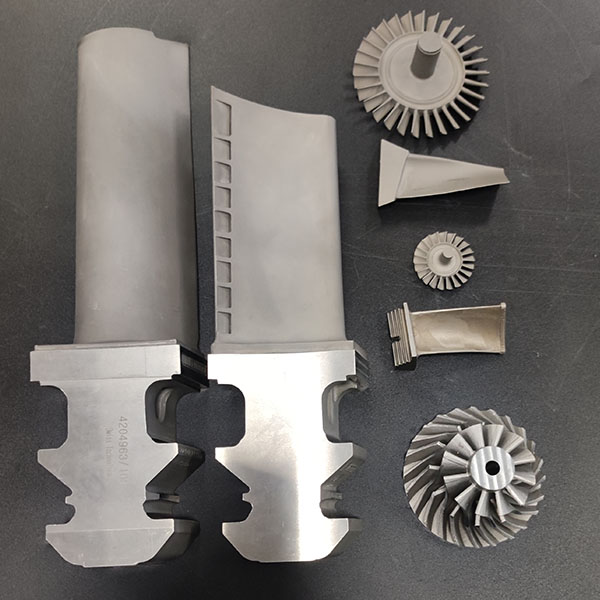
High-cycle fatigue is a major concern in manufacturing, especially for companies like OBT POWER., who create blades for various applications. This type of fatigue occurs when a material is stressed a number of times over a certain period. The stresses can weaken a material, and cause it to break, sometimes without any visible damage. Selecting the correct materials is vital for extending the blade's life and performance. The materials used for blades in demanding machines, such as wind turbines or , require unique specifications due to the stress applied during use. Failure in these blades leads to costly downtime, hence why materials choice is so critical
To make appropriate choices of materials for the blades, knowledge of high-cycle fatigue is necessary
Blades are subjected to demanding environments through repeated bending and twisting, which overtime, create small cracks which continue to grow, resulting in a component failure. This necessitates a rigorous material selection process carried out by engineers and manufacturers, as traditional materials were unable to withstand repeated stressing of the blades. Steel blades are initially strong and resist wear for only a number of cycles, whereas specialized materials like titanium, and advanced composites last for considerably longer by resisting the effects of high-cycle fatigue. By using these materials OBT POWER. Finds that not only are their blades stronger and last longer but they also perform more efficiently, a vital factor in performance driven sectors
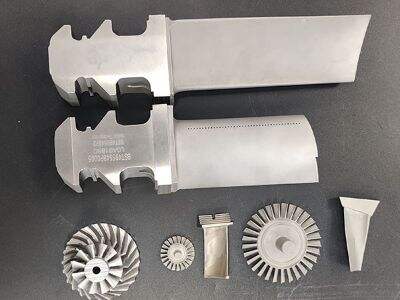
Special blade materials are beneficial in a number of different ways with relation to high-cycle fatigue
Firstly, advanced composites are designed with a higher fatigue resistance than traditional materials, resulting in them being able to withstand a greater number of stresses before reaching their limit, which in allows for reduced material usage without compromising strength, thereby reducing weight. Secondly, the use of advanced composites offer significant benefits in terms of resisting corrosion which is an important factor when the blades are used in particularly harsh environments as this greatly increases the lifespan compared to their un-corroded counterpart. Additionally materials are specifically chosen to meet the exact requirements of each specific application and therefore a material suitable for a wind turbine may not be the ideal composite for a , due to varying operational stresses. At OBT POWER. We recognize the potential benefits derived from advanced composite materials, and apply them to produce superior quality blades that outperform conventional specifications
Material choice is everything in manufacturing. High-cycle fatigue perfectly illustrates this where by using appropriate materials, products are distinguished and improved, which OBT POWER. Endeavor to achieve. Through selecting and analyzing material properties relevant to the demanding nature of high-cycle applications OBT POWER. Produces blades of outstanding durability and strength with impressive life span performance, thus enabling customers to reap the benefits of superior equipment
Common Usage Problems with Standard Materials in High-Cycle Environments
Fans and turbines are examples of common machinery utilizing blades to perform their tasks. As the blades spin at high speeds they must be durable and wear-resistant in order to survive. However, standard blade materials will not hold up under high-cycle environments; meaning an environment where blades undergo repeated cycles of stress such as being spun or vibrated. Similar to a rubber band when stretched and pulled many times, it wears out and eventually snaps, standard blade materials fail over time and develop wear or crack when subjected to a high-cycle environment. This causes the machine to experience breakdowns, as the system is affected and has the potential to cause catastrophic damage and risk personal safety. This is why materials engineered to cope with the specific stresses of high-cycle fatigue are essential. At OBT POWER we understand the unique requirements of high-cycle operation and specialize in the design and creation of materials that meet and surpass standard material limitations
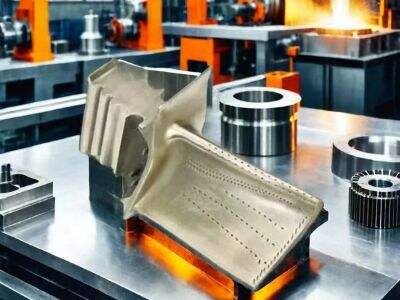
What makes a Blade Material "good" for high-cycle fatigue
To withstand prolonged stress experienced during high-cycle fatigue, blades are designed from materials that excel in specific areas. To begin with, strength of materials is obviously vital to ensure that no permanent deformation occurs under load. Second, is the ductility of a material; this can be seen like a young tree branch in the wind that bends and does not snap unlike a dry twig that simply breaks. This is important as it will absorb impact better. Then there is the wear resistance, as previously discussed not all materials will wear away at the same rate; it is the use of highly durable materials at OBT POWER. Combined with the materials strength and ductility that produces the highest quality products. Finally weight must be considered as the heavier the blades the more strain is put on the machine and the greater energy is consumed in operation. Therefore it is the balancing of strength and light weight of materials that is key
The Impact of High-Cycle Fatigue on Blade Life and Trust
The life and reliability of a blade are affected significantly by high-cycle fatigue. A high-cycle environment causes tiny fractures to propagate and develop on the surface of the material; this has been explained as similar to a small crack in glass that spreads if left unattended. Failures resulting from these fatigue fractures can be unexpected, and very dangerous if the application has safety implications such as in the use of parts or industrial machinery as this can damage the entire unit and could lead to loss of life. By using materials designed to withstand high-cycle fatigue, this possibility can be vastly reduced by prolonging the effective working life of the blades, thus increasing reliability and safety. At OBT POWER. It is our understanding and application of these factors that results in extremely strong and reliable blades which guarantee long operational life
Table of Contents
- To make appropriate choices of materials for the blades, knowledge of high-cycle fatigue is necessary
- Special blade materials are beneficial in a number of different ways with relation to high-cycle fatigue
- Common Usage Problems with Standard Materials in High-Cycle Environments
- What makes a Blade Material "good" for high-cycle fatigue
- The Impact of High-Cycle Fatigue on Blade Life and Trust