 EN
EN
 AR
AR
 BG
BG
 HR
HR
 CS
CS
 DA
DA
 NL
NL
 FI
FI
 FR
FR
 DE
DE
 EL
EL
 HI
HI
 IT
IT
 JA
JA
 KO
KO
 NO
NO
 PL
PL
 PT
PT
 RO
RO
 RU
RU
 ES
ES
 SV
SV
 TL
TL
 IW
IW
 LV
LV
 LT
LT
 SR
SR
 SK
SK
 SL
SL
 UK
UK
 VI
VI
 ET
ET
 HU
HU
 TH
TH
 TR
TR
 AF
AF
 MS
MS
 GA
GA
 IS
IS
 LA
LA

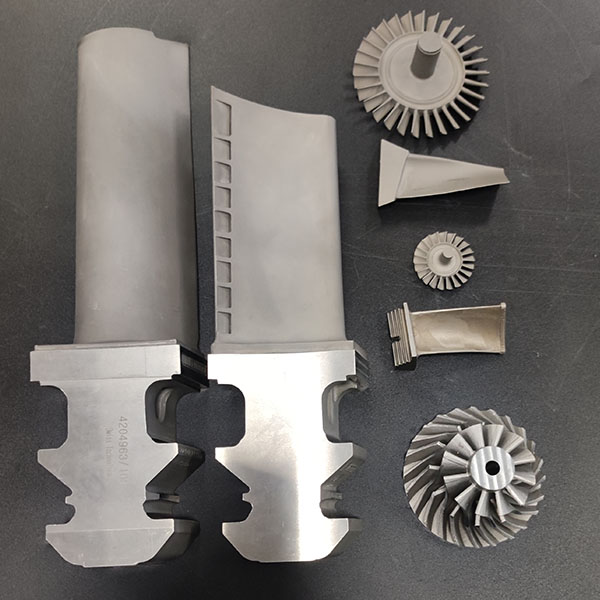
In the manufacturing world, finding the right blade material is key. High-temperature blades are basically classified into air-cooled blades and film-cooled blades. Both have their pros and cons. Air-cooled blades cool down via air; film-cooled blades are shielded from heat by a thin layer of air. Both offer their own merits, but recognizing their differences allows to make a better choice suited for you. OBT POWER is here to help you wrap your head around these technologies and their trade-offs.
Why Air-Cooled Blades Are Better than Film-Cooled Ones under Superalloy Nozzles
Air-cooled blades can be more efficient in extremely hot conditions. They can operate at higher temperatures without failing. When temperatures rise high enough, film-cooled blades may not work as well when because they rely on that tiny air layer to shield them. If the air doesn’t pass just right, the blade can get too hot and snap. Air-cooled blade, by contrast, have a direct path to cool off. They can, for instance, use the air in their surroundings to stay cool despite intense heat. That makes them more reliable in situations where every second matters, as with or power plants.
Air-cooled blades are also easier to fabricate. They have fewer components in their design. That’s because they can be made more quickly and cheaply. For companies such as OBT POWER, all this work really pays off, as it helps us to provide the highest quality products for our customers without a lot of unnecessary waiting for things to dry. For film-cooled blades, it can be particularly complicated because they must get the film of air just right. Too much, or too little, can be problematic.
Another factor to prove worthy of consideration is maintenance. Air-cooled blades tend to be easier to inspect and maintain. With there’s something wrong, it’s more visible and easier to correct it. Beyond all this, with film-cooled blades, problems may be shielded behind the cooling film and are consequently harder to diagnose. This discrepancy can make a big difference in lifetime costs and reliability. In industries where safety is paramount, such as , air-cooled blades may be preferable. They provide engineers a peace of mind, and assure them that they can have confidence their equipment will work under pressure.
Where To Get The Best Deals on Air-Cooled and Film-Cooled Blade Technologies
It doesn’t have to be hard to find the best air-cooled and film-cooled blades. The key is knowing where to look. OBT POWER is a well known trusted name in the market place and we are proud of the fact that our products are high quality at very competitive prices. Start by researching online. A number of manufacturers have websites with lists of products and prices. It’s a nice way to compare multiple options and see which is best for your needs. Look for customer reviews too. It can provide you with some real insight into how the blades actually perform in varying conditions.
Make sure to look out for special promotions and deals. Occasionally, manufacturers (such as OBT POWER) will run seasonal sales or special offers and you can also make use of those to save some money. Registering for newsletters is one way of staying in the loop about such deals. She also suggests attending industry trade shows, which can also offer good deals. You can meet the manufacturers of equipment face to face, ask questions and get to see the products up close. It can enable you to make better decisions founded on personal experience.
Connecting with other professionals in the industry can also pay dividends. They may know the best deals or have personal experience to guide you. You can meet good connections through industry related forums or groups. Just keep in mind that the cheapest isn’t always the best. It is important to look at the quality and dependability of the blades. It may be that a higher price pays off in better performance and products with more endurance, meaning you would actually save money over time.
You can make some educated decisions by grasping the distinction between air-cooled and film-cooled blades. With OBT POWER you will be able to discover the appropriate technology that fits your budget and needs.
Selection Between Air-Cooled And Film-Cooled Blades For Maximum Performance
When choosing between air-cooled and film-cooled blades, you need to ask yourself. What are you trying to accomplish? The two types of blades both have their pros and cons. Air-cooled gas turbine blade get some of this air. They also are typically lighter and more straightforward to operate in many machines. If ease of maintenance and cost savings are what you’re looking for, air-cooled blades may be the answer. On the other hand, if you are operating under high-blade-temperature conditions, you might want film-cooled blades. To protect these blades from the heat, the blades rely upon a thin layer of special air known as a film. This can help them last longer, and work better in harsh conditions.
When making a decision between these two, consider where and how you intend to use the blades. Film-cooled blades might be better if you need high performance in hot conditions. But if you're after something that's cheaper and a little more manageable, air-cooled blades might be the way to go. At OBT POWER we strive to assist you in getting the product. Discuss the details of your particular scenario with our staff, and they will be able to determine which type of blade will provide you with the most effective performance.
Air-Cooled vs Film-Cooled Blades Explained
Engines use both air-cooled and film-cooled blades, but they work in different ways. Air-cooled blades are a type of blade which is constructed to allow air to flow over it to cool the blade. This effect of the airflow aids heat evacuation, an essential process for an engine’s health. Air-cooled blades are uncomplicated in design and therefore less expensive to manufacture and maintain. They are commonly used in small engines and other such machines, where weight and expense are critical.
Film-cooled blades are, in contrast, more complicated. Napkins are made with features that enable air to circulate around them a thin breeze shall we say? This layer is a kind of heat shield. Film-cooled blades are a common feature in hotter-running engines, for example those used in jets or large turbines, with temperatures that can soar very high. This added protection keeps these blades lasting longer even in the most demanding conditions. But they can be pricier and more challenging to fix. Here at OBT POWER, we get two different types of blades and can help you make the right decision.
How do the Performances of Air-Cooled and Film-Cooled Blades Compare?
It’s when you compare air-cooled blades and film-cooled blades that their performance trade-offs come into sharp relief. That’s a big plus, and air-cooled blades are often the lighter and less expensive choice. They are useful in many situations, but don’t necessarily do as well in extreme heat. That means it will wear out more quickly if used in very hot places. They are well suited for everyday use and can be found in smaller engines, but they may not be optimal for high-performance applications.
Film-cooled blades are more expensive, but provide more thermal protection. This may enable them to last longer in high-stress environments, such as those inside or power plants. Even when the heat is high, they can work fine. But their complexity also makes them more difficult to repair if something falls apart. At OBT POWER we understand a continued selection of the correct blade is critical in keeping your engines running. We can help you navigate these trade-offs so that you can decide what’s best for your particular circumstances. Our focus, regardless if you select air-cooled or film-cooled, is to deliver the optimal performance and life options available.
Table of Contents
- Why Air-Cooled Blades Are Better than Film-Cooled Ones under Superalloy Nozzles
- Where To Get The Best Deals on Air-Cooled and Film-Cooled Blade Technologies
- Selection Between Air-Cooled And Film-Cooled Blades For Maximum Performance
- Air-Cooled vs Film-Cooled Blades Explained
- How do the Performances of Air-Cooled and Film-Cooled Blades Compare?