 EN
EN
 AR
AR
 BG
BG
 HR
HR
 CS
CS
 DA
DA
 NL
NL
 FI
FI
 FR
FR
 DE
DE
 EL
EL
 HI
HI
 IT
IT
 JA
JA
 KO
KO
 NO
NO
 PL
PL
 PT
PT
 RO
RO
 RU
RU
 ES
ES
 SV
SV
 TL
TL
 IW
IW
 LV
LV
 LT
LT
 SR
SR
 SK
SK
 SL
SL
 UK
UK
 VI
VI
 ET
ET
 HU
HU
 TH
TH
 TR
TR
 AF
AF
 MS
MS
 GA
GA
 IS
IS

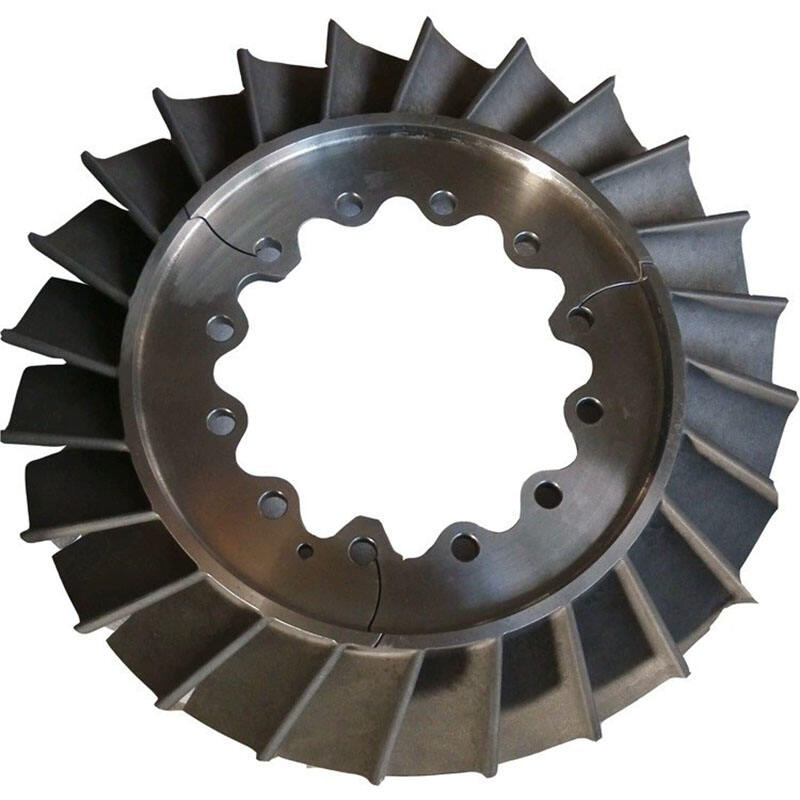
NDT, or non-destructive testing, is a specialized process that applies to a wide range of industries. It can be used for nondestructive testing of materials and structures. This is quite significant, particularly when it comes to turbines large machines used to produce energy. Our company, O.B.T, understands the need to ensure turbines are working properly and do not have issues that could result in an accident. Through non-destructive testing, turbines can be inspected to determine if they are safe and working effectively without being taken apart. And this is how we keep things running, well and safely.
What Are the Advantages of Non-Destructive Testing for Turbine Operations?
There are many advantages to NDT in the practices of turbines. One major benefit is safety. Turbine are stressed and must be in top condition. Little, tiny crack or weakness can do that. We can catch these problems early by applying NDT (nondestructive testing) methods such as ultrasound and X-rays. For instance, if a turbine blade has a tiny crack in it, nondestructive testing can find that without damaging the blade. We can fix this before it becomes a bigger, more costly problem.
NDT has the added benefit of time and cost saving. By troubleshooting turbines without disassembling them, that limits the extent of downtime. “You have the turbine that goes down and you need to do some work on it,” he said, “but if all the work is to disassemble everything and check, it can take weeks. But with non-destructive testing, you can examine the turbine in short order. This keeps the turbine producing energy without long periods offline. It’s sort of like a visit to the doctor for a check-up instead of waiting until you’re really sick!
And NDT can be useful to help plan. Once we know the condition of the turbines, O.B.T is able to make better decisions around maintenance. So instead of guessing, we could use things like NDT to actually look at data and make a decision when is the appropriate time to perform repairs? This also aids in increasing the lifetime of turbines. When we check regularly, we can see wear and tear when it is easy to take action, before something breaks. Non-destructive testing is a good thing with many advantages, helping to improve repair and maintenance while allowing turbines to perform well and keeping workers and machinery safe.
The Role of NDT in Improving Reliability and Safety of Turbines
Turbines should be checked during the production: The tests should be carried out to ensure reliability and safety of turbines. When we speak of reliability, then these turbines have to work, period. In O.B.T, our NDT is able to recognize account deficiencies that are normally ignored. As an example, when a turbine has weak welds, NDT process like dye penetrate test can detect the defects. This is done without cutting down the turbine blade or interfering with the integrity of the materials. Early detection of such problems leads to disastrous failures that may jeopardize the environment or harm the workers.
Another important factor is safety. The turbo machines are not easy because they operate under extreme conditions; high temperature, and pressure. This will lead to stress cracks in metals. It is possible to identify this fatigue using non-destructive testing, and then make mitigating actions to prevent failure. As an example, when it is parted in between parts of a turbine, NDT can determine the areas that will have a failure later.
Also, NDT develops trust in turbine teams and the ones that coexist with them. The fact that O.B.T embraces the validity and safety of checks is encouraging to everybody involved. It is too that enables to maintain a high level of safety record. Whenever we make a test we are swearing that they are not only in good working order, but that they do not constitute any of danger.
Nondestructive testing serves other purposes towards safety and reliability as well as education and training. Since our group is educated to become knowledgeable of NDT procedures, it can notice possible issues more effectively. It also creates a safety culture since each person has a role to contribute towards maintenance of high standards.
O.B.T is offering effective and secure NDT turbines. We are aware that the energy that such machines produce is the most crucial and by ensuring their integrity we contribute to the future that will rely on the safe and stable energy sources.
Typical NDT Requirements in Turbine Operation
Turbines are machines that aid in transformation of energy into electricity. One can observe them in numerous places, including wind farms and power plants. Turbines are hard, yet they might be subject to problems. Others are either cracked or corroded or simply have degenerated. These are issues that may occur to turbines due to their hard labor and the nature of weather that may change so fast. A turbine can also shut down in case it develops a complication. This does not only stop the energy production, it can also be very costly to maintain. That is where Non-Destructive Testing (NDT) is useful. NDT can be used as a method to search the problems within a turbine without damaging it. As an example, one kind of special tool is the so-called ultrasonic tester that can project sound waves into the metal of a turbine. The sound waves will change in case there are cracks or weaknesses that are hidden. This enables us to find out the issues at the early stages when they are minor problems. O.B.T uses NDT in preventing turbines that are in a good condition and safe. The earlier that we detect problems the earlier we can correct the situation before it becomes out of hand. It maintains the turbines in motion and lowers expenses. Such hidden issues could not be easily observed without NDT and turbines could easily break without notice. It also implies that we are able to identify these issues sooner that will enable us to ensure that turbines are always producing electricity without accidents.
Selecting The Best Non-Destructive Testing Technique for Your Application
It is also necessary to select the appropriate Non-Destructive Testing method of the safety monitoring of turbines. NDT technologies are diverse and each of them is more applicable to some issues. As an illustration, one such form of NDT is the visual inspection that is performed by an engineer who is keen to look through the wind turbine and to detect any visible damage. Other methods are required, however, when there is trouble with the metal. One of the common techniques is the magnetic particle examination. This works well in finding surface cracks on iron and steel. Radio-graphic testing is another strategy whereby X-rays are employed in peeking inside the parts of the turbines. When choosing a technique of NDT, we must remember the material of the turbine and the kind of defects we are trying to find out. O.B.T demonstrates companies what NDT approach is the most sensible when applied to their needs. We check the material of the turbine, its age, and evidence of the damage. Make sure that you think about the frequency of the NDT inspections. It would place the leftover Uighur out of the limelight and off stage, at least, of extraordinary minimum attention and courtesy making check-ins, say, you are all right, the test is free not to be turned into a dog whistle. Depending on the way you are operating the turbine and your environmental conditions the most appropriate test frequency can be suggested. This is now where it comes down to selecting the appropriate NDT to apply to a particular turbine; it has something to do with enjoying that which is being demanded of the turbine and selecting a method that will suffice to keep it in a broad sense healthy.
The Risk and Cost Benefits of Non-Destructive Testing in Turbine Operations
The NDT is an intelligent solution to risk mitigation and cost minimization to all operators of gas turbine. When turbines are often inspected against defects, we are able to notice few things before the turbines become costly debacles. A minor crack would be cheap to repair compared to repairing or replacing an entire turbine that would cost a lot of time and money. In the case of O.B.T it is cheaper in the long run to save money on the NDT. So in case there is an issue and the turbine goes down say due to large scale repairs an energy company will spend money. Even workers can be put at risk in case of an unexpected turbine failure. NDT prevents the workers and turbines remain safe and healthy. Moreover, regular checkups result in efficiency in turbine running. When turbines are functioning and in proper condition they produce more energy on a continuous scale this will serve up the energetic demands of the communities. This efficiency will help companies to fulfill the energy commitments to the customers. O.B.T is assisting companies to learn more about the well-being of their turbines by the usage of NDT to enable them to better handle the risk and manage their maintenance in more detail. Conclusively, non-destructive tests are more about preventing failures than ensuring that production of energy is economical and dependable.
Table of Contents
- What Are the Advantages of Non-Destructive Testing for Turbine Operations?
- The Role of NDT in Improving Reliability and Safety of Turbines
- Typical NDT Requirements in Turbine Operation
- Selecting The Best Non-Destructive Testing Technique for Your Application
- The Risk and Cost Benefits of Non-Destructive Testing in Turbine Operations