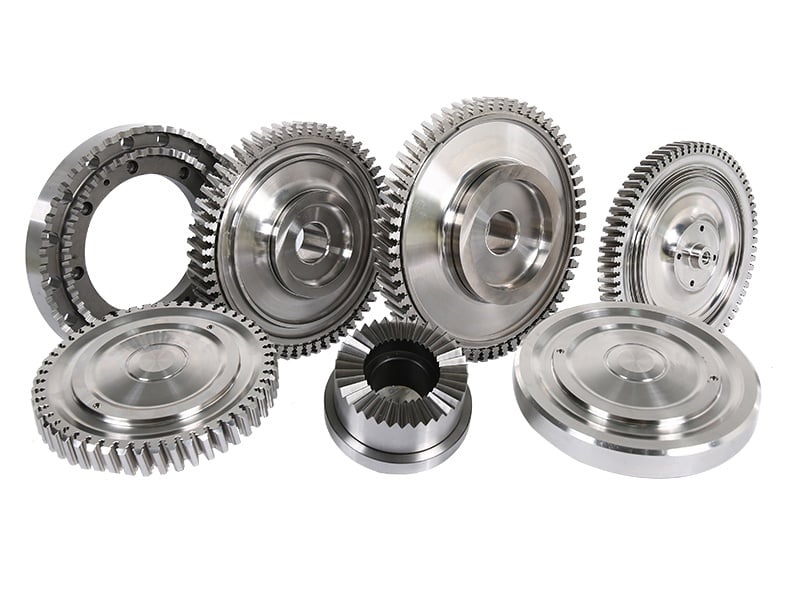
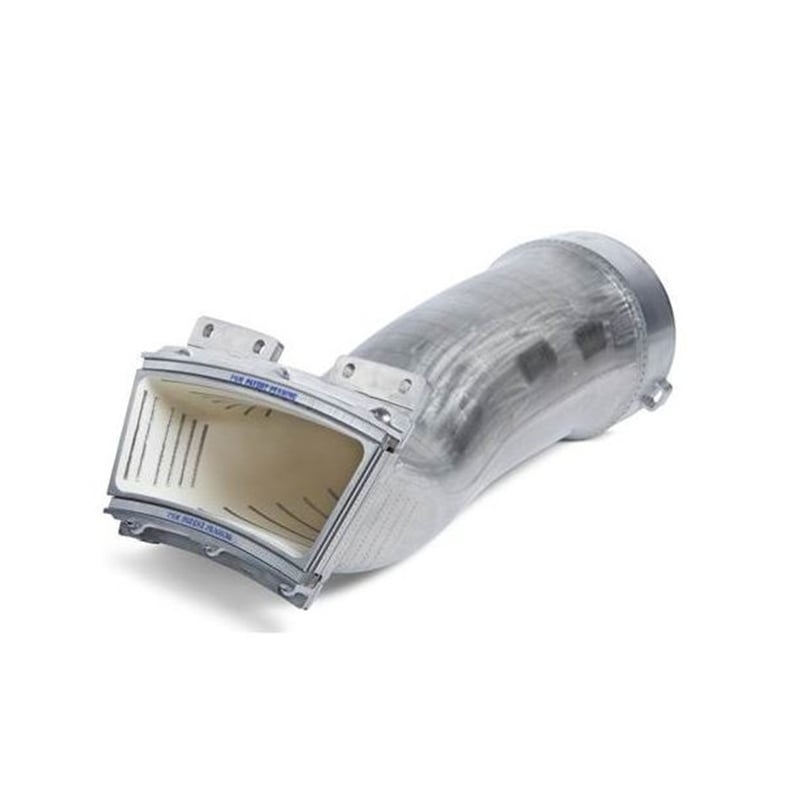
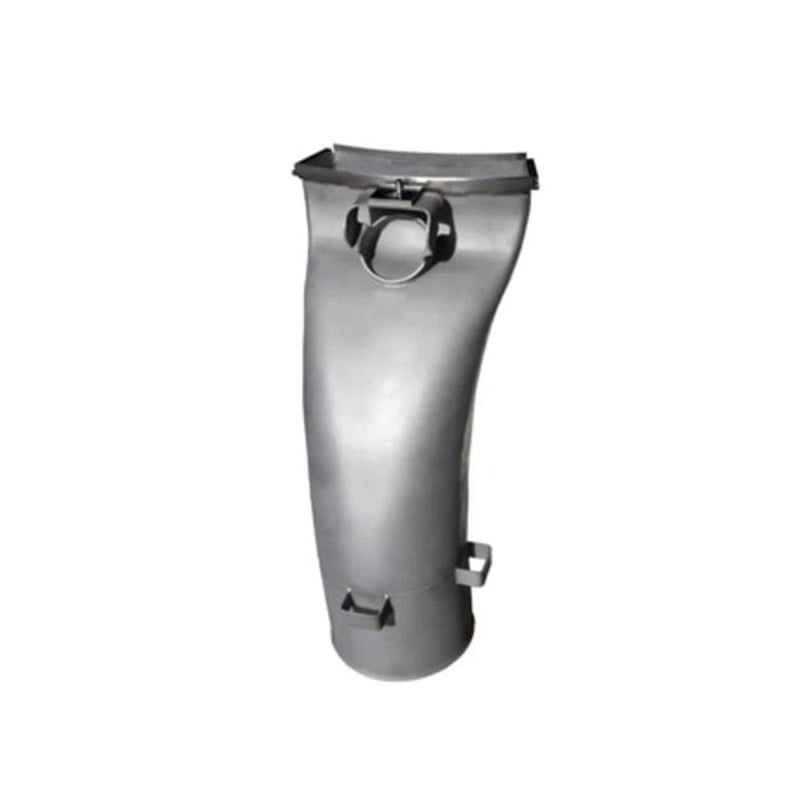
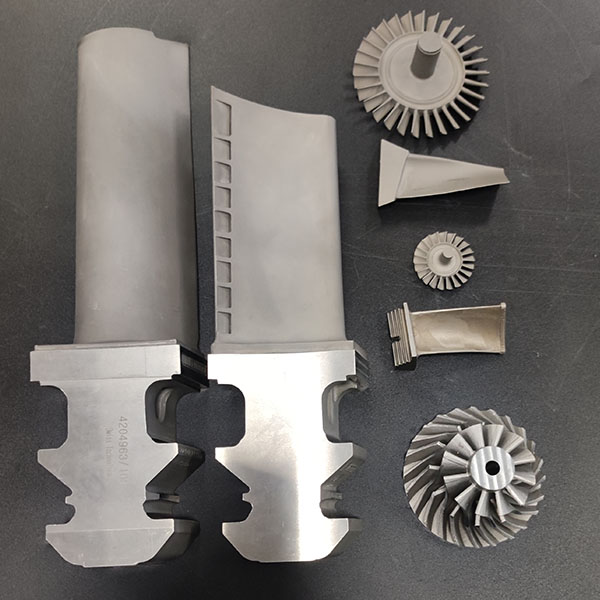
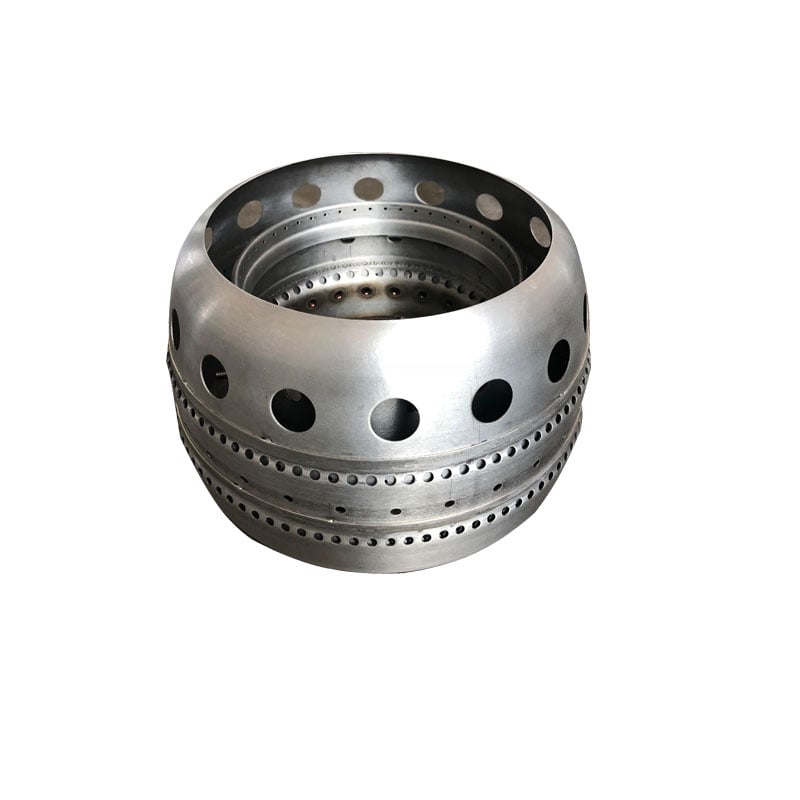
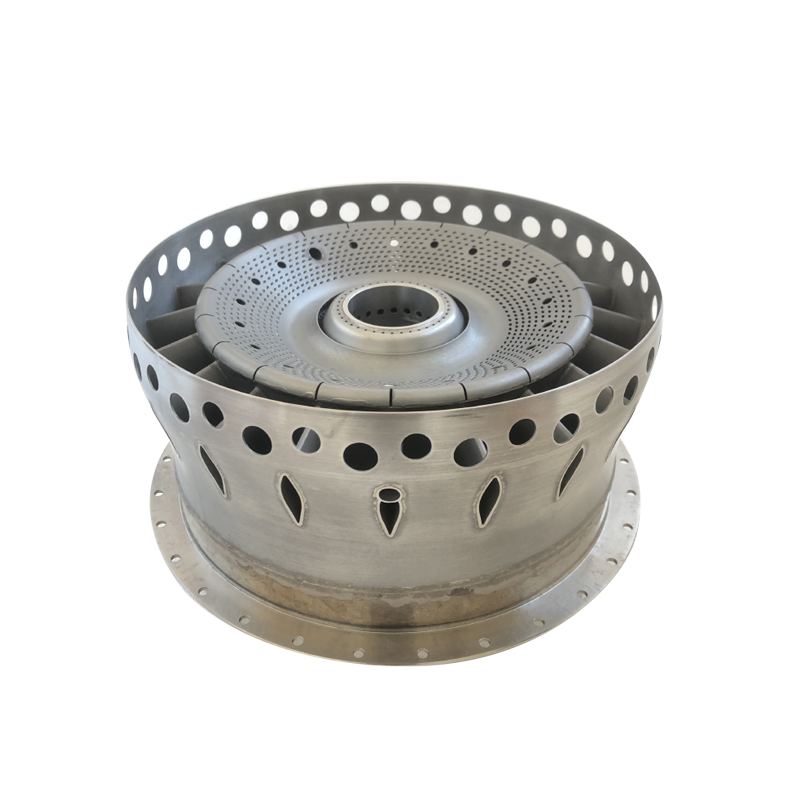
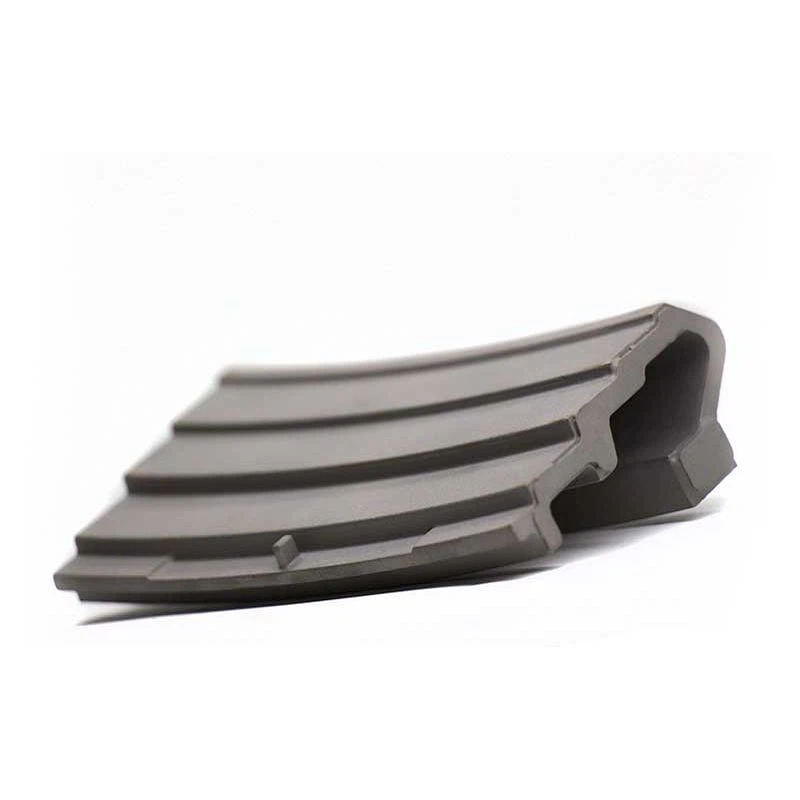
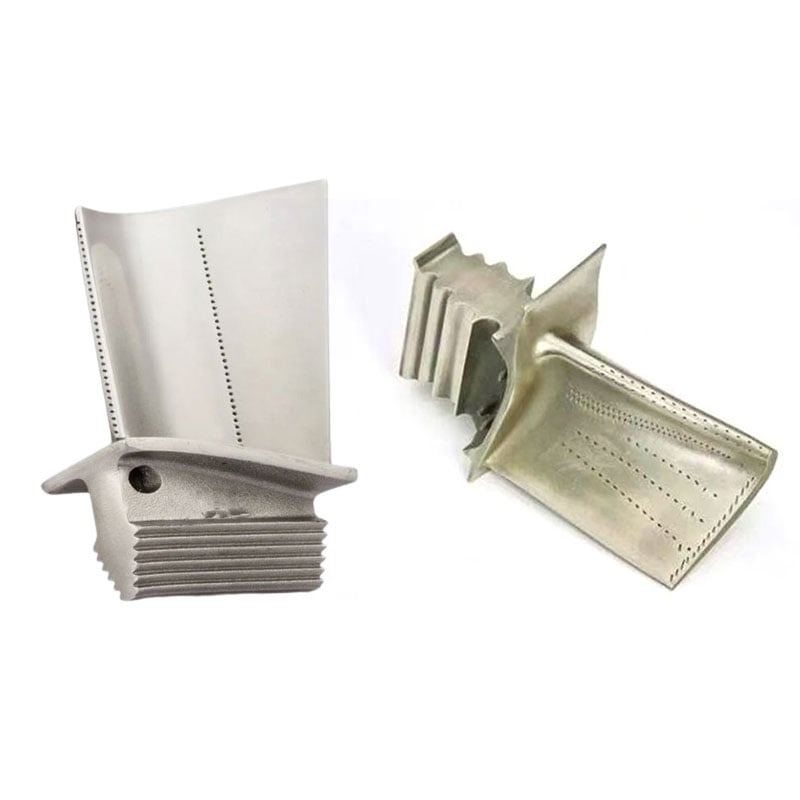
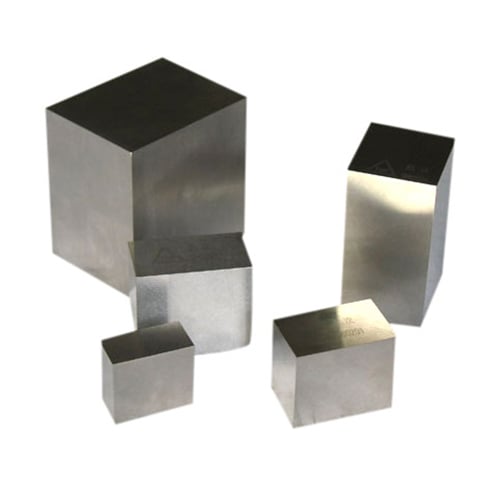
See on osa protsessist, kuidas teostatakse Jet mootori lehed. Seega kasutavad insenerid arvutit ja tarkvara selle lehe kujundamiseks koodi abil. See võimaldab neil luua erinevaid kujundusi, mis sobivad mootoritega. Kui see on tehtud, tehakse lehest esialgne mudel 3D printeri abil. See väiksem versioon on kasulik proovimiseks, kas kujundus töötab, enne kui tegelikult ehitada lehti.
Pärast osa disainimist ja lõplikku kinnitamist on aeg minna tootlusele tegelikutest jetimootorite ratasvihust. Täiuslik liik tugevast terast, nagu tiitaanmaterjal: Insenerid valivad kasutamiseks kõrgejõulise metalli, mis ühendab kehvusega kaheksus. See võimaldab ratastele olla piisavalt tugevad, et neid saaks vastu pidada lenduskoormusi, samal ajal jäädes kehvusteks, mis lubavad mootorite efektiivset töötamist. Sealt täpsustab masinariik seda metalli konkreetseks disainiks, mida insenerid plaanisinud. Lõpuks kontrollib igaüht ratta täppide vaatamata ekspertrühm, et veenduda, et puudub vigad või defektid.
Lennukijahetormi lattad peavad olema äärmiselt tugevad ning ka erilise kõrgusuhkurite vastu takistlikud. Seepärast antakse lattele erilised katestused, et vältida ausenemist – ja insenerid peavad tegema korduvalt mõõtmisi (jälle pildistamine) kogu aasta jooksul. Nad kasutavad ka eksotilisi materiale nagu keramikumaahtsüsteeme, mis on äärmiselt tugevad ja suudavad kannatada eriti kõrgeid temperatuure võrreldes enamiku metallidega.
Lennukimootorite veerete tootmise protsess on aastate jooksul oluliselt parandunud. Üks suurimaid muutusi on uue tehnoloogia kasutamine, mis selle masina abil töötab. See võimaldab inseneritel arendada mootorid keerukamate ja detailsete disainidega, mis pakuvad paremat jõudlust kui kunagi varem. Viimane märkus: veeret läheb nüüd laseri poolt (Nideci kohaselt), mis on täpsem ja kiirem meetod veerete lõigamiseks kui traditsioonilised meetodid.
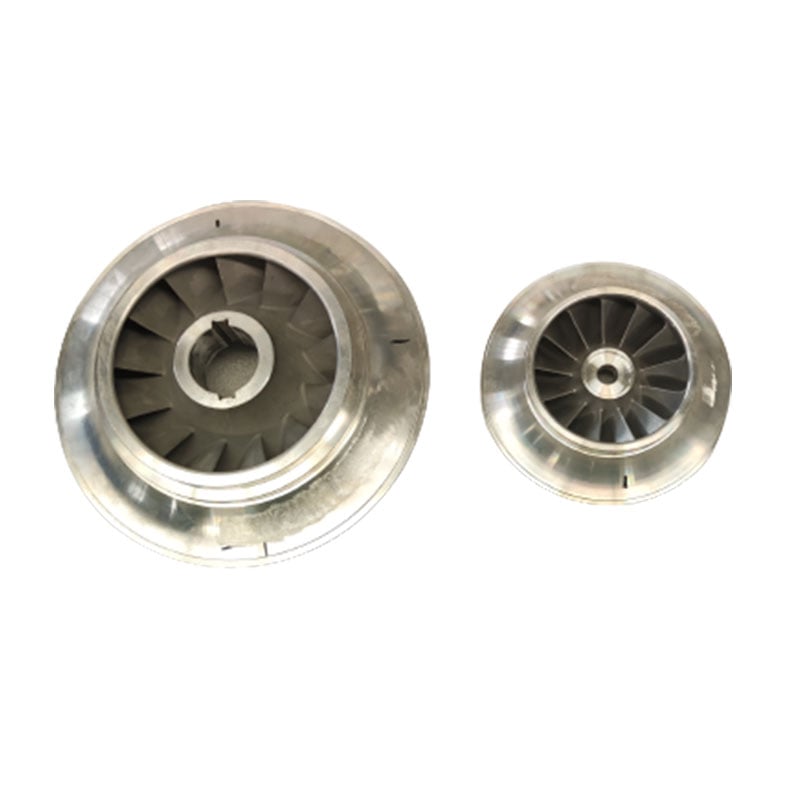
Et toota ja kontrollida, et iga veerg oleks õigesti valmistatud, kasutavad insenerite meeskonnad väga sofistikeeritud masinasid. Laserseansid kontrollivad veerge äärmiselt täpselt ja märgivad laseriga igat neist osa, mis erineb kuni ühe sada tuumameetrini. Nad teevad ka röntgeni ja mitmeid teisi spetsialsete testide, millest eelnevalt mainiti, mis võimaldab neil kontrollida, kas veeret on head tervishoius või kas neil on vigu/nuoli.
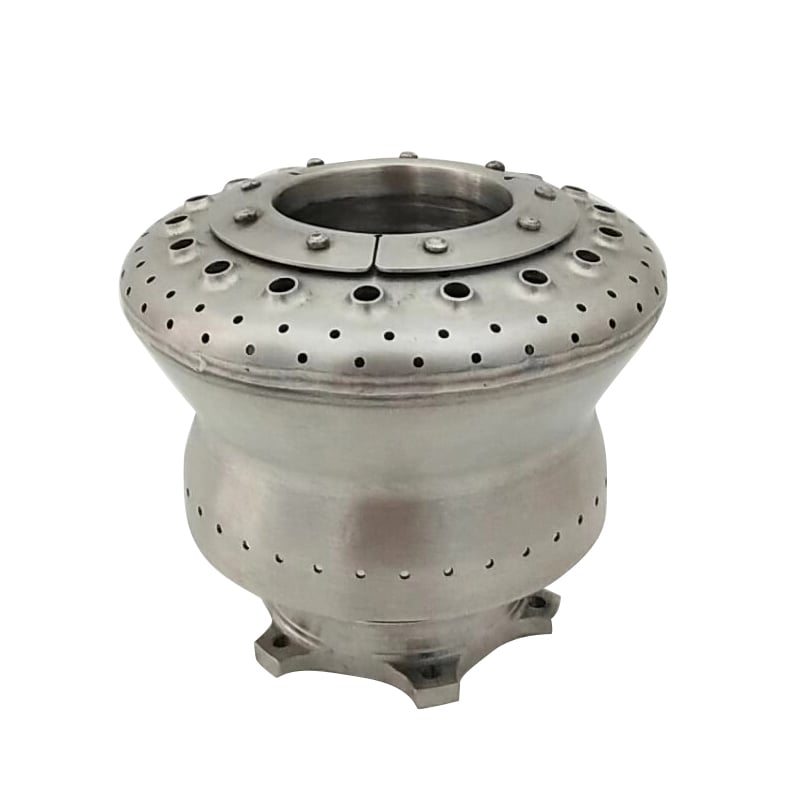
Lennukimootorite ratasid arendavad insenerid pidevalt edasi. See hõlmab asju nagu tihedamate materjalide (näiteks süsinikveefibrikomposiitide) kasutamist, et uurida, mis toimub. Need materjalid on veel tugevamad ja kergekmad kui tänapäevased metallid, mis lubavad parandada jõudlust.
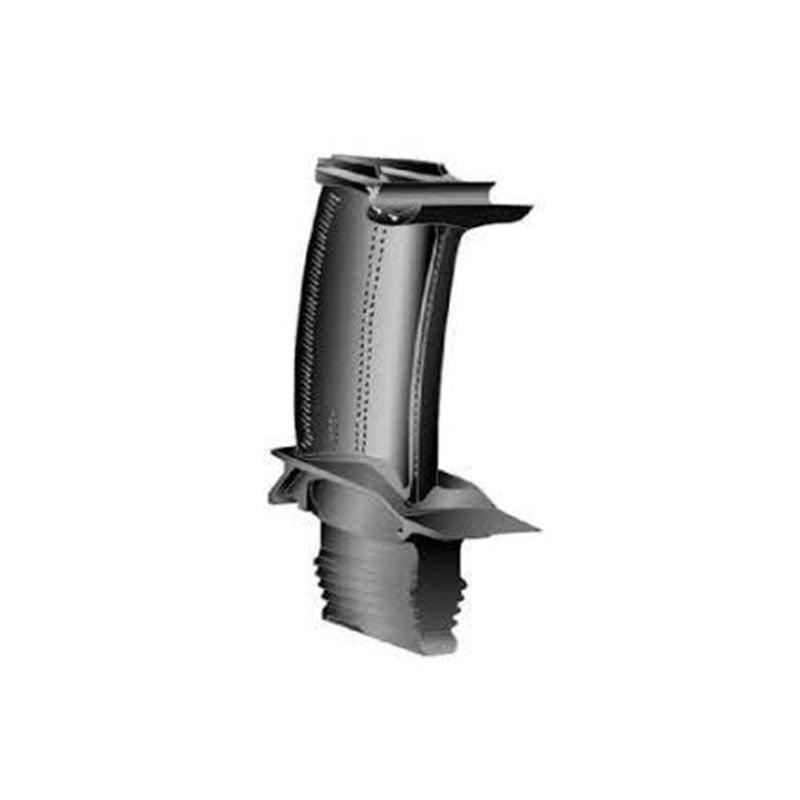
Ettevõte uurib ka uusi tootmismeetodeid, mis võivad kiirendada ratsade loomist ja võivad suurendada nende täpsust koos inseneritega. Tegelikult kasutavad mõned roboti ratsade tootmise abina. Robotid vähendavad inimvigastusi, mistõttu paranb protsessi terviklik efektiivsus.
Meie ettevõte pakub spetsiifilisi teenuseid, mis võimaldab toota turbiiniosi erinevatest kõrgtemperatuursetest sulamitest, et rahuldada klientide nõudmisi. Meie paindlik tootmisvoog, ülemaailmselt tippklassi protsessitehnoloogia ning võime täita erikriteeriume, näiteks suurust ja kuju ning toimivust, võimaldab meil rahuldada iga nõuet. Meie hooldame pidevat suhtlust oma klientidega, et täielikult mõista nende konkreetseid vajadusi ja rakendusstsenaariume ning pakkuda neile eksperttehnilist juhendamist ja lahendusi. Meil on lai valik töötlemismeetodeid ja materjale, mis võimaldab täita lennukite reaktiivmootorite labade tootmise erinevates sektorites ja rakendustes. Kliendispetsiifiliste teenuste kaudu aitame meie klientidel optimeerida nende toodete toimivust ja maksumust ning parandada nende turukonkurentsivõimet.
Meie klienditoetus on üldiselt põhjalik ja hõlmab tehnilist abi, reaktiivmootorite tiiveldite tootmist ning pärast müüki osutatavat abi, et tagada meie klientidele parim võimalik kasutuskogemus. Meie ekspertide meeskond hindab kliendi nõudeid ja pakub sobivaid tootelahendusi ning soovitusi. Me pakume tehnilist tuge kogu protsessi vältel – alates toodete valikust kuni paigaldamiseni ja seadistamiseni. See tagab, et meie kliendid saavad meie tooteid ilma probleemideta kasutada. Oleme loonud pärast müüki osutatava teenuse, mis võimaldab meil kiiresti reageerida klientide päringutele ja probleemidele ning pakkuda tõhusaid ja ajalisi lahendusi. Meie eesmärk on luua pikaajalised suhted meie klientidega ning saavutada nende usaldus ja rahulolu kvaliteetse klienditeenindusega.
Meie ettevõte on pühendunud rangele kvaliteedikontrolli standarditele, et tagada iga komponendi parim toimivus ja usaldusväärsus. Kogu tootmisprotsessi kvaliteeti kontrollitakse alates toorainete ostust kuni lõpliku toote testimiseni. Lisaks viime me läbi regulaarseid kvaliteedikontrolli audituid ning kohandusi, et tagada toote kvaliteedi pidev paranevus. Meie eesmärk on omandada klientide usaldus ja jätkata koostööd neile kvaliteetsete toodetega ning saada jetmootori labadete tootjaks.
Meie ettevõttel on võimalik toota väga täpseid ja ühtlasi kõrgelt kvaliteedikindlaid turbiinikomponente, kasutades valamist, kuumkõlbustamist ja CNC-tehnoloogiat lennukimootorite labadete tootmiseks. Valamisprotsess võimaldab meil toota keerukaid kujundeid ning kõrge tugevusega detaili, samas kui kuumkõlbustamisprotsess tagab detailidele paremad mehaanilised omadused ja pikema eluea. CNC-masinatega töötlemine tagab vastupidi igale komponendile erakordselt kõrge täpsus- ja ühtlusnivoo, vähendades seega vigade ja alakvaliteediliste toodete tekke ohtu. Meie kogenud tehniline meeskond püüab pidevalt parandada tehnoloogilist innovatsiooni ja protsessiparandusi, et tagada meie toodete juhtiv positsioon tööstuses tehnoloogiliselt arenenud toodetena. Meie pühendumus on pideva tehnoloogilise arenguga tagada klientidele kõrgtehnoloogilised ja suurt jõudlust pakkuvad turbiinikomponendid.
 EN
EN
 AR
AR
 BG
BG
 HR
HR
 CS
CS
 DA
DA
 NL
NL
 FI
FI
 FR
FR
 DE
DE
 EL
EL
 HI
HI
 IT
IT
 JA
JA
 KO
KO
 NO
NO
 PL
PL
 PT
PT
 RO
RO
 RU
RU
 ES
ES
 SV
SV
 TL
TL
 IW
IW
 LV
LV
 LT
LT
 SR
SR
 SK
SK
 SL
SL
 UK
UK
 VI
VI
 ET
ET
 HU
HU
 TH
TH
 TR
TR
 AF
AF
 MS
MS
 GA
GA
 IS
IS
 LA
LA