 EN
EN
 AR
AR
 BG
BG HR
HR
 CS
CS
 DA
DA
 NL
NL
 FI
FI FR
FR
 DE
DE EL
EL
 HI
HI
 IT
IT JA
JA
 KO
KO
 NO
NO PL
PL PT
PT RO
RO
 RU
RU
 ES
ES
 SV
SV
 TL
TL
 IW
IW
 LV
LV
 LT
LT
 SR
SR
 SK
SK
 SL
SL
 UK
UK VI
VI
 ET
ET
 HU
HU
 TH
TH
 TR
TR
 AF
AF
 MS
MS
 GA
GA
 IS
IS
 LA
LA
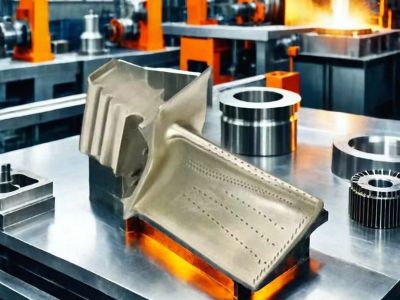
Ang mga palikpik ng turbina ay napakahalagang bahagi ng mga makina na gumagawa ng enerhiya, tulad ng mga planta ng kuryente. Ang pagpili ng tamang materyales para sa mga palikpik na ito ay napakalaki ang kahalagahan dahil pangalawang yugtong turbine blade kailangang gumawa ng mahirap na trabaho. Nakakaranas sila ng maraming stress, lalo na kapag umaikot nang mabilis. Sa OBT POWER, alam namin na ang pagpipili ng tamang materyales ay hindi lamang tungkol sa lakas; ito ay tungkol sa pagtiyak na mas matatagal ang buhay ng mga palikpik at ligtas ang operasyon. Kasama sa pagpili ng materyales ang pagsasaalang-alang sa dami ng stress na kakayanin ng mga palikpik at sa kapaligiran kung saan sila ilalagay. Kaya naman, maingat na iniisip ng aming koponan ang bawat desisyon na ginagawa namin.
Ano-ano ang Dapat Isaalang-alang sa Pagpili ng Materyales para sa Mataas na Bilang ng Siklo ng Stress sa mga Palikpik ng Turbina?
Kapag sinusuri ang mga materyales para sa mga palikpik ng turbina, tinitingnan namin ang ilang mahahalagang bagay. Una, kailangan ng lakas. Dapat sapat ang katibayan ng materyales upang harapin ang mga puwersa habang umiikot. Halimbawa, ang mga alloy ng titanium ay karaniwang pinipili dahil malakas at magaan ang mga ito, na nagpapahintulot sa mga palikpik na umikot nang mabilis nang walang kabiguan. Pangalawa, kasali ang pagtutol sa pagkapagod. Ibig sabihin nito ay ang kakayahan ng materyales na tumagal sa maraming siklo ng stress nang hindi nabubuo ang mga pukyawan. Tulad ng paulit-ulit na pagbend sa paperclip; sa huli ay nababasag ito. Ganoon din ang mga palikpik ng turbina. Kaya naman, mainam ang mga superalloy na may nikel dahil epektibo ang kanilang pagtutol sa pagkapagod.
Bukod dito, ang temperatura ay isa pang malaking salik. Ang mga palikpik ng turbina ay maaaring mainit nang husto, lalo na sa mga planta ng kuryente. Kaya kailangan natin ng mga materyales na tumatagal ng mataas na init nang hindi nawawala ang kanilang lakas. Halimbawa, ginagamit minsan ang mga seramika sa mga palikpik dahil kayang tiisin ang labis na temperatura. Panghuli, mahalaga rin ang paglaban sa korosyon. Maaaring harapin ng mga palikpik ang mga mapait na kemikal o maalat na hangin, na pumipinsala sa kanila sa paglipas ng panahon. Ang pagpili ng mga materyales na lumalaban sa korosyon ay tumutulong upang lumaba ang buhay ng mga palikpik. Sa OBT POWER, isinasaalang-alang namin ang lahat ng mga ito upang siguraduhing ligtas, epektibo, at maaasahan ang aming mga palikpik ng turbina.
Saan makakakuha ng Pinakamahusay na Materyales para sa Mataas na Stress na Turbina Blades?
Ang paghahanap ng pinakamahusay na materyales para sa mga palikpik ng turbina na nasa mataas na stress ay nangangailangan ng pakikipagtulungan at ilang pananaliksik. Una, sinusuri namin ang mga supplier na nakatuon sa de-kalidad na mga produkto. Ang mga ito ay nagbibigay sa amin ng mga opsyon mula sa mga metal hanggang sa mga ceramic, at sinusubukan namin sila upang malaman kung alin ang pinakasakop. Ang OBT POWER ay may magandang ugnayan sa mga tiwalaang supplier sa loob ng mga taon. Ito ang nagbibigay sa amin ng access sa mga bagong materyales na sumasapat sa aming mga pamantayan.
Isa pang pinagkukunan ay ang mga sentro ng pananaliksik at mga unibersidad. Sila ay nag-aaral ng mga bagong materyales at teknolohiya. Sa pamamagitan ng pakikipagtulungan sa kanila, natututo tayo tungkol sa pinakabagong mga pag-unlad. Minsan, ang mga espesyal na pananaliksik ay nagdudulot ng mga bagong bagay na nagpapabuti sa mga palikurin ng turbina. Sinusubaybayan din namin ang mga uso sa industriya. Ang mga bagay na sikat ngayon ay maaaring magbago sa hinaharap, kaya ang pagkakaroon ng updated na impormasyon ay tumutulong sa pagpili ng pinakamahusay na opsyon. Dahil dito, pumupunta kami sa mga trade show at kumperensya upang makasalamuha ang mga eksperto at tingnan nang malapit ang mga materyales.
Sa aming mga OBT POWER lab, ginagawa namin ang mga pagsubok sa iba’t ibang materyales. Ang diretsong paraan na ito ay tumutulong sa amin na makita kung paano sila gumaganap sa tunay na sitwasyon. Halimbawa, ginagawa namin ang mga stress test upang suriin ang kakayahan nilang harapin ang ekstremong kondisyon. Lahat ng ito ay nagpapatitiyak na ang mga materyales na pinipili para sa mga blade ng turbine ay matibay at epektibong gumagana. Ang aming pagtuon sa kalidad ay nangangahulugan na laging hinahanap namin ang pinakamahusay na materyales upang gawing napakagaling ang pagganap ng mga blade.
Ano ang Dapat Alamin ng mga Wholesale Buyer Tungkol sa Pagpili ng Materyales para sa Palikurin ng Turbina?
Sa paggawa ng mga blade ng turbine, isa sa pangunahing bagay ay ang mga napiling materyales. Ang mga blade ng turbine ay bumubuo ng pangunahing bahagi ng mga engine at planta ng kuryente. Dapat silang malakas at magaan upang mabilis na umikot nang hindi nababasag. Para sa mga wholesale buyer, mahalaga ang pag-unawa sa proseso ng pagpili ng materyales. Gusto ng OBT POWER na maunawaan ng mga buyer na ang tamang materyales ay maaaring makapagpalit ng malaki sa pagganap at kaligtasan.
Una, isipin ang mga kondisyon sa paggana ng mga blade. Madalas silang nakakaranas ng mataas na init at presyon, lalo na sa loob ng mga gas turbine. Ang mga materyales ay kailangang tumutol sa init at panatilihin ang kanilang lakas sa ilalim ng stress mula sa pag-ikot. Kasama sa karaniwang mga piliang materyales ang mga espesyal na alloy at superalloy, na ginawa para sa mga mahihirap na sitwasyon na ito. Dapat din hanapin ng mga buyer ang mga materyales na madaling i-mold sa mga disenyo, dahil ang hugis ng blade ay nakaaapekto sa kanyang pagganap.
Isa pang bagay ang buhay na tagal ng mga blade. Ang mataas na bilang ng siklo ng stress ay nangangahulugan na ang mga blade ay dumaan sa maraming pag-ikot at pagpapahinto. Ito ay nagdudulot ng pagkasira, na humahantong sa mga pukyut o kabiguan. Kaya, pumili ng mga materyales hindi lamang para sa lakas, kundi pati na rin para sa paglaban sa pagod sa loob ng panahon. Binibigyang-diin ng OBT POWER na tanungin ng mga bumibili ang tungkol sa buhay na tagal ng materyales at kung nasubok na ito para sa mataas na bilang ng siklo ng stress.
Sa huli, alamin ang mga gastos. Ang ilang materyales ay mas mahal ngunit nagbibigay ng mas magandang pagganap at mas mahabang buhay. Ang paghahanap ng balanse sa pagitan ng gastos at kalidad ay napakahalaga. Sa tingin ng OBT POWER, ang pagkaunawa sa mga ito ay makatutulong sa mga wholesale buyer na mas matalino pang pumili ng mga materyales para sa mga turbine blade.
Paano Pumili ng Tamang Materyales para sa mga Bilahira ng Turbin sa Ilalim ng Mataas na Bilang ng Siklo ng Stress?
Ang pagpili ng tamang materyales para sa mga turbine blade ay hindi simple, lalo na sa mga high-cycle stress. Ang unang hakbang ay alamin ang mga tiyak na pangangailangan ng turbine. Iba-iba ang kailangan ng iba't ibang turbine batay sa kanilang gamit. Halimbawa, maaaring kailanganin ng isang blade ng higit na resistensya sa init kaysa sa isang blade ng wind turbine. Inirerekomenda ng OBT POWER na simulan sa pamamagitan ng malinaw na pag-unawa sa operasyon na kapaligiran.
Susunod, tingnan ang mga mekanikal na katangian ng mga materyales. Kasali rito ang lakas, kahusayan laban sa pagsira, at paglaban sa pagkapagod. Ang mataas na bilang ng siklikong stress ay nangangahulugan ng paulit-ulit na pagkarga nang maraming beses. Kaya kailangan ng mga materyales na kayang harapin ito nang walang kabiguan. Ginagamit madalas ng OBT POWER ang mga superalloy dahil mayroon silang napakalaking lakas at tumutol sa pagbabago ng hugis sa mataas na temperatura. Dapat hanapin ng mga bumibili ang mga materyales na nasubok para dito at nagpapakita ng mahabang tagal ng paggamit.
Mahalaga rin ang timbang. Ang mas magaan na mga bagay ay maaaring mapataas ang kahusayan, kailangan ng mas kaunting enerhiya para umikot. Ngunit kailangan pa rin nilang maging malakas upang harapin ang mga stress. Inirerekomenda ng OBT POWER na isaalang-alang ang mga advanced composite at alloy para sa magandang balanse ng timbang at lakas. Maaaring mas mahal ang mga ito, ngunit magdudulot ng mas mahusay na pangmatagalang pagganap. talim ng turbine .
Sa huli, isipin ang paggawa. Ang ilang materyales ay mahirap gamitin, kaya tumataas ang gastos at oras. Sinasabi ng OBT POWER na piliin ang mga materyales na madaling i-form at sumasapat sa badyet at takdang panahon. Sa pamamagitan ng pagsubaybay sa mga ito, ang mga bumibili ay makakapili ng pinakamahusay na materyales para sa mga blade ng turbine na kaya ang mataas na bilang ng siklikong stress.
Ano ang Karaniwang Problema sa Materyales sa Pagbuo ng Turbine Blade?
Sa produksyon ng turbine blade, kinakaharap ng mga tagagawa ang ilang karaniwang isyu sa materyales. Isa sa pangunahing isyu ay ang pagkapagod. Habang umiikot ang mga blade ng libo-libong beses, maaaring mag-form ng maliit na pukyut. Ang mga ito ay lumalaki at nagdudulot ng kabiguan sa paglipas ng panahon. Alamin ng OBT POWER na ang pag-iwas sa pagkapagod ay napakahalaga, at ang tamang materyales ay nakakatulong. Halimbawa, ang matitibay na materyales na tumutol sa pukyut ay kailangan para sa mga blade na matatagal.
Isa pang problema ay ang pagtutol sa init. Mainit na mainit ang mga blade, lalo na sa mga gas turbine. Kung ang materyales ay hindi kayang tiisin ang mataas na temperatura, nawawala nito ang lakas at nababaluktot. Ito ay mapanganib at maaaring magdulot ng aksidente. Ibinibigay-diin ng OBT POWER na ang paggamit ng mga materyales na idinisenyo para sa mga aplikasyon na may mataas na init ay napakahalaga. Karaniwan itong mga superalloy na panatilihin ang lakas kahit sa mahabang pagkakalantad sa init.
Nangyayari rin ang corrosion. Ang mga blade na nakalantad sa tubig at kemikal ay maaaring magkaroon ng rust o pinsala. Lalo na sa mga lugar malapit sa dagat kung saan mayroong tubig na may asin. Inirerekomenda ng OBT POWER ang mga materyales na may magandang anti-corrosion. Maaari ring gamitin ang mga coating upang protektahan ang mga ito mula sa mga elemento.
Sa huli, ang pagmamanupaktura mismo ay maaaring magkaroon ng mga isyu. Ang mga materyales ay minsan ay may mga depekto o dumi na nagpapahina sa bilauk. Ang OBT POWER ay binibigyang-diin ang quality control sa produksyon upang siguraduhing ang mga materyales ay malinis at sumusunod sa mga pamantayan. Ang pagkaunawa sa mga problemang ito ay nakakatulong sa mga tagagawa na maiwasan ang mga ito at makabuo ng mga produkto na maaasahan at mataas ang kalidad. jet turbine blade na tumatagal.
Talaan ng mga Nilalaman
- Ano-ano ang Dapat Isaalang-alang sa Pagpili ng Materyales para sa Mataas na Bilang ng Siklo ng Stress sa mga Palikpik ng Turbina?
- Saan makakakuha ng Pinakamahusay na Materyales para sa Mataas na Stress na Turbina Blades?
- Ano ang Dapat Alamin ng mga Wholesale Buyer Tungkol sa Pagpili ng Materyales para sa Palikurin ng Turbina?
- Paano Pumili ng Tamang Materyales para sa mga Bilahira ng Turbin sa Ilalim ng Mataas na Bilang ng Siklo ng Stress?
- Ano ang Karaniwang Problema sa Materyales sa Pagbuo ng Turbine Blade?