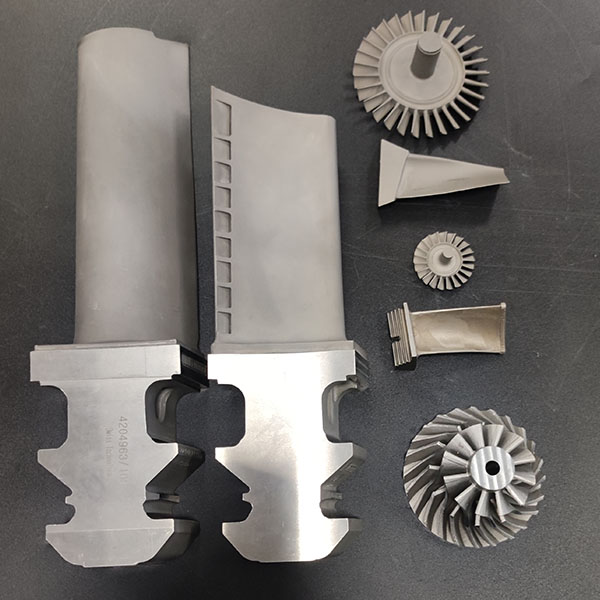
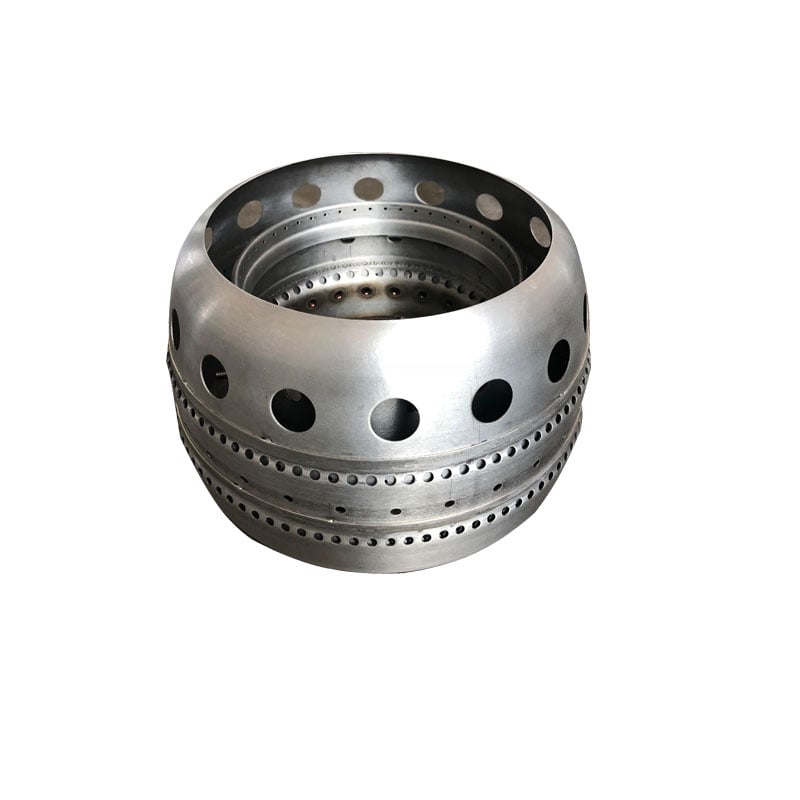
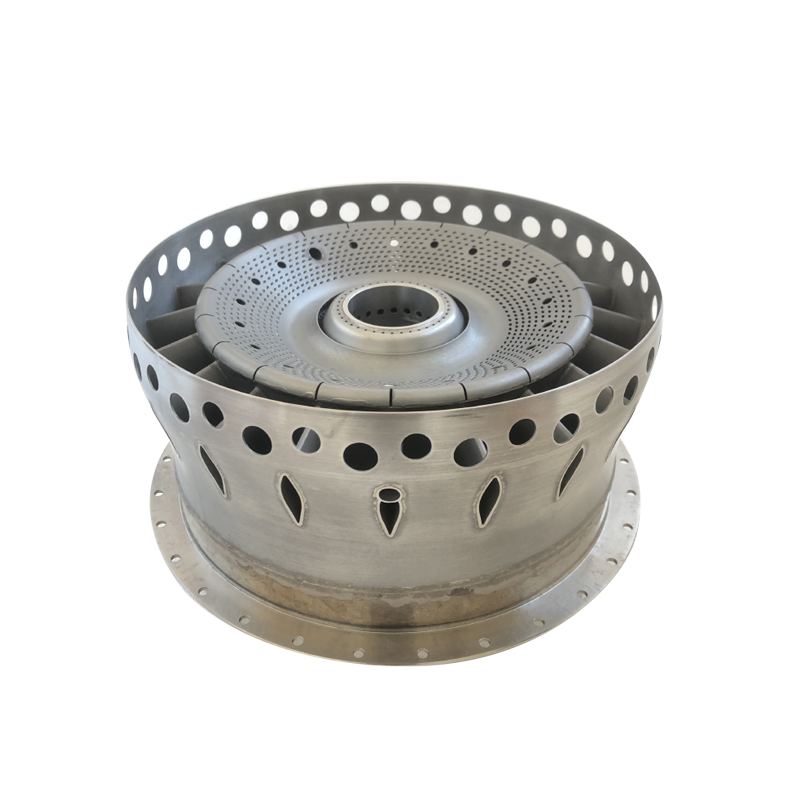
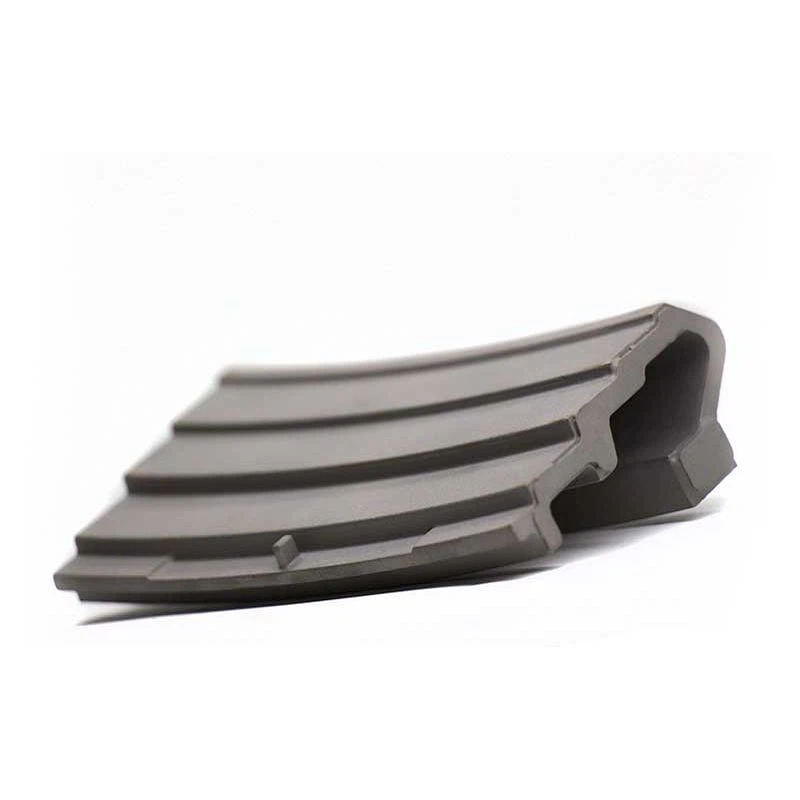
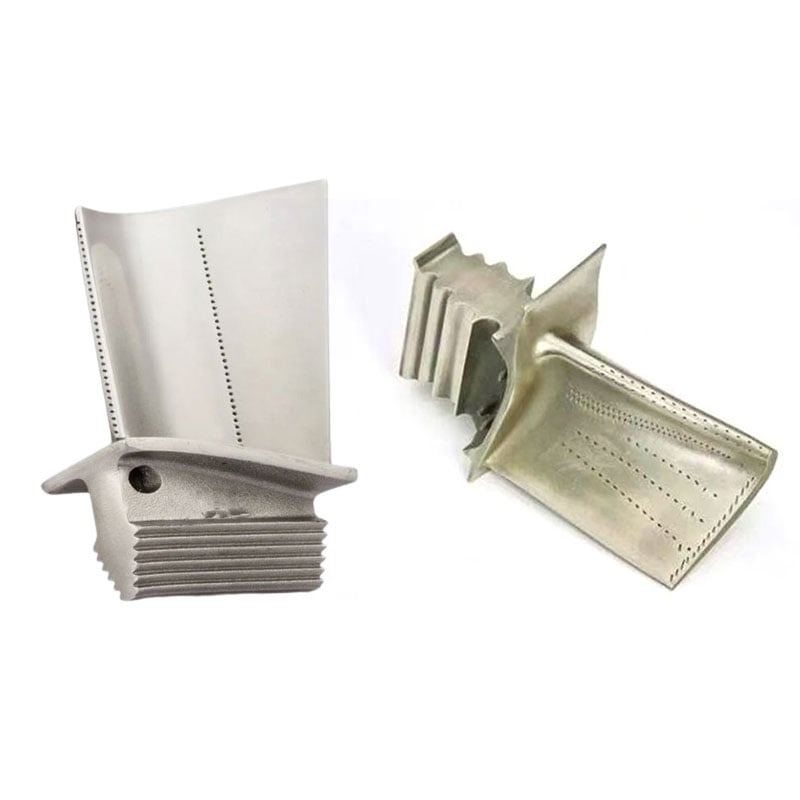
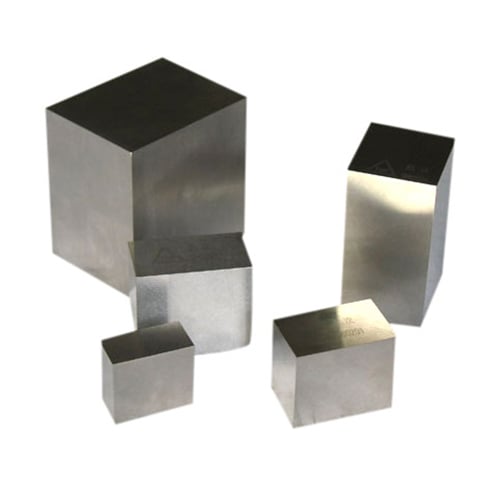
This is some of the process in making Jet engine blades. So, the engineers use a computer and software to shape that blade on code. This enables them to forged distinct designing, which is appropriate for the engines. Once that is done, they make an initial model of the blade with a 3D printer. This little version comes in handy as a way to try it out if the design will work before actually building blades.
After designing the part and finalizing, it's time to go into production on real jet engine blades. The perfect kind of powerful steel, such as titanium material:Engineers select for using high-strength metal that is combining light-weight and toughness. This enables the blades to be strong enough so that they can withstand in-flight loads, while remaining light-weight which allows for efficient working of engines. From there, machinery will refine that metal for the specific design engineers planned. Lastly, every single blade is thoroughly checked by a team of experts to ensure no mistakes or defects.
The blades of an aircraft jet engine must be extremely powerful, as well as resistant to very high temperatures. For this reason, blades are given special coatings to prevent wear — and engineers need repeated measurements (again imaging) throughout the year. They also use exotic materials like ceramic matrix composites, which are incredibly tough and able to withstand extremely high temperatures compared with most metals.
The process of manufacturing blades for jet engines has improved significantly over the years. 3D Printing Technology One of the biggest changes is a new technology using this machine. This enables engineers to develop engines with more intricate and detailed designs that provide enhanced performance than ever before. One final note: the blades are all cut by lasers now (again, according to Nidec), which is said to be a more precise and quicker method of blade cutting than traditional methods.
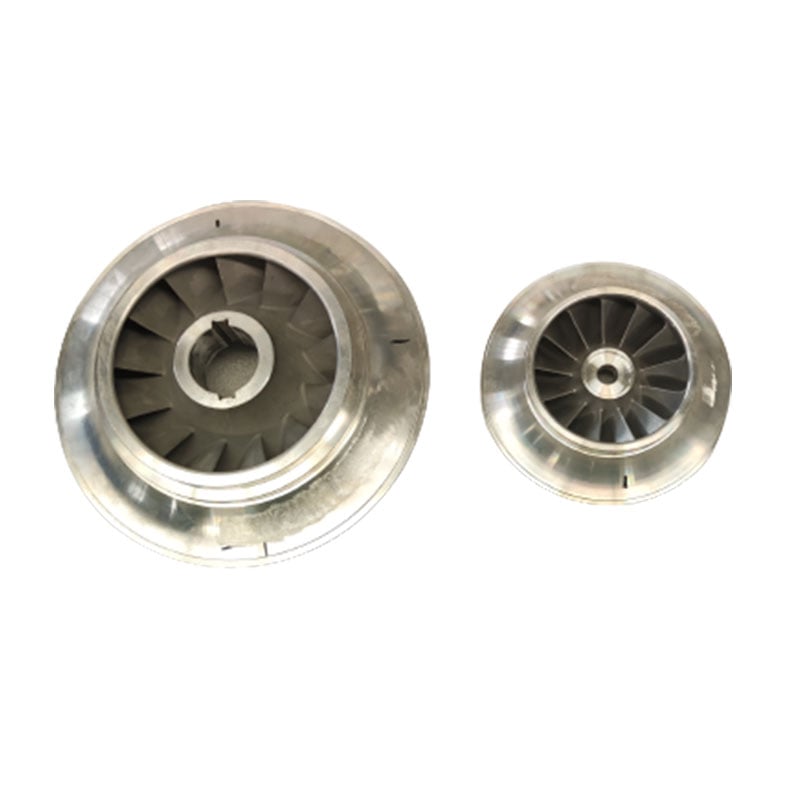
To manufacture and verify that every blade is built the right way, very sophisticated machines are employed by engineering teams. Laser sensors check the blades to a gnat's whisker and laser marks any part of it that is out by as much as one-tenth of a millimetre. They also take X-rays and carry a number of other specialized tests that we previously mentioned which allows them to check whether the blades are in good health or if they have any defects/weaknesses.
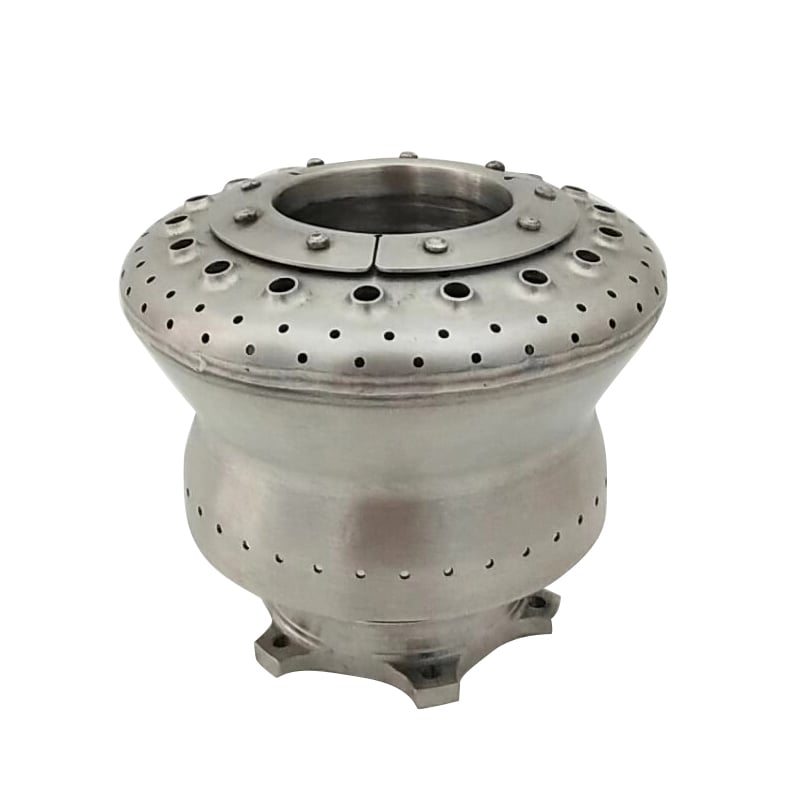
Jet engine blades are continuously under development by engineers. This includes things like using more cutting edge materials (think carbon fiber composites) to see what happens. Even stronger and lighter than the metals in use today, these materials promise improved performance.
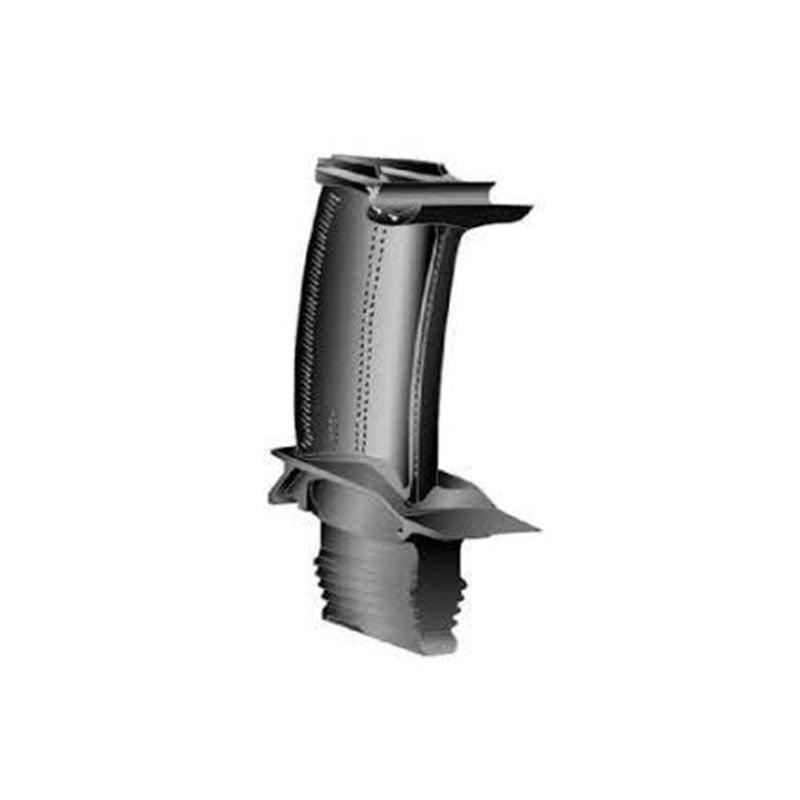
The company will also explore new manufacturing techniques that can even further accelerate the creation of blades and potentially increase their accuracy with engineers. In fact, some use robots to assist in the production of blades. Robots can be used to reduce human error, thus improving the overall efficiency of the process.
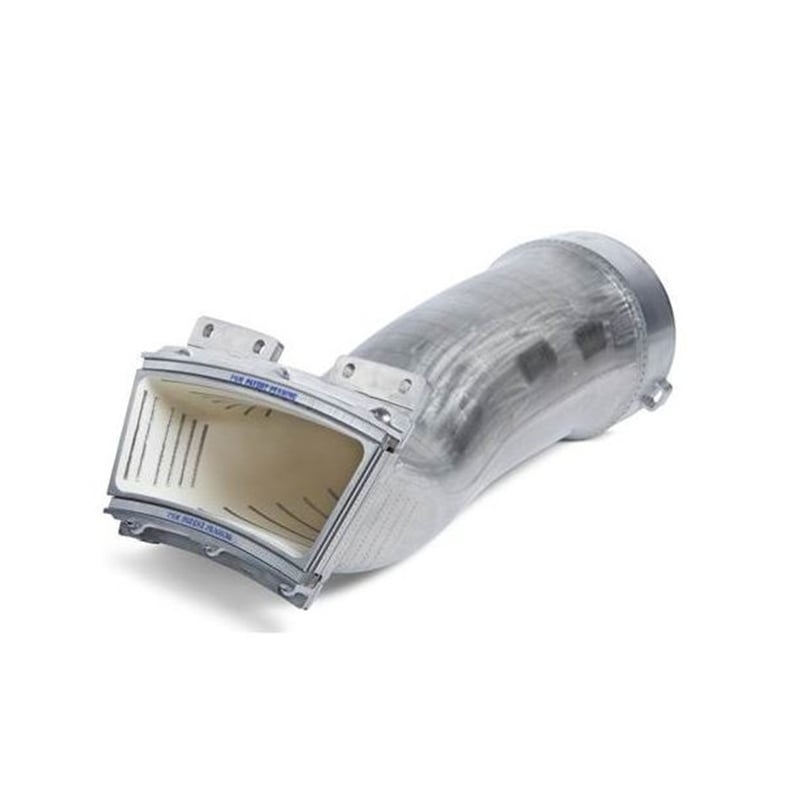
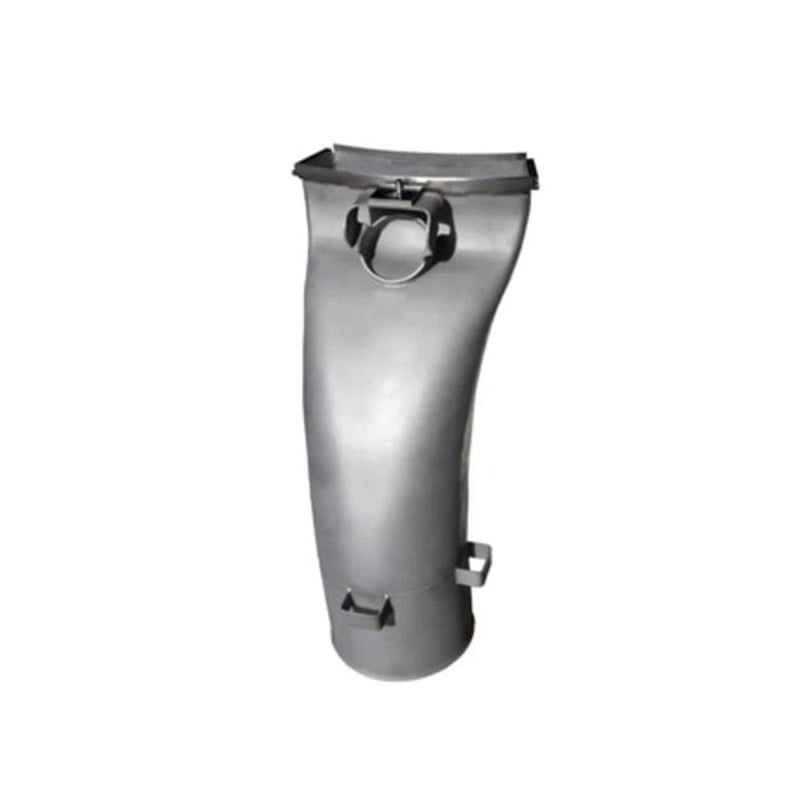
Our company offers specific services that is able to manufacture turbine parts from various high-temperature alloys in order to satisfy the demands of customers. Our flexible production flow as well as our state-of-the-art process technology and our ability to satisfy particular requirements, like size and shape, as well as performance will allow us to meet every requirement. We are in constant contact with our customers in order to fully understand their needs specific to them and the application scenarios, and provide them with expert technical guidance and solutions. We have a rich selection of processing and materials that can meet the jet engine blades manufacturing of various sectors and application. Through customized services, we assist our customers in optimizing their product performance and cost, and improve market competitiveness.
Our customer support is comprehensive and includes technical assistance, jet engine blades manufacturing and after-sales assistance to ensure that our customers get the best possible experience. Our team of experts will evaluate the requirements of the customer and offer appropriate product solutions and suggestions. We provide technical support throughout the entire process, from choosing products, to the installation and commissioning. This guarantees that our customers can make use of our products with no issues. We have developed an after-sales service that allows us to quickly respond to customer requests and problems and provide efficient and timely solutions. Our goal is to establish lasting relationships with our customers and gain their confidence and satisfaction with quality customer service.
Our company is committed to strict quality control standards to guarantee the best performance and reliability of every component Every step of the production process is controlled for quality starting from the purchase of raw materials all the way to the final test of the product We also carry out regular quality audits as well as adjustments to ensure constant improvements in product quality Our goal is to win the trust and continue to work with of our clients by offering top quality products and to become an jet engine blades manufacturing
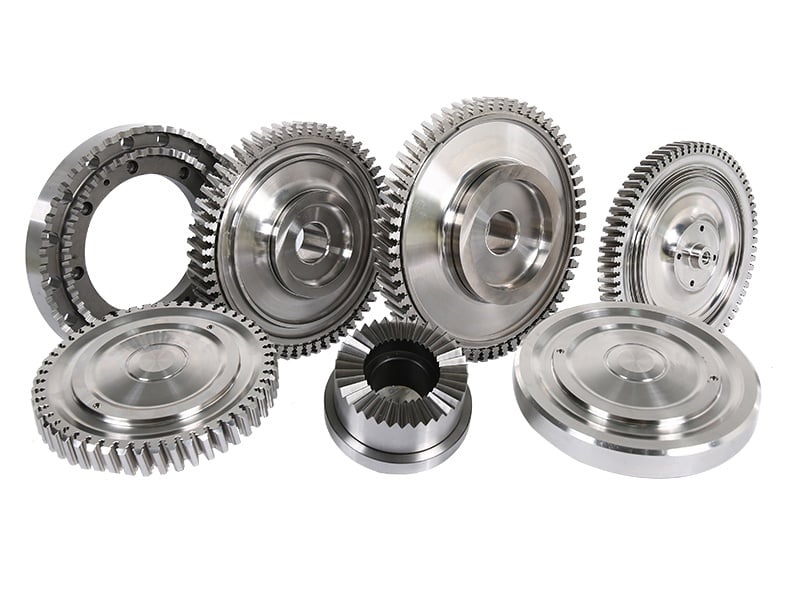
Our company has the ability to produce highly accurate and consistent turbine components by using casting, forging and CNC jet engine blades manufacturing. The casting process permits us to produce parts with complex shapes and high strength, whereas the forging process gives the parts better mechanical properties and longer lasting. CNC machine technology, on the contrary, guarantees an extremely high level of precision and consistency in each component, thus reducing the risk of errors and substandard products. Our skilled technical team is always striving to improve technological innovation and process improvements in order to ensure our products are at the cutting-edge of technology in the industry. We're committed to meeting our customers' needs for turbine components that are high-performance through constant technological advancement.
 EN
EN
 AR
AR
 BG
BG
 HR
HR
 CS
CS
 DA
DA
 NL
NL
 FI
FI
 FR
FR
 DE
DE
 EL
EL
 HI
HI
 IT
IT
 JA
JA
 KO
KO
 NO
NO
 PL
PL
 PT
PT
 RO
RO
 RU
RU
 ES
ES
 SV
SV
 TL
TL
 IW
IW
 LV
LV
 LT
LT
 SR
SR
 SK
SK
 SL
SL
 UK
UK
 VI
VI
 ET
ET
 HU
HU
 TH
TH
 TR
TR
 AF
AF
 MS
MS
 GA
GA
 IS
IS
 LA
LA