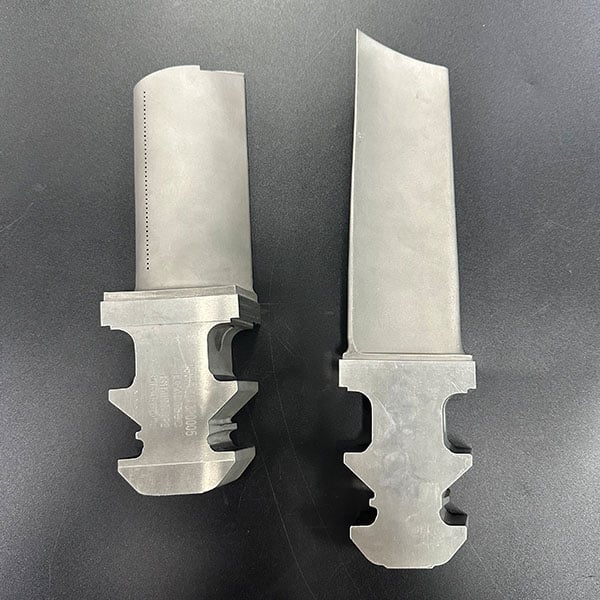
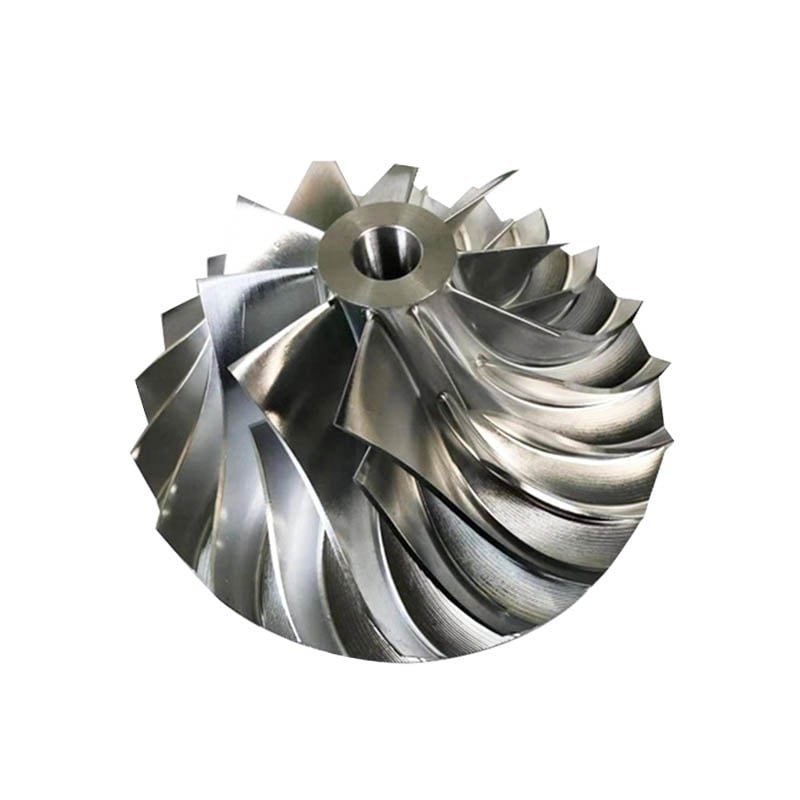
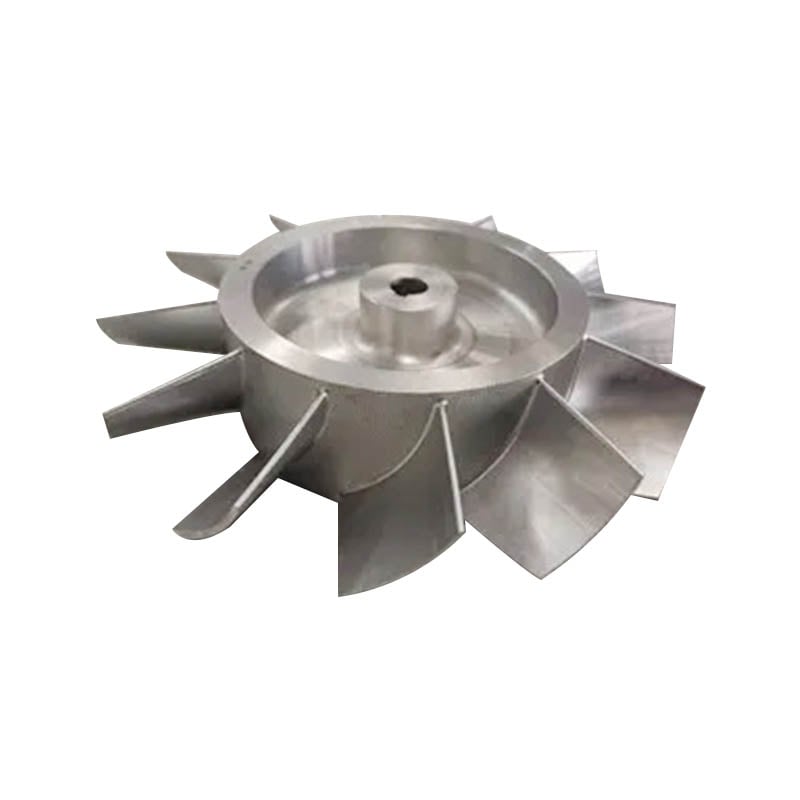
Jets: Most of them have wings like an airplane, but they are powered by jet engines.Light planes:"Light plane" is a general term for small aircraft. Turbine blades are something which is quite important in the case of a jet engine. Like mini fans, these turbine blades in the glass tube… This airscrew element rotates at high speeds to force air into the engine causing it to move really hence propeling your airplane.
The turbine blades have to be incredibly strong. This is because they need to manage very hot temps and hundreds of pounds of force within the engine. This is the reason why scientists and engineers spend millions of dollars to search for an ideal material just for these blades. The blades must be made such that they can withstand whatever is happening inside the engine, without breaking or getting damaged.
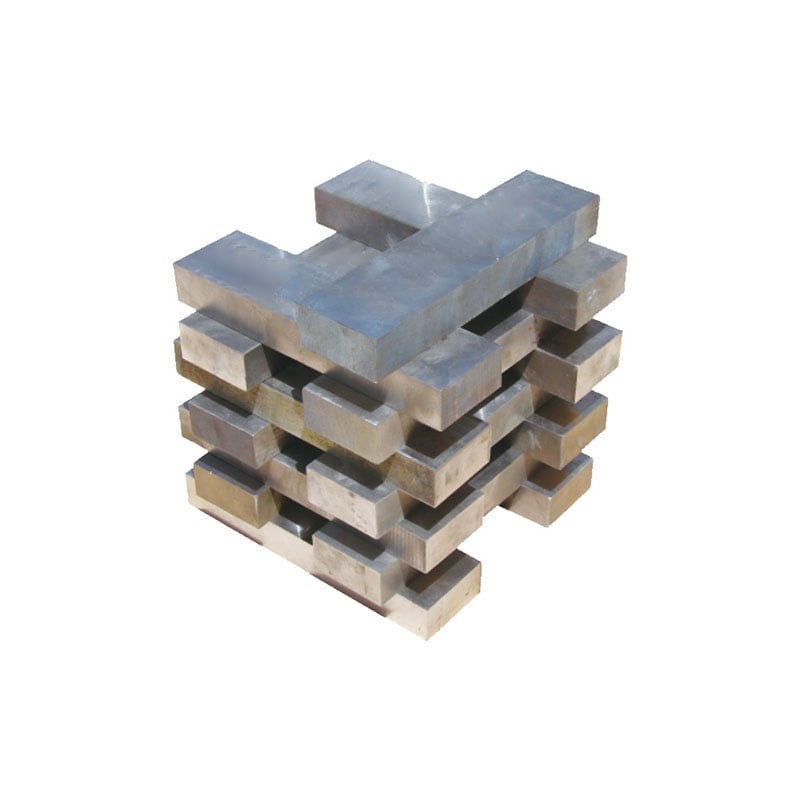
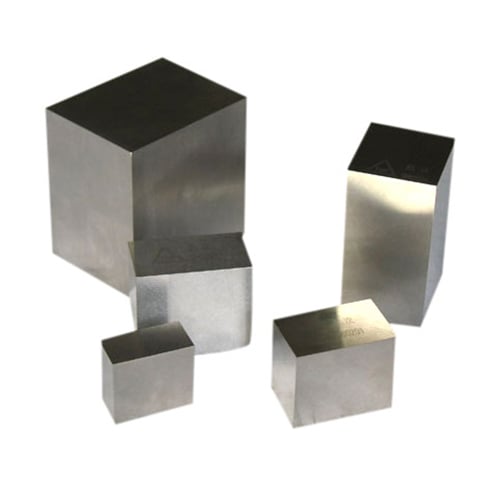
The turbine blades are very high heat alloys. Nickel-based superalloys are a type of metal that is often used. It was built using superalloys, which are very strong and heat resistant. These are constructed from diverse metals including nickel, chromium and cobalt. When these metals combine, they create a solid form that is melt resistant to withstand the hot gasses produced by the jet engine.
Nonetheless, scientists do not want simply to restrict themselves to the use of superalloys. Turbine blades have to perform the same under a variety of different circumstances, meaning they are always in search for new materials that can help. One example and some researchers are testing in ceramic materials. These ceramics are capable of withstanding even higher temperatures than the superalloys, and hence they stand as a very hopeful for future designs.
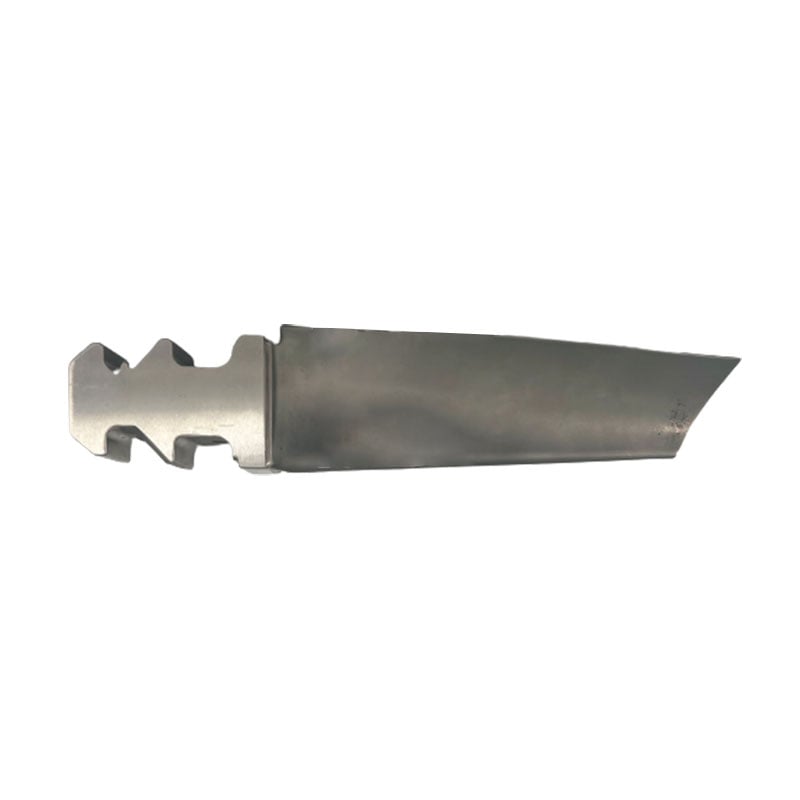
Mo-Si-B MoSi2 turbine blade One of the new materials researchers are investigating for use in wind turbine blades is Molybdenum-silicon-boron or more easily referred to as, Mo-Si-B. Enter, Mo-Si-B: it is solid stuff but that lickety spilt as we know and love a valve train in reality — ceramic at top grades which can withstand up to 2400°C (superior frictional performance) or way hotter than super-alloys could ever dream of doing; yes the future for jet engine safety looks very exciting with this new compound. It also possesses a unique crystal structure that makes it much stronger than any other type of ceramic material.
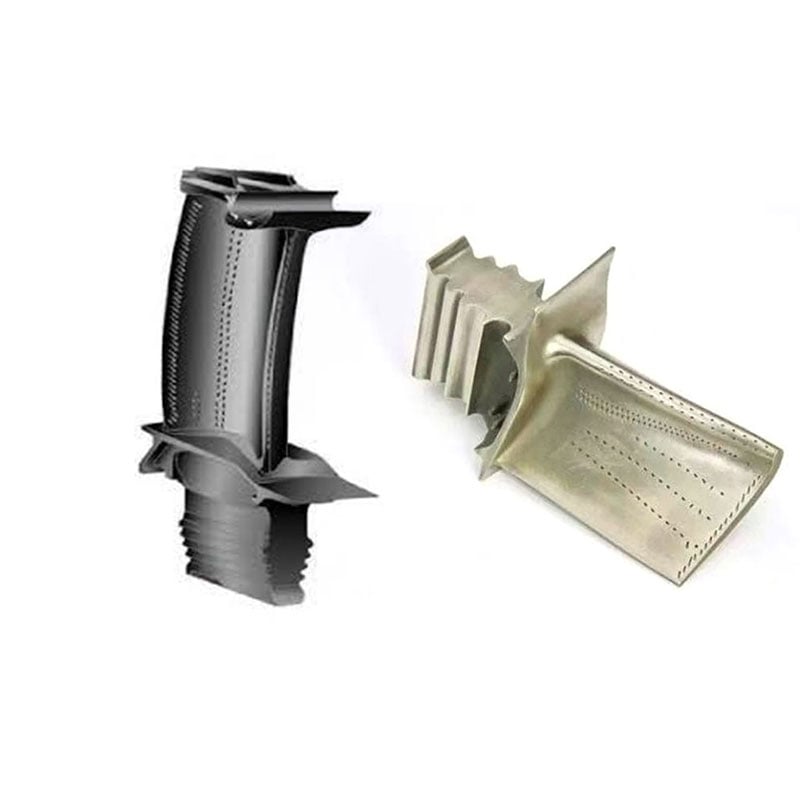
Scientists are considering other emerging technoogies, like 3D printed turbine blades as well. While the product was dubbed "Of its time", it is manufactured using an ancient production method not possible today — unless, like Penfold and Badve have done with their new 3D printing system called 'The ADVM'— you turn to 3D print. The process has already been used by some major companies like GE Aviation, and it is thanks to 3D print that special cooling channels inside their turbine blades were possible. The cooling channels serve to keep the blades tough and thus prolong their life while working in extreme temperatures.
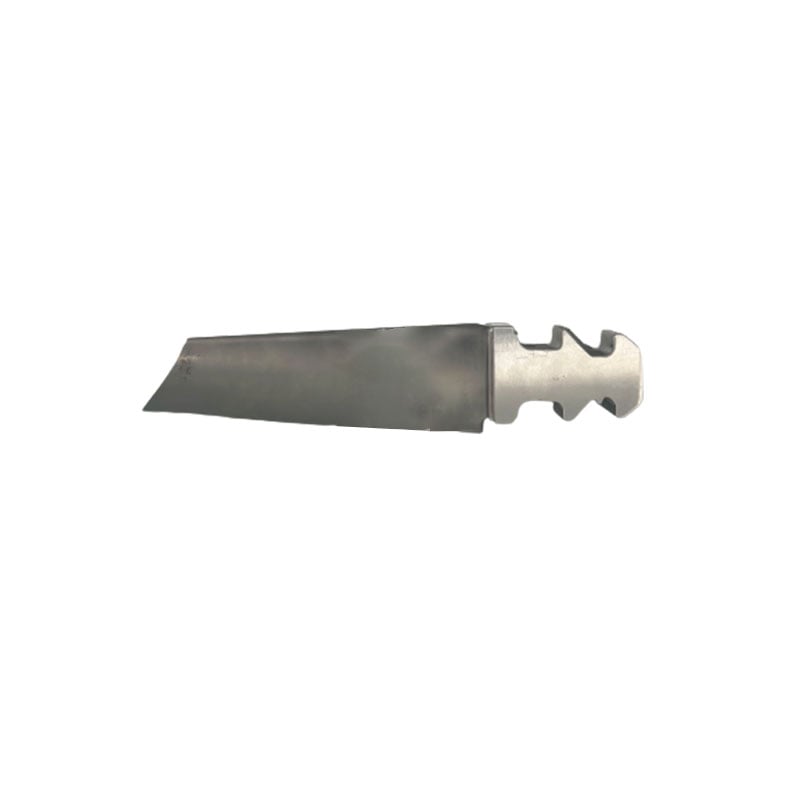
Just like materials science, 3D printing advancements and improvement continue. While this once again opens more new ideas and possibilities for turbine blades design, a word of caution that power demand during take-off > practical technology now. Nanomaterials, for example. These materials are already exceptionally small and possess qualities that may aid in creating longer lasting, stronger turbine blades.
Our comprehensive customer service includes pre-sales consulting technical support and after-sales services to ensure that customers enjoy the most enjoyable experience Our expert team will assess the needs of customers and offer appropriate product suggestions and solutions We provide technical support starting with the selection of products through installation and commissioning This ensures that our customers are able to enjoy our products without issues For after-sales support we have developed an efficient service system that can respond swiftly to customer issues as well as needs and provide material used in jet engine turbine blades and efficient solutions Our goal is to create long-term relationships and gain customers trust and their satisfaction by providing superior customer service
Our company follows strict material used in jet engine turbine blades standards in order to ensure excellent performance and dependability of each component. Quality control is conducted throughout the entire production process beginning with the purchase of raw materials through the test of the finished product. To ensure that the quality of our products is continuously improved, we perform regular audits and improvements. We strive to earn the trust of our clients and their long-term partnership by providing products of high-quality.
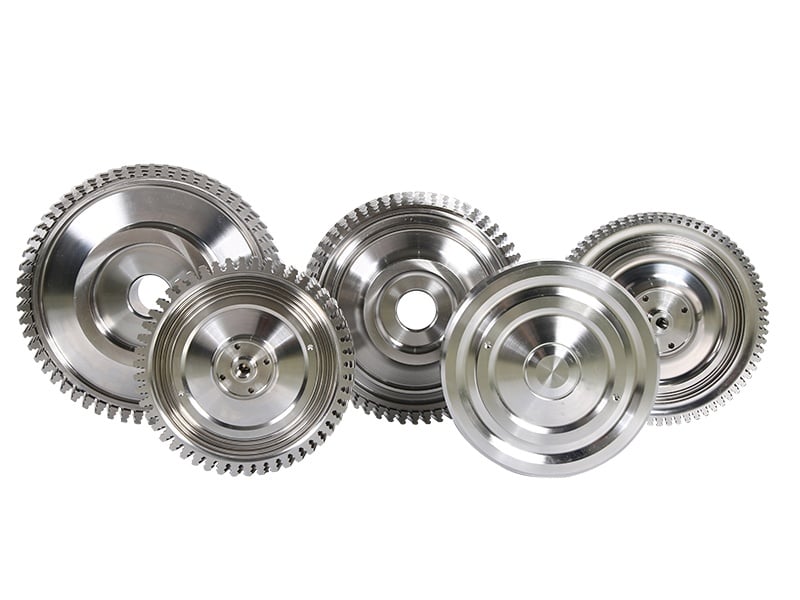
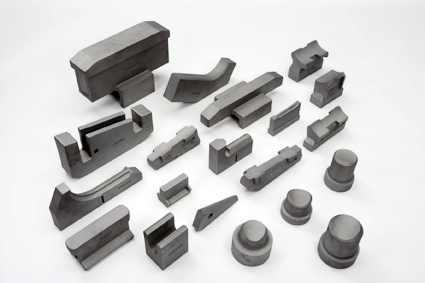
We are able to create turbine components with high accuracy and consistency using CNC casting, machining and forging processes. Casting allows us create parts with material used in jet engine turbine blades, strong and durability. Forging offers parts more durable and superior mechanical property. CNC machining, on the contrary is extremely precise and consistency for each part. This eliminates mistakes and poor quality products. Our experienced technical team is continuously researching technological advances and process optimizations in order to keep our products at the leading edge of industry technology. We're committed to meeting the demands of our customers for high-performance turbine components by the continuous advancement of technology.
Our company offers customized services and is able to fabricate turbine components from many different high temperature alloys based on customer specifications. Our flexible production flow along with our advanced process technology and our capability to meet material used in jet engine turbine blades, such as size and shape, as well as performance can allow us to meet any requirement. We work closely with clients to comprehend their needs and the potential scenarios for their applications, and then give them professional guidance and solutions. Our wide range of products processing capabilities, processing capabilities, and specific requirements for applications allow us to fulfill the particular requirements of various industries and application. With our customized services, we help our customers optimize efficiency and costs of their products, and improve market competitiveness.
 EN
EN
 AR
AR
 BG
BG
 HR
HR
 CS
CS
 DA
DA
 NL
NL
 FI
FI
 FR
FR
 DE
DE
 EL
EL
 HI
HI
 IT
IT
 JA
JA
 KO
KO
 NO
NO
 PL
PL
 PT
PT
 RO
RO
 RU
RU
 ES
ES
 SV
SV
 TL
TL
 IW
IW
 LV
LV
 LT
LT
 SR
SR
 SK
SK
 SL
SL
 UK
UK
 VI
VI
 ET
ET
 HU
HU
 TH
TH
 TR
TR
 AF
AF
 MS
MS
 GA
GA
 IS
IS
 LA
LA