 EN
 AR
 BG
 HR
 CS
 DA
 NL
 FI
 FR
 DE
 EL
 HI
 IT
 JA
 KO
 NO
 PL
 PT
 RO
 RU
 ES
 SV
 TL
 IW
 LV
 LT
 SR
 SK
 SL
 UK
 VI
 ET
 HU
 TH
 TR
 AF
 MS
 GA
 IS
 LA

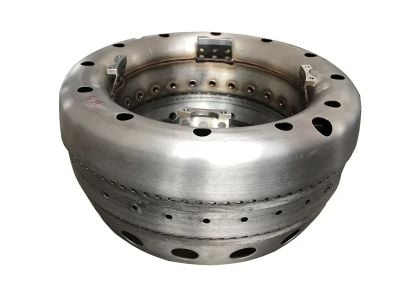
When considering the procurement of aftermarket gas turbine parts, it is essential to have a structured approach. An effective procurement checklist for evaluating aftermarket gas turbine parts can help buyers ensure that they select high-quality components that meet their operational needs. This article addresses critical concerns for B2B buyers, such as supplier reliability, product specifications, quality comparison, cost factors and common issues with gas turbine components. By understanding these elements, purchasing managers, engineers, and product managers can make informed decisions that enhance operational efficiency and reliability.
Evaluating Supplier Reliability for Aftermarket Gas Turbine Parts
Reliability in suppliers is paramount when sourcing aftermarket gas turbine parts. Buyers should assess a supplier's manufacturing capabilities, industry experience, and customer references. A reliable supplier often has a proven track record in delivering high-quality products consistently. It's essential to check whether the supplier has the necessary certifications and quality control processes in place to ensure that their products meet industry standards. For instance, suppliers specializing in casting, CNC machining, and forging of superalloys, like QINGDAO OBT POWER CO., LTD., should demonstrate precision manufacturing capabilities and robust quality assurance protocols. Buyers should also inquire about lead times, production capacity, and the supplier's ability to handle custom orders to ensure that they can meet specific project requirements.
Key Specifications to Consider When Sourcing Turbine Components
When evaluating aftermarket gas turbine parts, several key specifications must be considered. These include material composition, dimensional tolerances, and performance requirements.
Material Composition: Superalloys such as Stellite, Inconel, and titanium are commonly used in turbine components due to their ability to withstand extreme temperatures and corrosive environments. The choice of material impacts not only the performance but also the longevity of the components under operational stress.
Dimensional Tolerances: Precision is critical in gas turbine blade components, with tolerances often controlled within ±0.004mm. Inadequate tolerances can lead to fitting issues and potential operational failures. Buyers should confirm these tolerances with the manufacturer to ensure compatibility with existing systems.
Performance Requirements: Understanding the operational conditions under which the turbine components will be used is crucial. Buyers should specify required load capacities, temperature ranges, and any specific environmental conditions (e. g., moisture or chemical exposure) to ensure that the selected parts will perform reliably.
How to Compare Quality in Aftermarket Gas Turbine Parts?
Quality comparison among aftermarket gas turbine parts involves a comprehensive evaluation of several factors. First, buyers should assess the quality control processes implemented by the manufacturer. This includes in-process inspections, final product testing, and adherence to international quality standards. Next, buyers should request samples for evaluation. Testing sample components under actual operating conditions can reveal potential issues that may not be apparent from specifications alone. Factors such as surface finish, fit, and material integrity should be scrutinized during this phase.
Additionally, comparing the manufacturing processes used by different suppliers can provide insights into quality. For example, manufacturers utilizing advanced equipment like five-axis machining centers may offer superior precision and surface quality compared to those using less sophisticated methods.
Understanding Cost Factors for Bulk Orders of Turbine Components
Cost considerations for bulk orders of turbine components can vary significantly based on several factors. Buyers should be aware of the following:
Material Costs: The choice of superalloy directly impacts the cost. High-performance materials like Inconel usually command a premium but offer better durability and performance.
Customization: Custom components often incur additional costs due to the complexity of design and the need for specialized manufacturing processes. Buyers should weigh the benefits of customization against the associated costs.
Order Quantity: gas turbine rotor orders typically yield cost savings through economies of scale. However, buyers should confirm the minimum order quantity (MOQ) and any associated pricing tiers to ensure that they are optimizing their procurement budget.
Logistics and Shipping: The total cost of procurement should also consider shipping and handling fees, which can vary based on the destination and packaging requirements. Buyers should discuss these aspects with suppliers to avoid unexpected expenses.
Identifying Common Problems with Gas Turbine Components
Understanding common problems associated with gas turbine components is crucial for mitigating risks during procurement. Some frequent issues include:
Material Defects: Components made from subpar materials may fail prematurely. Buyers should ensure that suppliers conduct thorough material inspections and provide material certifications.
Dimensional Inaccuracies: Tolerances that are not adhered to can lead to operational failures. Buyers must verify that the supplier's manufacturing processes are capable of maintaining the specified tolerances.
Surface Finish Issues: Poor surface finish can affect the performance of gas turbine wheel components. Buyers should ensure that the supplier has robust finishing processes in place and inspect samples for surface quality before mass production.
Incompatibility with Existing Systems: Components must be compatible with existing turbine systems. Buyers should provide detailed specifications and design documents to suppliers to ensure that the parts will fit and function as required.
By applying this procurement checklist and understanding these critical factors, B2B buyers can enhance their selection process for aftermarket gas turbine parts, ensuring quality, reliability, and cost-effectiveness in their operations.
Table of Contents
- Evaluating Supplier Reliability for Aftermarket Gas Turbine Parts
- Key Specifications to Consider When Sourcing Turbine Components
- How to Compare Quality in Aftermarket Gas Turbine Parts?
- Understanding Cost Factors for Bulk Orders of Turbine Components
- Identifying Common Problems with Gas Turbine Components