 EN
 AR
 BG
 HR
 CS
 DA
 NL
 FI
 FR
 DE
 EL
 HI
 IT
 JA
 KO
 NO
 PL
 PT
 RO
 RU
 ES
 SV
 TL
 IW
 LV
 LT
 SR
 SK
 SL
 UK
 VI
 ET
 HU
 TH
 TR
 AF
 MS
 GA
 IS
 LA

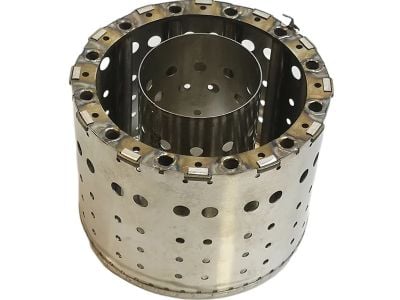
Understanding the differences between forged and cast combustion liners is critical for fleet operators aiming to optimize engine performance and reliability. This article explores the key considerations when choosing between these two manufacturing processes, offering insights into their specifications, applications and installation requirements. By the end, purchasing managers and engineers will better understand which option best suits their fleet's needs.
What Fleet Operators Should Know About Forged vs Cast Combustion Liners?
Combustion liners are critical components in gas and steam turbines, as they directly impact the efficiency and durability of the engine. The primary difference between forged and cast combustion liners lies in their manufacturing processes. Forged liners are created through heat and pressure, resulting in a denser, stronger material. On the other hand, cast liners are shaped by pouring molten metal into a mold, which can allow for more complex geometries but may result in a less strong structure. For fleet operators, the choice between forged and cast liners often hinges on performance and longevity. Forged combustion liners typically offer enhanced resistance to thermal and mechanical stresses, making them suitable for high-performance applications. Conversely, cast liners can be more economical and are often sufficient for less demanding environments.
Key Specifications to Consider for Forged and Cast Combustion Liners
When evaluating forged versus cast combustion liners, several key specifications should be taken into account:
Material Composition: Both forged and cast liners can be made from superalloys such as Inconel and Stellite, which provide excellent resistance to high temperatures and corrosion. The choice of material will affect not only the performance but also the cost and lead time for production.
Dimensional Tolerances: Precision is crucial in combustion liner. Forged liners usually maintain tighter tolerances due to the controlled manufacturing process. For applications where fit and alignment are critical, such as in gas turbines, this can be a significant advantage.
Surface Finish: The surface finish of the combustion liner can impact its performance. Forged products typically have superior surface integrity, which can lead to improved thermal performance and reduced wear over time.
Weight: Forged liners may be lighter due to their denser structure, which can influence the overall weight of the engine assembly. This is an essential consideration for applications where weight reduction is a priority.
Cost: Generally, forged components are more expensive due to the complexities involved in their manufacturing. However, the long-term benefits in terms of reduced maintenance and increased lifespan can offset the initial investment.
How to Choose Between Forged and Cast Combustion Liners for Your Fleet?
Selecting the appropriate combustion liner for your fleet depends on a variety of factors:
Operational Conditions: Assess the engine's operational environment. If your engines operate under extreme conditions, forged liners may be the better choice due to their enhanced durability and performance.
Budget Constraints: If budget is a significant concern, cast liners may provide a more economical solution, especially when the operational conditions are less demanding.
Performance Requirements: For high-performance applications that require frequent operation at maximum loads, forged liners generally outperform cast liners.
Customization Needs: Consider whether your application requires customized dimensions or features. Forging allows for limited customization compared to casting, which can accommodate intricate designs more easily.
Supplier Capabilities: Evaluate potential suppliers, such as QINGDAO OBT POWER CO., LTD., that specialize in the manufacturing processes relevant to your needs. Their capabilities in both forging and casting can provide valuable insights and options tailored to your specifications.
Sourcing Forged vs Cast Combustion Liners
When sourcing combustion liners, it is essential to engage with suppliers that have a proven track record in producing high-quality products. Factors to consider include:
Manufacturing Expertise: Choose suppliers with extensive experience in forging and casting superalloys. Their understanding of material properties and processing techniques will be crucial in ensuring product performance.
Quality Control: Ensure the manufacturer has robust quality control processes in place. For example, QINGDAO OBT POWER CO., LTD. employs precision machining and strict inspection protocols to maintain high standards.
Lead Times and Minimum Order Quantities (MOQ): Understand the lead times and MOQs for both forged and cast chamber combustion. Depending on your fleet size and maintenance schedules, this can impact your operations significantly.
Technical Support: A supplier that offers technical support and consultation can be invaluable in helping you make informed decisions. They can assist with specifications, application suitability and installation insights.
Installation Insights for Forged and Cast Combustion Liners in Engines
Successful installation of combustion liners is vital for optimal engine performance. Here are key considerations for both forged and cast liners:
Pre-Installation Checks: Before installation, verify that the liners meet the specified dimensions and tolerances. For forged liners, ensure that the density and surface finish are appropriate for the application.
Fit and Alignment: Proper alignment during installation is crucial to prevent excessive wear and potential failures. Forged liners, due to their tighter tolerances, may offer advantages in fit.
Handling and Transportation: Both types of liners should be handled carefully to avoid damage. Ensure that proper packaging methods are used during shipping to protect against impact and environmental factors.
Post-Installation Testing: After installation, conducting performance tests can help identify any issues early on. This is especially important for high-performance applications where precision is crucial.
In summary, understanding the differences between forged and cast combustion chamber can significantly impact fleet efficiency and reliability. By evaluating material properties, performance requirements, and sourcing from reputable manufacturers like QINGDAO OBT POWER CO., LTD., fleet operators can make informed decisions that enhance their engines' operational capabilities.
Table of Contents
- What Fleet Operators Should Know About Forged vs Cast Combustion Liners?
- Key Specifications to Consider for Forged and Cast Combustion Liners
- How to Choose Between Forged and Cast Combustion Liners for Your Fleet?
- Sourcing Forged vs Cast Combustion Liners
- Installation Insights for Forged and Cast Combustion Liners in Engines