 EN
 AR
 BG
 HR
 CS
 DA
 NL
 FI
 FR
 DE
 EL
 HI
 IT
 JA
 KO
 NO
 PL
 PT
 RO
 RU
 ES
 SV
 TL
 IW
 LV
 LT
 SR
 SK
 SL
 UK
 VI
 ET
 HU
 TH
 TR
 AF
 MS
 GA
 IS
 LA

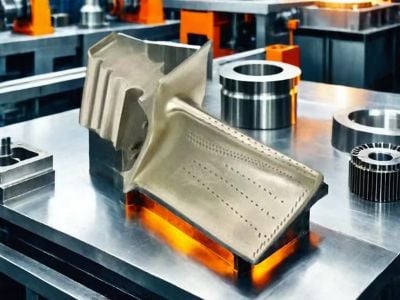
Understanding the early warning signs of turbine combustion chamber degradation is crucial for maintaining the performance and safety of gas and steam turbines. This article will explore the primary indicators of combustion chamber degradation, enabling purchasing managers, engineers, and product managers to make informed decisions regarding turbine blade single crystal sourcing and maintenance.
Early Warning Signs of Turbine Combustion Chamber Degradation
Turbine combustion chambers are critical components that endure extreme temperatures and pressures. Recognizing the early warning signs of degradation can help avert catastrophic failures. Key indicators include:
Unusual Temperature Fluctuations: Irregular temperature readings can signal problems such as thermal fatigue or uneven combustion. Monitoring temperature profiles is essential for identifying early wear and tear.
Visual Inspections: Regular inspections may reveal cracks, discoloration, or warping of the combustion chamber surfaces. These physical signs often indicate that the material integrity is compromised and may require immediate attention.
Increased Emissions: A rise in emissions, particularly unburned hydrocarbons or NOx, can indicate incomplete combustion, often due to degradation within the combustion chamber.
Vibration Analysis: Elevated vibration levels can indicate structural issues or misalignments within the turbine assembly, often linked to combustion chamber degradation. Implementing routine vibration analysis can help detect these problems early.
Performance Degradation: A noticeable drop in turbine efficiency or output power may point to combustion chamber issues. Monitoring performance metrics regularly can help identify when components need replacement or repair.
Understanding these signs allows buyers to proactively address potential issues, ensuring reliability and efficiency in turbine operations.
Where to Source Reliable Turbine Components for Your Projects
When sourcing turbine components, including combustion chambers, it’s crucial to partner with reputable manufacturers who understand the complexities of turbine technology. Look for companies with:
Specialized Expertise: Manufacturers like QINGDAO OBT POWER CO., LTD. specialize in casting, CNC machining, and forging of superalloys such as Stellite and Inconel, ensuring high-quality products suitable for extreme environments.
Quality Control Processes: Reliable suppliers implement stringent quality control measures, including precision manufacturing with tolerances controlled to within 0.004mm. This ensures that components meet the necessary specifications for performance and durability.
Customization Capabilities: Depending on your project requirements, sourcing from suppliers that offer tailored solutions can be beneficial. Customization may include specific material types, dimensions, or surface treatments that align with your operational needs.
Proven Track Records: Evaluate suppliers based on their history of successful projects and customer testimonials. This can provide insight into their reliability and the quality of their products.
Technical Support: A responsive supplier should offer technical assistance and guidance, helping you select the right components for your specific applications.
By focusing on these factors, buyers can enhance their sourcing strategies, ensuring they procure reliable turbine components that support their operational goals.
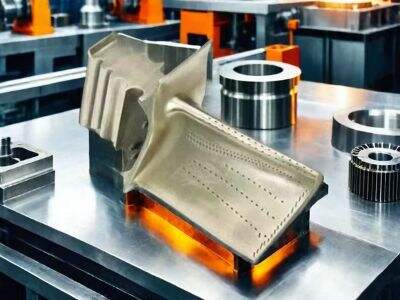
Common Problems in Turbine Combustion Chambers and Solutions
Turbine combustion chambers face various challenges that can impact their performance. Understanding these common problems and their solutions is vital for effective maintenance:
Thermal Fatigue: Continuous exposure to high temperatures can lead to cracking and material degradation. To counter this, consider using advanced materials such as Inconel, which can withstand higher thermal loads and provide better longevity.
Corrosion: Combustion chambers are often exposed to corrosive environments. Implementing protective coatings or selecting corrosion-resistant materials can help mitigate this issue, prolonging the service life of the components.
Erosion: Particle erosion can occur from fuel impurities or environmental contaminants. Regular inspections and implementing filtration systems can minimize the introduction of harmful particles.
Seal Failure: Seal failures can lead to leaks, impacting combustion efficiency. Regularly inspecting seals for wear and replacing them as necessary can help maintain optimal performance.
Improper Installation: Many problems arise from incorrect installation. Following detailed installation guidelines and using proper tools can prevent issues related to misalignment or inadequate sealing.
Addressing these problems effectively can enhance the reliability and efficiency of turbine operations, reducing maintenance costs over time.
Installation Guidelines for Turbine Components to Avoid Degradation
Proper installation of turbine components is critical to preventing premature degradation. Here are essential guidelines to ensure the longevity of combustion chambers:
Follow Manufacturer Specifications: Always adhere to the specifications provided by the manufacturer. This includes torque settings, alignment requirements, and recommended materials for seals and gaskets.
Conduct Pre-Installation Inspections: Before installation, inspect all components for any signs of damage or defects. This can prevent the installation of compromised parts that could lead to further issues.
Use Appropriate Tools and Techniques: Employ the correct tools for installation to avoid damaging sensitive components. For example, using torque wrenches can ensure that bolts are tightened to the correct specifications without over-torquing.
Ensure Cleanliness: Clean all surfaces thoroughly before assembly to prevent contaminants from compromising the integrity of the seals and joints.
Training and Certification: Ensure that installation teams are well-trained and, if possible, certified in turbine component installation. This reduces the risk of human error during the installation process.
By adhering to these installation guidelines, buyers can significantly reduce the risk of early degradation and enhance the overall performance of turbine systems.
Choosing the Right Materials for Turbine Combustion Chambers
Selecting the appropriate materials for turbine blade designs is essential for ensuring durability and performance. Consider the following factors when making your choice:
Operating Conditions: The material should withstand the specific temperature and pressure conditions of the application. Superalloys like Inconel and Stellite are ideal for high-temperature applications due to their excellent thermal resistance and strength.
Corrosion Resistance: Depending on the fuel and environmental conditions, materials should be selected for their ability to resist corrosion. Inconel, for example, offers excellent oxidation and corrosion resistance at elevated temperatures.
Thermal Expansion: Different materials have varying coefficients of thermal expansion. It’s crucial to select materials that will maintain dimensional stability under operational stresses to prevent cracking or warping.
Cost vs. Performance: While high-performance materials may come at a premium, it’s important to balance cost with expected performance and longevity. Consider the total cost of ownership when evaluating material options.
Customization Options: If your application requires unique specifications, check if the manufacturer can provide customized materials or coatings tailored to your specific operational needs.
By carefully evaluating these factors, buyers can select the right materials that not only meet the operational demands but also enhance the lifespan of turbine combustion chambers.
Table of Contents
- Early Warning Signs of Turbine Combustion Chamber Degradation
- Where to Source Reliable Turbine Components for Your Projects
- Common Problems in Turbine Combustion Chambers and Solutions
- Installation Guidelines for Turbine Components to Avoid Degradation
- Choosing the Right Materials for Turbine Combustion Chambers