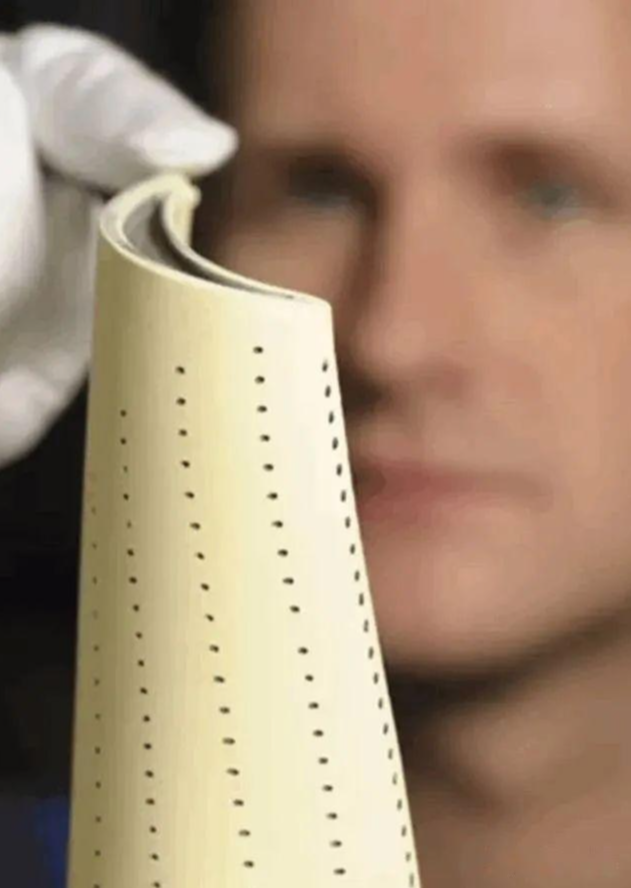
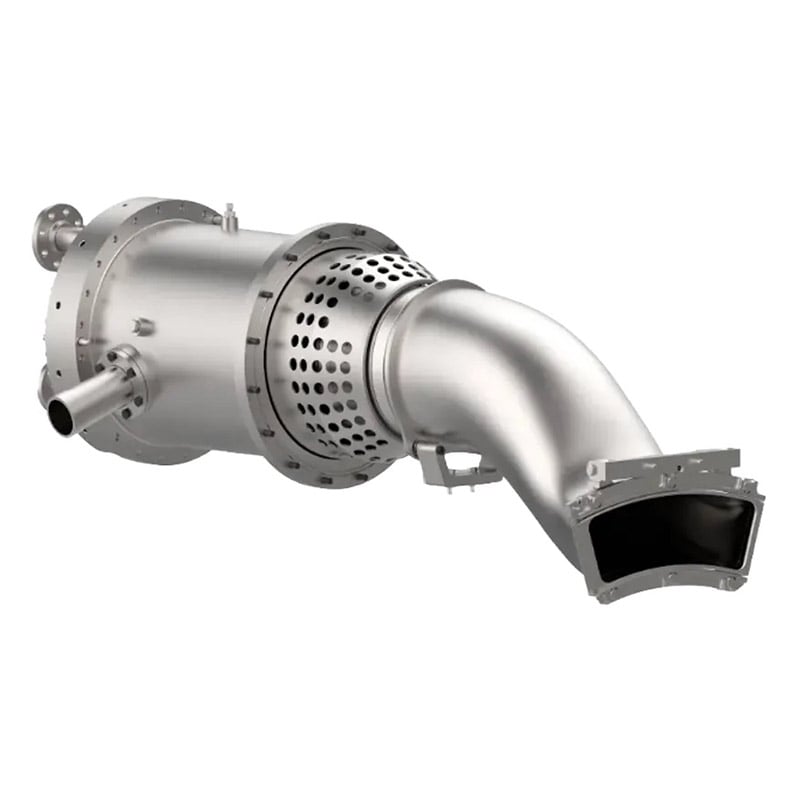
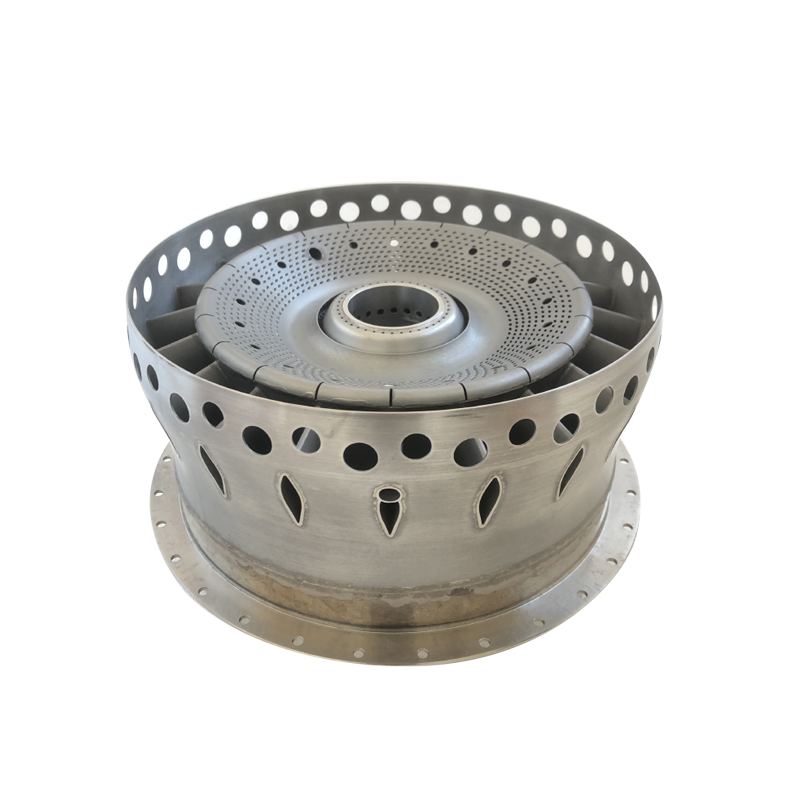
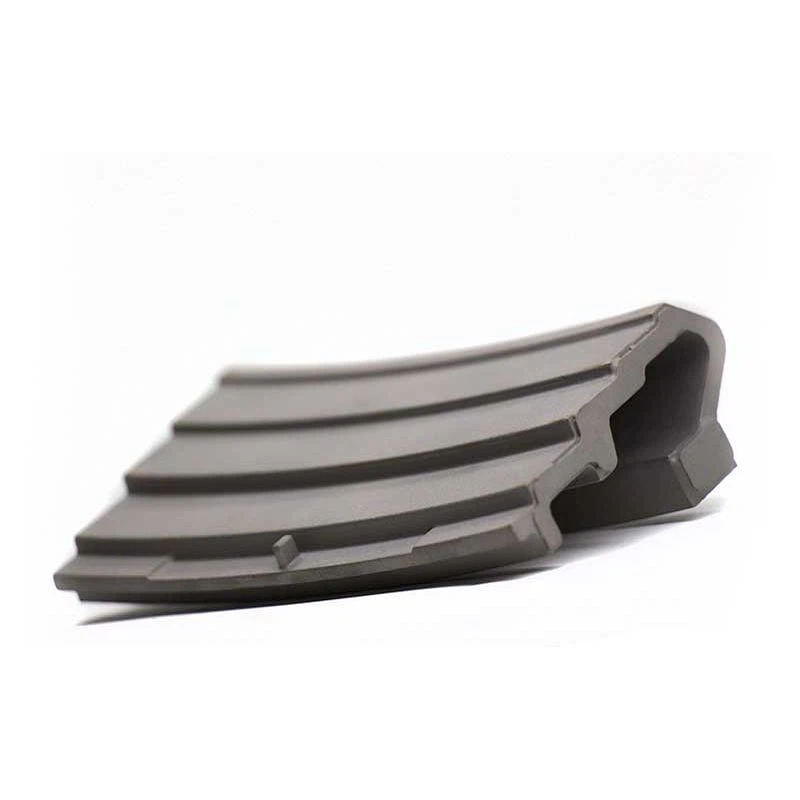
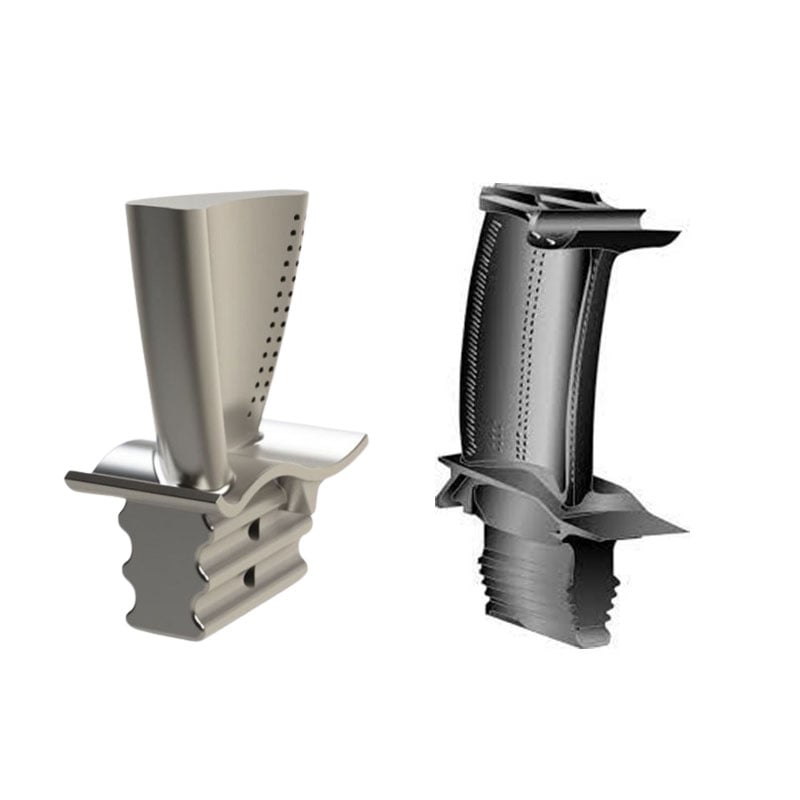
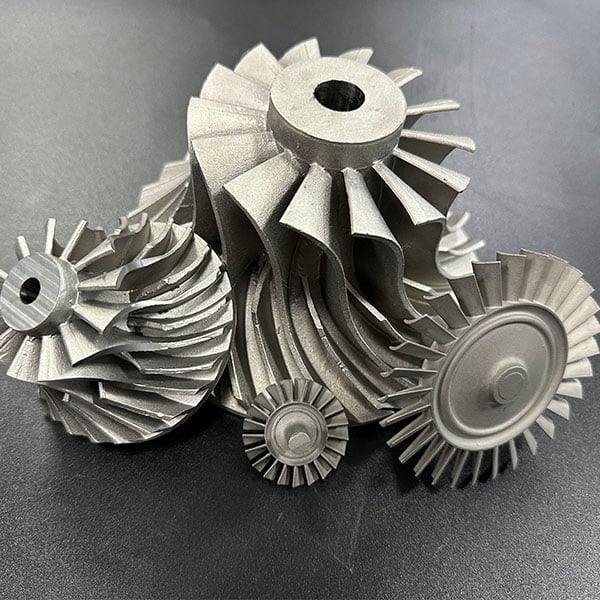
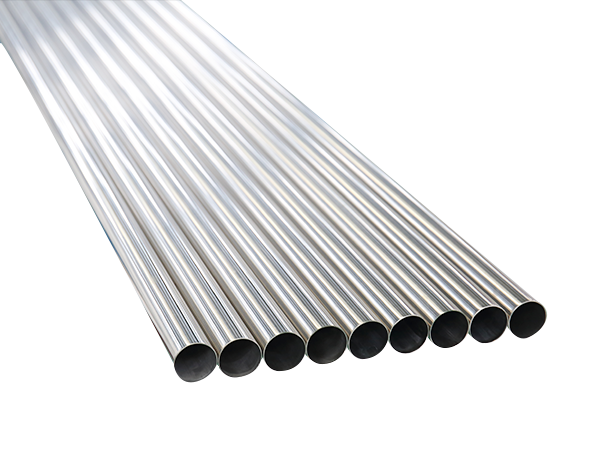
In the world of jet engine technology, turbine blade single crystals are essential. These specific crystals are made of a complex mixture of metals such as nickel, cobalts, and chromium. Making these crystals is a long and precise art.
1) Metal Melt - The metals are first melted together into a hot molten mix. It is then cast, or melted down and poured into a mould to set the metal in its initial rough shape. In the next step, this casting goes through heat and a controlled environment which aids in one single crystal structure being formed.
One of those methods is called directional solidification to provide a uniform, strong 3D structure for the crystal. This process uses cooling from bottom to top of the mold gradually concluding with solidified metal across a considerable period A solid crystal emerges from the solution as it cools and grows until attains room temperature size.
When the crystal has been properly developed, it is then cut with special tools designed for that particular purpose to create the final shape. In the final step, every blade is provided with an additional polish and special coatings to withstand extreme heat stress. The blades are then ready to be used in jet engines, where they become one of the limiting factors on how well an engine can perform.
The reason turbine blade single crystals have been used practically exclusively in jet engines is that they don't (or at least can be supposed not to) melt or flow under the pressure and heat conditions we expect them to face. All of these blades see temperatures as high as 2000°C and will spin for tens of thousands of revolutions per minute. They need to be light but strong so as not to delay a van or add extra weight that causes more fuel use, and ideally they should also last for the life of an engine.
Having a unique crystal structure means that the turbine blade single crystals are incredibly strong and resistant to heat. Single crystals such as these have no grain boundaries (unlike polycrystal materials), and any fracture that does occur is not propagated around the blade; this allows them to keep their integrity even in demanding applications.
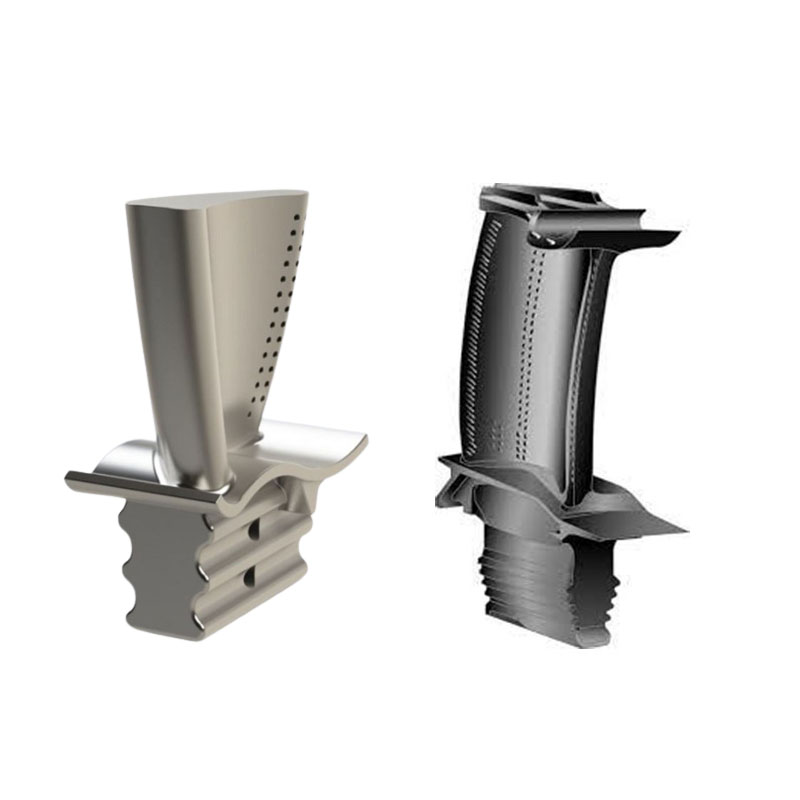
Single crystals of turbine blade differ from their polycrystalline counterparts in that they have a single crystal structure, chemical composition and properties. But it is one crystal instead of a collection of many crystals with random connections and boundaries. This structural difference has a major effect on the mechanical properties of materials and mineral plasticity.
Single crystal turbine blades also have a chemical composition consisting of nickel, cobalt, chromium and some additives to improve the operational properties at high temperatures as well. Its grain boundary lack instills the material with strength and malleability at high temperatures for reduced failure potential.
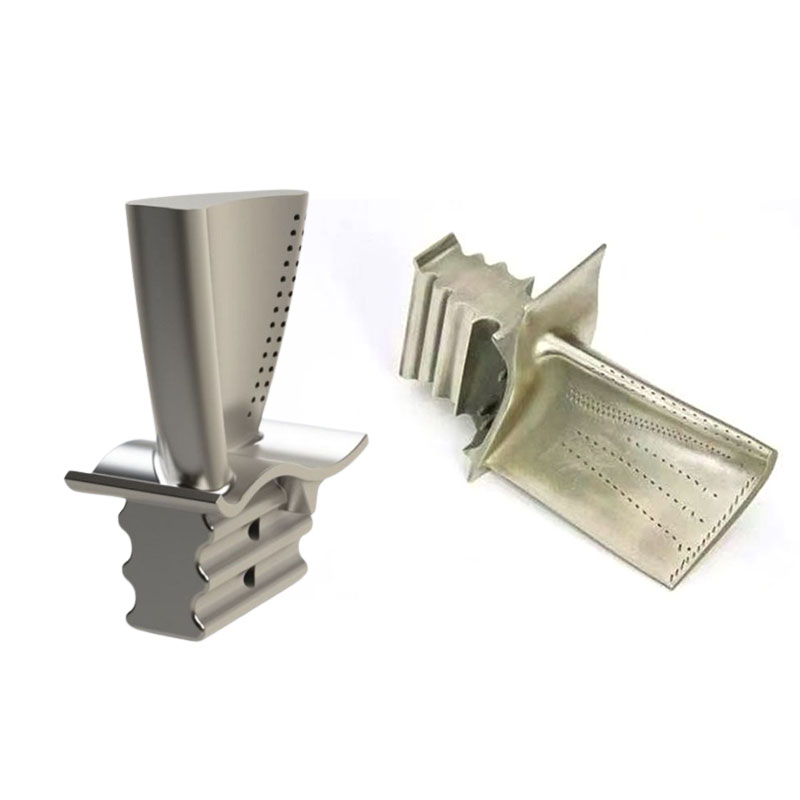
The unique attributes of turbine blade single crystals provide many exciting new design opportunities not otherwise possible with polycrystalline materials. These single crystals allow production of complex shaped blades that are essential for ensuring maximum efficiency and performance in modern jet engines by eliminating grain boundaries within the material.
Differences in turbine blade single crystals also allow for advanced coatings and surface treatments to be applied, enhancing properties of the material. These coatings not only improve wear and friction behavior, but also reduce heat losses through the blade material itself, which would benefit in a general lift of operation.
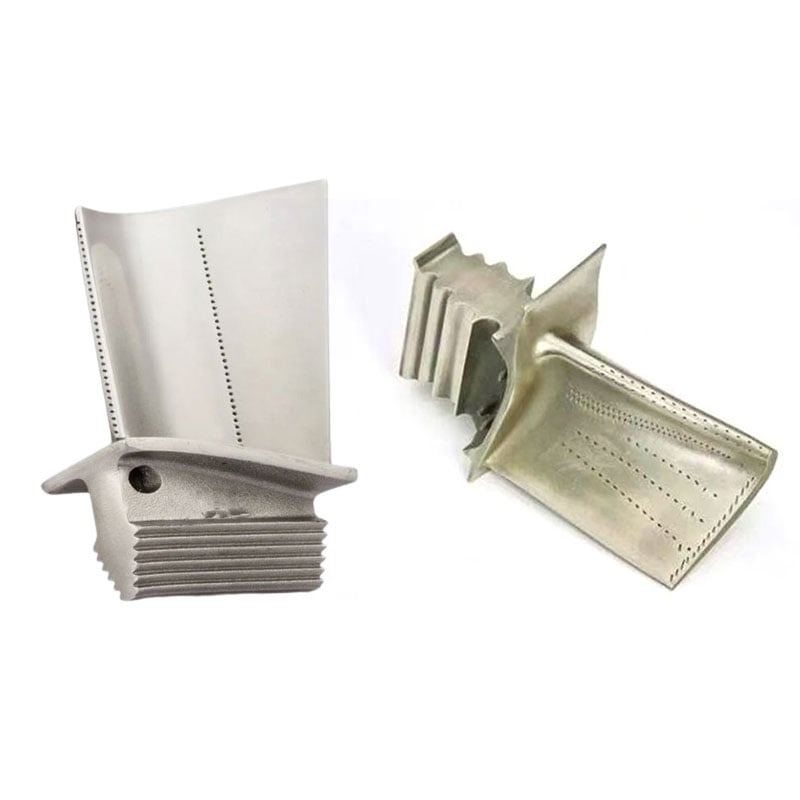
The evolution of turbine blade single crystals is a great example to show how materials science starts new technological ages. Techniques such as directional solidification and crystal growth have allowed engineers to create plastics with improved mechanical or thermal properties. The jet engine is among the prime examples of how these materials have been able to highlight improvements in performance, efficiency and safety.
With the continuing evolution of materials science, one would expect improvements from turbine blade single crystal technology down the road. New alloys and coatings are being developed that will increase heat resistance and mechanical strength, which means the jet engines can run at even higher temperatures and pressures. These developments will not only increase engine efficiency and power, but also help to cut down on fuel consumption and emissions.
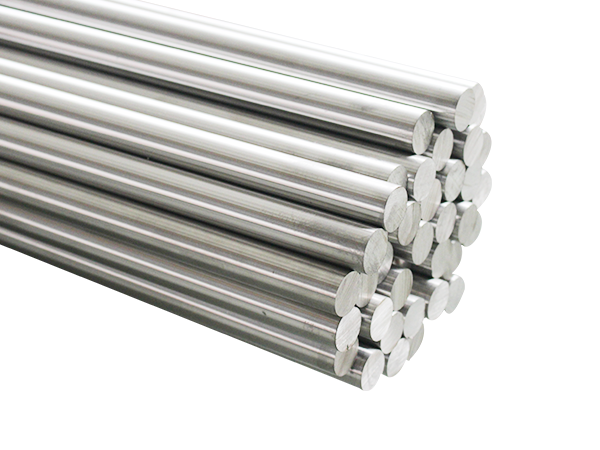
Our company offers a variety of custom-designed services and is able to manufacture turbine parts from various high-temperature alloys to meet the requirements of our customers. Our turbine blade single crystal along with our advanced process technology and our capability to meet specific requirements, such as size shape, performance, or shape can allow us to meet every need. We work closely with our customers to understand their specific needs and application situations and offer expert technical guidance and solutions. Our wide range of products processing capabilities, processing capabilities, and specific requirements to the application allow us meet the requirements of various industries and application. With our customized services, we assist our customers in optimizing their the performance of their products and reduce costs, and improve market competitiveness.
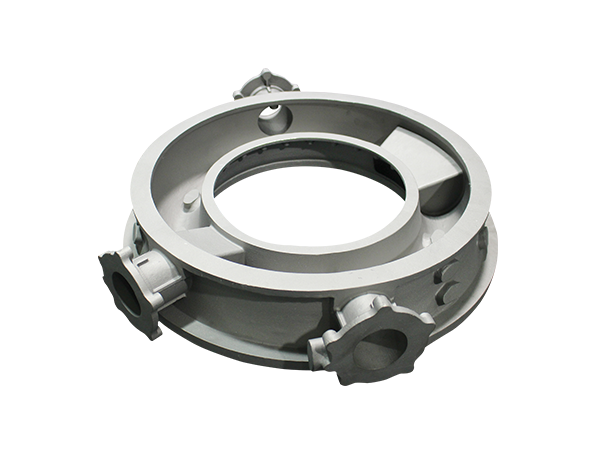
Our company can fabricate highly precise and stable turbine parts through casting forging, and CNC machining. Casting allows us to create components with complex forms, high strength and long-lasting. Forging can give parts a more durable and superior mechanical property. CNC technology for machining, on other hand, ensures high precision and consistency of every part, which reduces the chance of the chance of errors and producing substandard products. Our technical team that constantly carries the latest technological advancements and process improvement to make sure that our products are always at the top of the industry in terms of turbine blade single crystal. We're determined to meet our customers' demands for high-performance turbine components through continuous technological advancement.
Our complete customer service package includes technical assistance pre-sales advice and after-sales assistance to ensure that our customers receive the best experience possible At the time of pre-sales our team of experts will be able to understand the needs of the customer in detail and provide the most appropriate product suggestions and solutions We offer technical assistance from the selection of products through installing and commissioning This guarantees that our customers are turbine blade single crystal to use our products without any issues We have a well-developed after-sales system that allows us to respond quickly to customer concerns and issues and provide efficient and prompt solutions We aim to build long-term relationships with our clients and earn their trust and satisfaction by providing quality service
Our company adheres to strict quality control guidelines to ensure excellent performance and turbine blade single crystal of every component. Quality control is carried out throughout the entire process of production beginning with the purchase of raw materials to the test of the finished product. We also regularly conduct quality audits and adjustments to ensure constant enhancement of the product's quality. Our goal is to win the trust and cooperation of our customers by providing high-quality products and to become an industry leader.
 EN
EN
 AR
AR
 BG
BG
 HR
HR
 CS
CS
 DA
DA
 NL
NL
 FI
FI
 FR
FR
 DE
DE
 EL
EL
 HI
HI
 IT
IT
 JA
JA
 KO
KO
 NO
NO
 PL
PL
 PT
PT
 RO
RO
 RU
RU
 ES
ES
 SV
SV
 TL
TL
 IW
IW
 LV
LV
 LT
LT
 SR
SR
 SK
SK
 SL
SL
 UK
UK
 VI
VI
 ET
ET
 HU
HU
 TH
TH
 TR
TR
 AF
AF
 MS
MS
 GA
GA
 IS
IS
 LA
LA