 EN
EN
 AR
AR
 BG
BG
 HR
HR
 CS
CS
 DA
DA
 NL
NL
 FI
FI
 FR
FR
 DE
DE
 EL
EL
 HI
HI
 IT
IT
 JA
JA
 KO
KO
 NO
NO
 PL
PL
 PT
PT
 RO
RO
 RU
RU
 ES
ES
 SV
SV
 TL
TL
 IW
IW
 LV
LV
 LT
LT
 SR
SR
 SK
SK
 SL
SL
 UK
UK
 VI
VI
 ET
ET
 HU
HU
 TH
TH
 TR
TR
 AF
AF
 MS
MS
 GA
GA
 IS
IS
 LA
LA
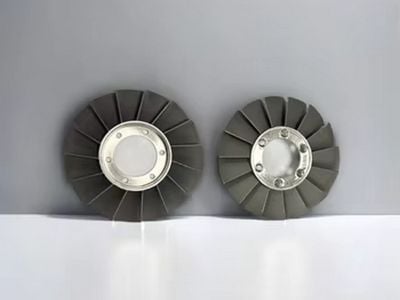
Drawing-Based Customization for Replacement Gas Turbine Blade Orders is a critical topic for businesses engaged in the energy sector, particularly those relying on gas and steam turbines. When seeking customized turbine blades, B2B buyers often have concerns regarding material selection, manufacturing precision, lead times, and compatibility with existing systems. This article will provide valuable insights into how to select the right supplier, key specifications to consider, sourcing options, common issues with gas turbine blade, and the advantages of using advanced materials in production.
How to Choose the Right Supplier for Custom Gas Turbine Blades?
Selecting the right supplier for drawing-based customization of gas turbine blades is crucial for ensuring product quality and performance. Buyers should prioritize manufacturers with proven expertise in working with high-performance materials such as Stellite, Inconel, and titanium. It's essential to evaluate the supplier's manufacturing capabilities, including their CNC machining and forging processes, as these directly impact the precision of the final product.
Additionally, potential buyers should inquire about the supplier's quality control processes. A reliable manufacturer will maintain strict quality assurance protocols, ensuring that all components adhere to required specifications and tolerances, which can be as tight as 0.004mm. Furthermore, prospective buyers should seek out suppliers who can provide detailed documentation and certifications, demonstrating compliance with industry standards.
Lastly, consider the supplier's responsiveness to customization requests and their ability to deliver on time. A supplier with a flexible approach can better accommodate unique project requirements, making them a more valuable partner in the long run.
Key Specifications for Replacement Gas Turbine Blade Orders
When placing an order for replacement gas turbine blades, it's vital to specify the following key parameters:
Material Selection: The choice of material directly affects the blade's performance in extreme environments. Superalloys like Inconel offer excellent heat resistance, while titanium provides superior strength-to-weight ratios. Make sure to select a material based on the specific operational conditions of your turbine.
Dimensional Tolerances: Precision is paramount in gas turbine blade manufacturing. Buyers should specify the acceptable tolerances for dimensions, particularly for critical areas like gas turbine blade height, width, and thickness. Tighter tolerances may be necessary for blades operating under high-stress conditions.
Surface Treatment: Depending on the application, specific surface treatments may be required to enhance the blade's durability and resistance to wear or corrosion. Discuss with your supplier the options available for surface treatment, such as coatings or hardening processes.
Performance Requirements: Clearly outline any performance criteria that the blades must meet, including temperature limits, pressure conditions, and operational lifespan. This information helps the supplier recommend the most suitable material and design features.
Testing and Certification: Request details about any testing protocols the manufacturer employs to ensure compliance with specified performance metrics. Certification from recognized industry bodies can also add a layer of trust regarding product reliability.
Where to Source Wholesale Gas Turbine Blades for Your Projects?
Wholesale sourcing of gas turbine blades can be achieved through several channels. First, industry trade shows and exhibitions often showcase manufacturers specializing in turbine components. Attending these events allows buyers to meet suppliers directly, discuss customization options, and view product samples.
Another effective avenue is leveraging online B2B marketplaces. Platforms that cater to industrial components often feature a variety of manufacturers, enabling buyers to compare prices, specifications, and customer reviews efficiently. This can aid in making informed purchasing decisions.
Lastly, existing networks and industry contacts can provide valuable referrals. Engaging with peers in the energy sector can lead to recommendations for reliable suppliers who have successfully met similar needs in the past.
Common Problems with Gas Turbine Blades and Their Solutions
Gas turbine blades are subject to numerous challenges, which can impact their performance and longevity. Some common problems include:
Material Fatigue: Over time, blades can experience fatigue due to repetitive stress and high operating temperatures. To mitigate this, consider using advanced materials with superior fatigue resistance, such as modern superalloys designed specifically for high-stress applications.
Corrosion and Erosion: Blades are often exposed to harsh operating conditions, leading to corrosion from environmental factors and erosion from particulate matter. Implementing protective coatings can significantly extend the lifespan of the cnc turbine blades and improve their performance.
Manufacturing Defects: Issues such as poor dimensional accuracy or surface finish can arise during production. To avoid this, ensure that your supplier employs robust quality control measures, including thorough inspection processes and testing of samples before mass production.
Thermal Expansion Mismatches: Differences in thermal expansion rates between blades and their mounting structures can lead to operational issues. Accurate material selection and engineering design should account for these variations to prevent mechanical failure.
Benefits of Using Advanced Materials for Gas Turbine Blade Production
Utilizing advanced materials in the production of gas turbine blades offers several distinct advantages:
Enhanced Performance: Advanced materials, like Inconel and titanium, are engineered to withstand extreme temperatures and pressures, resulting in improved efficiency and reliability in turbine operations.
Weight Reduction: Lightweight materials can lead to reduced overall weight of the turbine assembly, enhancing fuel efficiency and performance. This is particularly beneficial in applications where every kilogram matters.
Increased Durability: Advanced materials often possess superior resistance to wear, corrosion, and fatigue, which translates to longer operational lifetimes and lower maintenance costs for turbine operators.
Customization Flexibility: The ability to tailor material properties and blade designs allows manufacturers to meet specific operational requirements, providing a competitive edge in performance and efficiency.
Sustainability: Some advanced materials are designed for better recyclability and reduced environmental impact, aligning with the growing emphasis on sustainable practices in the energy sector.
Understanding the nuances of Drawing-Based Customization for Replacement Gas Turbine Blade Orders is essential for B2B buyers looking to optimize their procurement process. By focusing on supplier selection, key specifications, sourcing options, common problems, and the benefits of advanced materials, businesses can make informed decisions that enhance their operational efficiency and reliability.
Table of Contents
- How to Choose the Right Supplier for Custom Gas Turbine Blades?
- Key Specifications for Replacement Gas Turbine Blade Orders
- Where to Source Wholesale Gas Turbine Blades for Your Projects?
- Common Problems with Gas Turbine Blades and Their Solutions
- Benefits of Using Advanced Materials for Gas Turbine Blade Production