 EN
EN
 AR
AR
 BG
BG
 HR
HR
 CS
CS
 DA
DA
 NL
NL
 FI
FI
 FR
FR
 DE
DE
 EL
EL
 HI
HI
 IT
IT
 JA
JA
 KO
KO
 NO
NO
 PL
PL
 PT
PT
 RO
RO
 RU
RU
 ES
ES
 SV
SV
 TL
TL
 IW
IW
 LV
LV
 LT
LT
 SR
SR
 SK
SK
 SL
SL
 UK
UK
 VI
VI
 ET
ET
 HU
HU
 TH
TH
 TR
TR
 AF
AF
 MS
MS
 GA
GA
 IS
IS
 LA
LA

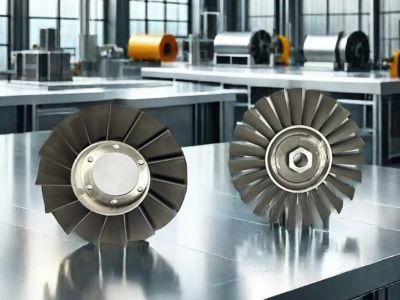
Before outsourcing gas turbine maintenance, repair, and overhaul (MRO), independent power producers must consider several critical factors to ensure they select the right partner. Understanding what independent power producers should know before outsourcing gas turbine blade MRO is essential to avoid pitfalls and maximize operational efficiency. This article will provide insights into key specifications, cost considerations, reliable supplier sourcing, material advantages, and effective comparison strategies for bulk purchasing decisions.
Key Specifications to Evaluate When Sourcing Gas Turbine Components
When sourcing gas turbine components, precise specifications are vital for ensuring compatibility and performance. Key specifications include dimensional accuracy, material properties, and operational tolerances.
Dimensional Accuracy: Components must meet exact measurements, with tolerances often as tight as 0.004mm. Deviations can lead to improper fitting, operational inefficiencies, or premature failures.
Material Properties: The choice of material, such as superalloys like Stellite or Inconel, impacts the component's ability to withstand high temperatures, corrosive environments, and mechanical stress. Buyers should inquire about the specific alloy grades used and their performance characteristics under operational conditions.
Operational Tolerances: Each application may have unique operational demands. It's crucial to confirm that the components can handle the expected load, thermal cycling, and environmental conditions.
Overall, a thorough understanding of these specifications will help buyers make informed decisions and ensure that sourced components meet operational requirements.
Cost Factors to Consider When Outsourcing Gas Turbine MRO
Cost is always a significant consideration when outsourcing gas turbine MRO services. However, several factors influence overall expenses beyond just the initial component price.
Material Costs: The price of advanced alloys, such as titanium or superalloys, can fluctuate based on market demand and availability. Buyers should factor in these variations when budgeting.
Manufacturing Complexity: More complex components that require advanced CNC machining or specialized casting processes will typically incur higher manufacturing costs. Understanding the intricacies of the manufacturing capabilities of potential suppliers can help buyers gauge expected costs accurately.
Lead Time: A shorter lead time may come at a premium. Buyers must balance the urgency of their needs with the associated costs. Delays in gas turbine mro can lead to downtime, which significantly impacts profitability.
Quality Control: Investing in quality assurance processes is essential for long-term cost savings. Components that fail prematurely can lead to costly repairs and interruptions. Buyers should inquire about the quality control measures employed by suppliers.
By considering these factors, buyers can obtain a clearer picture of the total cost of ownership when outsourcing gas turbine blade MRO.
Where to Find Reliable Suppliers for Gas Turbine MRO Services?
Finding reliable suppliers for gas turbine MRO services requires strategic research and evaluation. Here are effective methods to identify trustworthy partners:
Industry Associations and Trade Shows: Engaging with industry associations can provide insights into reputable suppliers. Trade shows also offer opportunities to meet suppliers face-to-face and assess their capabilities directly.
Referrals and Recommendations: Networking with industry peers can yield valuable recommendations. Experienced colleagues can share their insights on suppliers they trust based on previous engagements.
Supplier Certifications and Accreditations: Verify suppliers' certifications, such as ISO standards, which indicate adherence to quality management practices. This can serve as a benchmark for evaluating potential partners.
Case Studies and Testimonials: Reviewing case studies or testimonials from previous clients can provide insight into a supplier's performance history and reliability.
By leveraging these strategies, independent power producers can identify suppliers that align with their quality and operational needs.
Material Advantages of Advanced Alloys in Gas Turbine Applications
The material selection for gas turbine components significantly influences performance and reliability. Advanced alloys, such as Stellite and Inconel, offer several advantages:
High-Temperature Resistance: Superalloys are designed to withstand extreme temperatures, making them ideal for turbine applications where thermal stresses are prevalent. This property is crucial for maintaining operational efficiency and prolonging component life.
Corrosion and Oxidation Resistance: Alloys like Inconel exhibit exceptional resistance to oxidation and corrosion, which is essential in high-temperature environments where gas compositions can be aggressive.
Mechanical Strength: Advanced alloys provide superior tensile strength, ensuring that components can endure the mechanical forces present in gas turbines. This reduces the risk of failure during operation.
Customizability: Many manufacturers, such as QINGDAO OBT POWER CO., LTD., offer customization capabilities to tailor alloys to specific operational requirements, enhancing the suitability of components for unique applications.
Understanding these material advantages allows buyers to make informed decisions that enhance the performance and longevity of gas turbine components.
How to Compare Gas Turbine MRO Options for Bulk Purchasing Decisions?
When considering bulk purchasing decisions for gas turbine MRO, a systematic comparison of options is essential. Here are key considerations:
Supplier Capabilities: Evaluate the manufacturing capabilities of each supplier. This includes assessing their equipment, production capacity, and expertise in handling complex components. Suppliers like QINGDAO OBT POWER CO., LTD. offer advanced equipment such as vacuum casting furnaces and five-axis machining centers, which can enhance precision and customization.
Pricing Structures: Analyze the pricing models of different suppliers. Some may offer bulk discounts, while others might have fixed pricing regardless of order size. Understanding these structures helps in negotiating better terms.
Lead Times: Compare the lead times offered by suppliers. Timely delivery is crucial for minimizing downtime and maintaining operational efficiency.
Post-Sale Support: Consider the level of support provided after the sale, including warranty terms, maintenance guidance, and responsiveness to inquiries.
Samples and Prototypes: Before committing to bulk orders, request samples or prototypes to assess quality and fit. This step ensures that the components meet specifications and operational requirements.
By systematically comparing these factors, independent power producers can make well-informed decisions that align with their operational needs and budget constraints.
Table of Contents
- Key Specifications to Evaluate When Sourcing Gas Turbine Components
- Cost Factors to Consider When Outsourcing Gas Turbine MRO
- Where to Find Reliable Suppliers for Gas Turbine MRO Services?
- Material Advantages of Advanced Alloys in Gas Turbine Applications
- How to Compare Gas Turbine MRO Options for Bulk Purchasing Decisions?