 EN
 AR
 BG
 HR
 CS
 DA
 NL
 FI
 FR
 DE
 EL
 HI
 IT
 JA
 KO
 NO
 PL
 PT
 RO
 RU
 ES
 SV
 TL
 IW
 LV
 LT
 SR
 SK
 SL
 UK
 VI
 ET
 HU
 TH
 TR
 AF
 MS
 GA
 IS
 LA
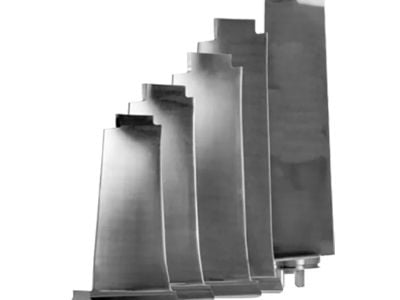
Understanding the economics of repairing versus replacing high-pressure steam turbine rotor blades is crucial for maintenance managers and purchasing agents in the manufacturing and energy sectors. This decision impacts operational efficiency, cost management, and long-term asset sustainability. We’ll delve into the factors that influence these economics, ensuring that you have a comprehensive understanding of the considerations involved in sourcing, repairing, or replacing turbine rotor blades.
Understanding Repair vs Replace Economics for Steam Turbine Rotor Blades
When evaluating repair versus replacement for high-pressure steam turbine rotor blades, several economic factors come into play. Key considerations include the cost of materials, labor, downtime, and the potential impact on operational efficiency.
Repairs may involve significant labor costs and require specialized skills, especially when working with superalloys like Stellite and Inconel. However, if rotor blades can be restored to a condition that meets operational standards, repair can be a cost-effective solution. Conversely, if the blades are significantly worn or damaged, replacement may be the prudent choice, ensuring that performance and reliability are not compromised.
To make informed decisions, buyers should conduct a cost-benefit analysis which includes not only the immediate costs but also the long-term implications for maintenance, performance, and warranty considerations. This approach helps in determining whether to repair or replace based on the specific circumstances of the turbine operation.
Sourcing Quality Rotor Blades for Your Projects
When sourcing high-pressure steam turbine rotor blades, quality is paramount. Buyers should seek manufacturers who specialize in casting, CNC machining, and forging of superalloys. The ability to control precision to within 0.004mm is essential for ensuring that rotor blades fit perfectly within their assemblies, minimizing vibration and maximizing efficiency.
It’s advisable to request detailed product specifications and certifications from suppliers to ensure compliance with industry standards. Factors such as the manufacturer’s experience in producing turbine components, their quality control processes, and their capabilities in customizing products to meet specific application needs are critical.
Additionally, understanding the manufacturer’s production capacity and lead times will help in planning maintenance schedules. Establishing a strong relationship with a reliable supplier can also facilitate quicker responses to urgent needs, whether for repairs or replacements.
What Specifications Matter When Repairing Steam Turbine Components?
Several specifications are critical when assessing the feasibility of repairing steam turbine rotor blades. These include material composition, dimensions, and surface finish.
Material Composition: The choice of materials like Stellite, Inconel, or titanium affects the rotor blade’s resistance to wear and thermal fatigue. It’s essential to match the repair materials closely to the original specifications to maintain performance and durability.
Dimensions: Precision in dimensions is crucial for ensuring that repaired blades integrate seamlessly with the turbine rotor assembly. Even small deviations can lead to operational issues, such as vibration or premature failure.
Surface Finish: The surface finish of the repaired blades affects aerodynamic efficiency and resistance to corrosion. A high-quality finish can enhance performance and extend the lifespan of the component.
Buyers should also consider the manufacturer’s ability to provide machining services that meet these specifications, ensuring that the repaired components perform as intended.
Installation Guidance for Repaired vs Replaced Turbine Rotor Blades
Proper installation is vital for both repaired and replaced turbine rotor blades. A thorough understanding of the specific installation requirements is necessary to mitigate risks associated with improper fitting. For repaired blades, prior to installation, it is crucial to perform a detailed inspection to ensure that all specifications have been met and that the repair work adheres to industry standards. Any visible defects or discrepancies should be addressed before the installation process. In the case of replacement blades, the installation should follow the manufacturer's guidelines closely. It is advisable to use specialized installation tools and techniques to ensure that the gas turbine rotor are fitted correctly. This minimizes the risk of mechanical issues during operation, which could lead to costly downtime. As part of the installation process, conducting a final alignment check can help confirm that the rotor blades are properly positioned within the turbine assembly, ensuring optimal performance.
Stellite, Inconel, and Titanium Blades
The choice of material for turbine rotor blades plays a significant role in their performance, durability, and suitability for various operating environments.
Stellite: Known for its excellent wear resistance and ability to withstand high temperatures, Stellite is often used in environments where corrosion and erosion are concerns. This makes it suitable for applications with high-temperature steam.
Inconel: This superalloy provides superior resistance to oxidation and corrosion at elevated temperatures, making it a preferred choice for steam turbine rotor components that operate in harsh conditions. Its mechanical properties ensure reliability under stress.
Titanium: While lighter than both Stellite and Inconel, titanium offers excellent strength-to-weight ratios. It is particularly advantageous in applications where weight savings are critical, although its cost can be a limiting factor.
When selecting rotor blades, it's essential to consider the specific operational conditions, including temperature fluctuations, pressure levels, and exposure to corrosive substances. Collaborating with a knowledgeable supplier can help ensure that the right material is chosen for the application, enhancing both the performance and lifespan of the turbine components.