 EN
 AR
 BG
 HR
 CS
 DA
 NL
 FI
 FR
 DE
 EL
 HI
 IT
 JA
 KO
 NO
 PL
 PT
 RO
 RU
 ES
 SV
 TL
 IW
 LV
 LT
 SR
 SK
 SL
 UK
 VI
 ET
 HU
 TH
 TR
 AF
 MS
 GA
 IS
 LA

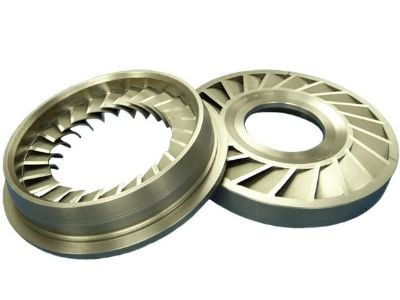
Inconel 939 nozzle guide vanes are critical components designed for heavy-duty operating cycles, particularly in high-temperature and high-pressure applications like gas and steam turbines. Understanding why these vanes are suited for such demanding environments is essential for purchasing managers and engineers who prioritize performance and longevity in turbine components. This article will delve into the key specifications, performance enhancements, cost considerations, and common issues associated with Inconel 939 nozzle turbine guide vanes, equipping you with the knowledge needed to make informed purchasing decisions.
Understanding Inconel 939 Nozzle Guide Vanes for Heavy-Duty Applications
Inconel 939 is a nickel-based superalloy known for its excellent mechanical properties and resistance to oxidation and corrosion, making it ideal for nozzle gas turbine guide vanes subjected to extreme conditions. The alloy maintains its strength and stability at high temperatures, which is crucial in applications where thermal fatigue and creep can lead to component failure.
These nozzle guide vanes play a vital role in controlling airflow and enhancing turbine efficiency. In heavy-duty applications, they are designed to withstand significant thermal loads and pressure differentials, ensuring reliable operation over extended periods. The intricate geometry of the vanes, combined with the material properties of Inconel 939, allows for improved aerodynamic performance, which translates into better fuel efficiency and reduced emissions.
Key Specifications of Inconel 939 Nozzle Guide Vanes for Buyers
When evaluating Inconel 939 nozzle guide vanes, several specifications are essential for ensuring they meet operational requirements:
Material Composition: Inconel 939 typically consists of nickel, chromium, and iron, with additional elements like molybdenum for enhanced strength. Understanding the alloy's composition helps assess its performance under specific operational conditions.
Temperature Resistance: Inconel 939 can operate effectively at temperatures up to 1,600°F (870°C), making it suitable for the demanding environments found in gas and steam turbines.
Dimensional Tolerances: Precision control during manufacturing is critical. At QINGDAO OBT POWER CO., LTD., tolerances are controlled to within 0.004mm, ensuring that the vanes fit correctly within the assembly and function as intended.
Surface Finish: The surface treatment of the nozzle guide vanes can affect both performance and durability. A smooth finish minimizes turbulence and wear, enhancing the lifespan of the components.
Customizability: Buyers should confirm the availability of custom designs to meet specific application needs, including variations in size, shape, and performance characteristics.
How Inconel 939 Enhances Performance in Extreme Operating Cycles?
The performance of Inconel 939 nozzle guide vanes in extreme operating cycles can be attributed to several factors:
High Strength-to-Weight Ratio: This characteristic is crucial for turbine applications where weight savings can lead to improved efficiency. Inconel 939 provides strength without adding unnecessary weight, allowing for more efficient turbine designs.
Oxidation and Corrosion Resistance: Inconel 939's resistance to oxidation at high temperatures ensures that the vanes maintain structural integrity over time. This property is essential in environments where exposure to combustion gases and high humidity can lead to rapid degradation of lesser materials.
Creep Resistance: The ability of Inconel 939 to resist deformation under prolonged stress at high temperatures is vital for maintaining the performance of nozzle guide vanes, ensuring consistent airflow and operational efficiency throughout their lifecycle.
Thermal Stability: The alloy’s thermal stability means that the nozzle guide vanes can operate effectively across a wide range of temperatures without significant degradation, making them ideal for applications with fluctuating thermal conditions.
Cost Factors to Consider When Purchasing Inconel 939 Components
The cost of Inconel 939 nozzle guide vanes can vary based on several factors:
Material Costs: The price of nickel and other alloying elements can fluctuate, impacting the overall cost of the components. Buyers should consider current market conditions when planning their procurement strategy.
Manufacturing Complexity: The intricacies of producing high-precision components like nozzle guide vanes can lead to higher manufacturing costs. Factors include machining time, tooling, and the complexity of the design.
Volume Discounts: Manufacturers may offer pricing incentives for larger orders. Buyers should assess their long-term needs and consider purchasing in bulk to reduce per-unit costs.
Customization Requirements: Unique specifications or designs may increase costs. Buyers should clearly communicate their needs to receive accurate quotations and understand how customizations may impact pricing.
Quality Assurance Practices: The implementation of rigorous quality control processes can influence costs. Manufacturers that invest in quality assurance may charge higher prices but provide greater assurance of product performance and reliability.
Common Issues with Nozzle Guide Vanes and Inconel 939 Solutions
Despite their superior properties, nozzle guide vanes made from Inconel 939 can encounter specific challenges:
Thermal Fatigue: Over time, repeated heating and cooling cycles can lead to thermal fatigue. It is essential for buyers to monitor the operating conditions and consider the thermal cycle characteristics when assessing the durability of the vanes.
Corrosion Under Stress: In environments where chemical exposure is a concern, even the best materials can face challenges. Regular inspections and adherence to maintenance schedules can mitigate the risk of corrosion failure.
Manufacturing Defects: Issues such as porosity or inclusions can arise during the manufacturing process, impacting the performance of the nozzle guide vanes. Buyers should request detailed quality inspection reports and consider approving prototypes to ensure that all specifications are met before mass production.
Compatibility with Turbine Designs: Each turbine design may have specific requirements for nozzle guide vanes. Buyers should provide detailed application data, including pressure and temperature profiles, to ensure that the selected components perform as expected.
By addressing these common issues proactively, buyers can enhance the reliability and performance of their Inconel 939 nozzle guide vanes, ensuring they meet the demands of heavy-duty applications.
Table of Contents
- Understanding Inconel 939 Nozzle Guide Vanes for Heavy-Duty Applications
- Key Specifications of Inconel 939 Nozzle Guide Vanes for Buyers
- How Inconel 939 Enhances Performance in Extreme Operating Cycles?
- Cost Factors to Consider When Purchasing Inconel 939 Components
- Common Issues with Nozzle Guide Vanes and Inconel 939 Solutions