 EN
 AR
 BG
 HR
 CS
 DA
 NL
 FI
 FR
 DE
 EL
 HI
 IT
 JA
 KO
 NO
 PL
 PT
 RO
 RU
 ES
 SV
 TL
 IW
 LV
 LT
 SR
 SK
 SL
 UK
 VI
 ET
 HU
 TH
 TR
 AF
 MS
 GA
 IS
 LA

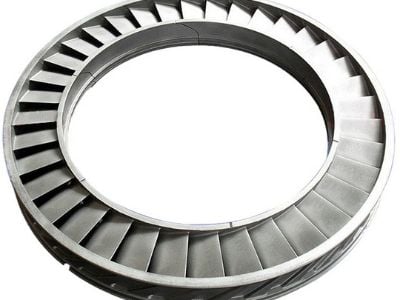
Sourcing OEM-Compatible Siemens Gas Turbine Parts from an Aftermarket Supplier can be a complex process for purchasing managers, engineers, and product managers. Your primary concerns may include ensuring compatibility, evaluating quality, and understanding cost factors. This article will provide practical insights into sourcing these gas turbine components effectively, highlighting key specifications, quality control measures, and applications in various industrial settings.
Key Specifications to Evaluate Siemens Gas Turbine Parts for Wholesale
When sourcing OEM-compatible Siemens gas turbine parts, several key specifications must be evaluated to ensure optimal performance and longevity. Firstly, material selection is crucial; parts made from superalloys like Inconel or Stellite are preferred for their high-temperature resistance and corrosion properties. The dimensions of each component must also be scrutinized, as tolerances can significantly impact assembly and performance. For instance, a tolerance of 0.004mm is often necessary to ensure a proper fit in gas turbine blades assemblies.
Moreover, surface treatments such as coatings for wear resistance can enhance durability, especially in extreme operational environments. Additionally, understanding the thermal and mechanical load conditions the parts will face enables buyers to select components that meet specific performance criteria. This knowledge is essential for ensuring that the parts can withstand operational stresses without premature failure.
How to Compare Aftermarket Siemens Gas Turbine Parts Effectively?
Comparing aftermarket Siemens gas turbine parts involves a thorough evaluation of potential suppliers and their offerings. Start by assessing the manufacturing capabilities of each supplier. For example, a supplier equipped with advanced technology, such as five-axis machining centers, can offer higher precision and customization options. Manufacturers like QINGDAO OBT POWER CO., LTD. utilize such equipment to ensure that gas turbine engine parts meet stringent specifications.
Next, consider the quality assurance processes in place. A reliable supplier should provide documentation on their quality control measures, including testing protocols and certifications. Buyers should request information on the supplier's track record with similar products and their experience in the industry. Asking for references or case studies can provide insight into the supplier’s reliability and product performance.
Furthermore, evaluate the lead times and minimum order quantities (MOQ). Some suppliers may offer lower prices but have longer lead times, which can affect your production schedule. Balancing cost with delivery timelines is vital for maintaining operational efficiency.
Understanding the Cost Factors of OEM-Compatible Gas Turbine Parts
Cost factors for OEM-compatible Siemens gas turbine parts can vary widely based on several considerations. Material costs are a significant component, as high-performance superalloys tend to be more expensive than standard materials. The complexity of the parts, including design intricacies and required tolerances, also plays a crucial role in determining cost. More complex components often require advanced machining processes, which can increase labor and operational costs.
Additionally, consider the level of customization required. Custom parts tailored to specific applications may incur higher costs due to the unique tooling or processes involved. It’s also important to factor in shipping and handling fees, especially if sourcing from international suppliers, which can add to the total cost.
Lastly, volume pricing should be taken into account. Bulk orders often come with discounts, but it’s essential to ensure that purchasing in larger quantities aligns with your operational needs and inventory management practices.
Evaluating Quality Control in Siemens Gas Turbine Parts Manufacturing
Quality control is paramount when sourcing Siemens gas turbine parts, as defects can lead to catastrophic failures in high-stakes environments like power generation. A comprehensive quality control process should include multiple stages of inspection, from incoming materials to final product testing.
One effective approach is first article inspection (FAI), which verifies that the initial batch of produced parts meets all specifications before mass production. Buyers should inquire whether the supplier utilizes advanced inspection technology, such as coordinate measuring machines (CMM), to ensure precision in critical dimensions.
Additionally, understanding the supplier's certifications such as ISO 9001 for quality management systems can provide reassurance about their commitment to quality. It’s advisable to request documentation demonstrating the supplier's adherence to these standards and their approach to continuous improvement.
Applications of Siemens Gas Turbine Parts in Various Industrial Settings
Siemens gas turbine parts are integral in various industrial applications, particularly in energy generation and sectors. In power plants, these components are crucial for maintaining efficiency and reliability in electricity production. Parts sourced from aftermarket suppliers can often provide comparable performance to OEM parts at a reduced cost, making them an attractive option for operators looking to optimize budgets without sacrificing quality.
In the sector, precision and reliability are critical. Components must withstand extreme conditions, including high temperatures and pressures. Sourcing aftermarket Siemens gas turbine parts that meet or exceed OEM specifications allows manufacturers to maintain competitive operational standards while ensuring safety and compliance with regulatory requirements.
Furthermore, these components are also utilized in marine applications, where robust performance against corrosive saltwater environments is essential. Understanding the specific application requirements can guide buyers in selecting the right materials and designs, enhancing both performance and lifespan.
By understanding these critical aspects of sourcing OEM-compatible Siemens gas turbine parts from aftermarket suppliers, purchasing managers and engineers can make informed decisions that align with their operational goals and budget considerations.
Table of Contents
- Key Specifications to Evaluate Siemens Gas Turbine Parts for Wholesale
- How to Compare Aftermarket Siemens Gas Turbine Parts Effectively?
- Understanding the Cost Factors of OEM-Compatible Gas Turbine Parts
- Evaluating Quality Control in Siemens Gas Turbine Parts Manufacturing
- Applications of Siemens Gas Turbine Parts in Various Industrial Settings