 EN
EN
 AR
AR
 BG
BG
 HR
HR
 CS
CS
 DA
DA
 NL
NL
 FI
FI
 FR
FR
 DE
DE
 EL
EL
 HI
HI
 IT
IT
 JA
JA
 KO
KO
 NO
NO
 PL
PL
 PT
PT
 RO
RO
 RU
RU
 ES
ES
 SV
SV
 TL
TL
 IW
IW
 LV
LV
 LT
LT
 SR
SR
 SK
SK
 SL
SL
 UK
UK
 VI
VI
 ET
ET
 HU
HU
 TH
TH
 TR
TR
 AF
AF
 MS
MS
 GA
GA
 IS
IS
 LA
LA

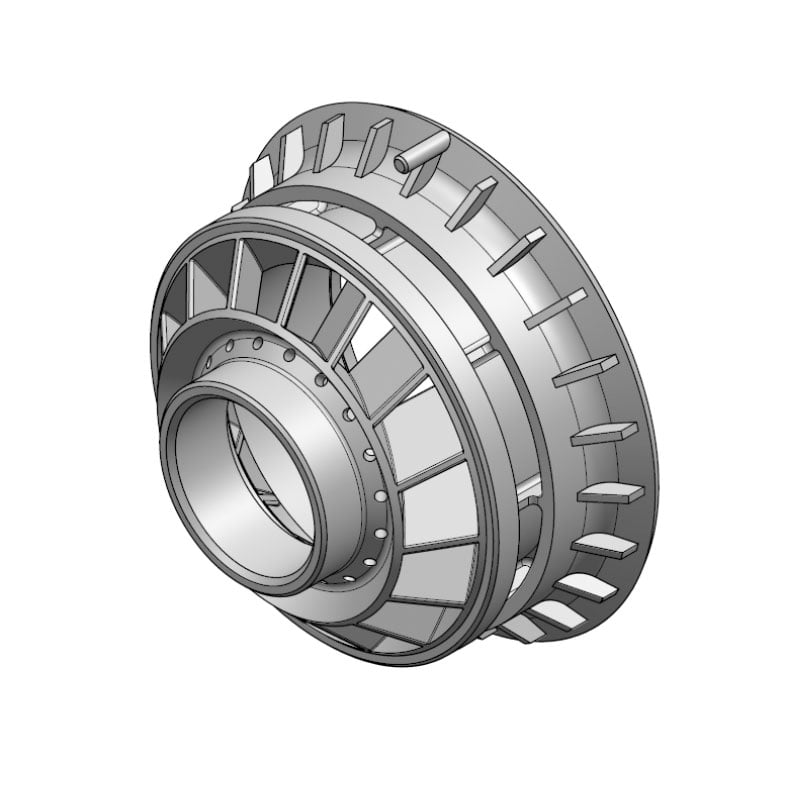
Gas turbines are important machines that help generate electricity and power . They have many parts that work together to produce energy. Over time, these parts can wear out or break because they face a lot of heat and pressure. To help them last longer and work better, companies like OBT POWER create advanced coatings. These coatings are special layers added to the turbine parts. They help protect the parts from damage and improve how well the turbines run. This means the turbines can generate more energy and need fewer repairs.
How Advanced Coatings Improve Gas Turbine Efficiency and Longevity
Advanced coatings play a key role in making gas turbines more efficient and longer-lasting. When we add these coatings to the turbine components, they become better at handling high temperatures. For example, some coatings can withstand temperatures that are much higher than what the turbine typically faces. This means that the turbines can run hotter, which helps them produce more energy. Another benefit of these coatings is that they can reduce friction. When parts rub against each other, they can wear down quickly. However, with a smooth coating, the parts can move easily without much wear. This helps the turbine work better and last longer.
Coatings can also protect against rust and corrosion. Turbines often operate in environments where moisture and chemicals are present. These conditions can damage the turbine parts over time. But when we apply gas turbine blade coating, we create a barrier that keeps these harmful substances away. This ensures that the parts remain strong and do not break down as quickly. Additionally, coatings can help with cleaning. Some coatings are designed to keep dirt and grime from sticking to the surfaces. This means less time spent cleaning and more time for the turbines to work efficiently. By using coatings from OBT POWER, companies can see better performance, lower maintenance costs, and a longer life for their gas turbines.
Where to Source High-Quality Advanced Coatings for Gas Turbines
Finding high-quality advanced coatings is very important for anyone working with gas turbines. One of the best places to start is with trusted suppliers like OBT POWER. Our company is known for making top-notch coatings that can withstand tough conditions. When looking for coatings, it’s essential to choose a supplier who understands the needs of the gas turbine industry. This means they should offer coatings that are designed specifically for the high temperatures and pressures that turbines experience.
It’s also important to consider the testing and approval of the coatings. Good coatings should have gone through rigorous testing to ensure they perform well in real-world situations. Look for certifications that show the coatings meet industry standards. This can give you peace of mind that you are getting a reliable product. Talking to other companies that use gas turbines can also be beneficial. They can share their experiences and recommend suppliers they trust. This helps you find the best coatings quickly.
Additionally, consider the support that suppliers provide. A good supplier, like OBT POWER, should not only sell coatings but also offer technical assistance. This means they can help you decide which coating is best for your specific turbine parts and how to apply them. It’s also good to know if they can provide after-sales support. This can be very helpful if you encounter any issues later on. By sourcing high-quality coatings and working with a reliable company, you can improve the lifespan and efficiency of your gas turbine components.
Common Challenges with Gas Turbine Protective Coatings
Gas turbines are machines that help produce energy, and they have many important parts that need to work well for a long time. One way to help these parts last longer is by using special coatings. However, there are some common problems with these coatings that can make them less effective. One issue is that the coatings can get damaged by heat and pressure during operation. Gas turbines work at very high temperatures, which can make some coatings wear out quickly. Another problem is that dirt and dust can build up on the coatings, which can cause them to not work as well. Sometimes, the coatings do not stick well to the parts, leading to peeling or flaking. This can happen if the surface of the part is not cleaned properly before applying the coating. Moisture is another issue; if there is moisture on the surface, it can prevent the coating from sticking. These problems can lead to shorter life for the gas turbine parts, which can be costly and cause downtime. That’s why it is important to understand these issues and take steps to avoid them. At OBT POWER, we focus on developing gas turbine coatings that can handle the tough conditions that gas turbines face. We work hard to make sure our coatings are strong, stick well, and can stand up to high heat and pressure, so that gas turbines can run smoothly for a longer time.
Best Practices for Applying Advanced Coatings to Gas Turbine Components
To get the best results when applying advanced coatings to gas turbine components, there are some best practices to follow. First, it is very important to clean the surface of the parts before applying any coating. This means removing dirt, grease, or any old coatings that might be on the surface. A clean surface helps the new coating stick better. After cleaning, the next step is to prepare the surface. This can be done by roughening it up a bit, which gives the coating something to grip onto. Once the surface is ready, the coating can be applied. It is important to apply the coating evenly to avoid any weak spots. Different coatings may have different application methods, such as spraying or dipping, so it is important to follow the instructions for the specific coating used. After applying the coating, it should be cured properly. Curing means letting the coating set and dry according to the manufacturer’s guidelines. This can involve heating or waiting for a specific amount of time. Proper curing helps the coating form a strong bond with the surface. Finally, it is essential to inspect the coated parts carefully. Checking for any defects or areas where the coating may not have adhered properly can help ensure that the parts will perform well. At OBT POWER, we emphasize these best practices to ensure that our advanced coatings are applied correctly, allowing gas turbine components to last longer and perform better.
Growing Demand for Advanced High-Temperature Coatings in Gas Turbines
The demand for advanced coatings in gas turbines is growing for several reasons. First, the need for clean and efficient energy is increasing around the world. Gas turbines are a key part of generating electricity, and using better coatings can help them run more efficiently. When turbines run efficiently, they use less fuel and produce less pollution, which is good for the environment. Second, as technology improves, gas turbines are being designed to operate at even higher temperatures and pressures. This means that the coatings used on these turbines must be able to withstand these tougher conditions. Advanced high temperature coatings for gas turbine blades are being developed to meet these demands, making them more durable and effective. Third, many industries are looking for ways to save money and reduce maintenance costs. Advanced coatings can help extend the life of gas turbine components, which can save companies money over time. By investing in better coatings, companies can reduce the need for repairs and replacements, leading to lower operational costs. Finally, there is a growing interest in renewable energy sources, such as wind and solar power. Gas turbines are often used as backup for these sources, so improving their performance is important. At OBT POWER, we are committed to staying at the forefront of these trends, creating advanced coatings that meet the needs of the energy industry and help gas turbines work better for longer.
Table of Contents
- How Advanced Coatings Improve Gas Turbine Efficiency and Longevity
- Where to Source High-Quality Advanced Coatings for Gas Turbines
- Common Challenges with Gas Turbine Protective Coatings
- Best Practices for Applying Advanced Coatings to Gas Turbine Components
- Growing Demand for Advanced High-Temperature Coatings in Gas Turbines