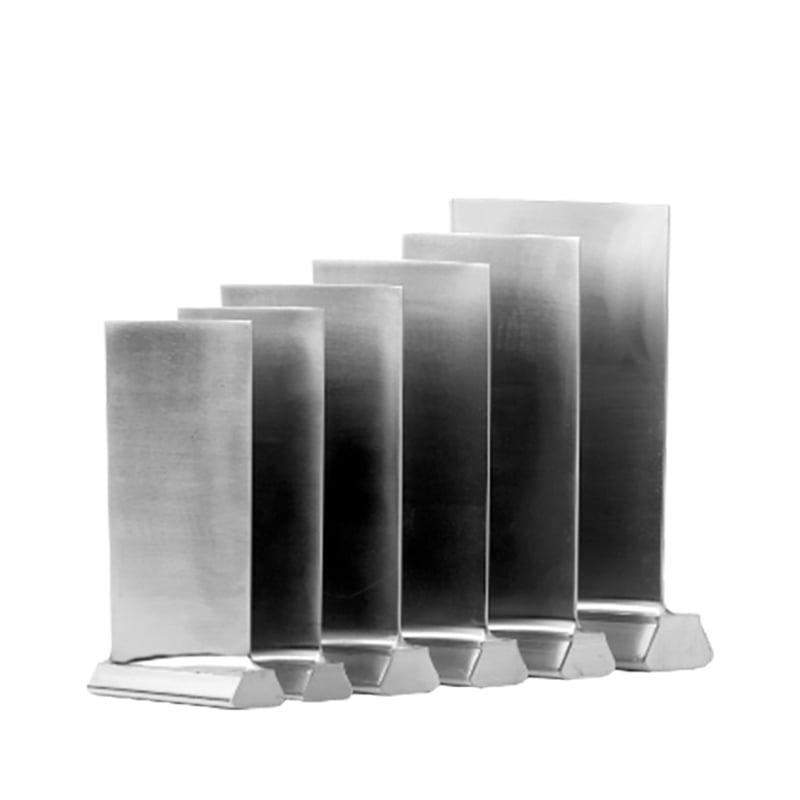
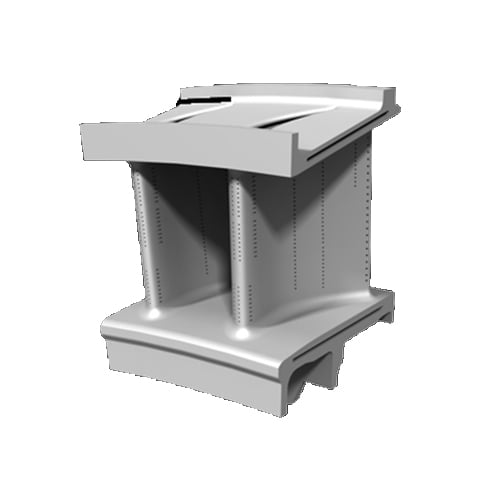
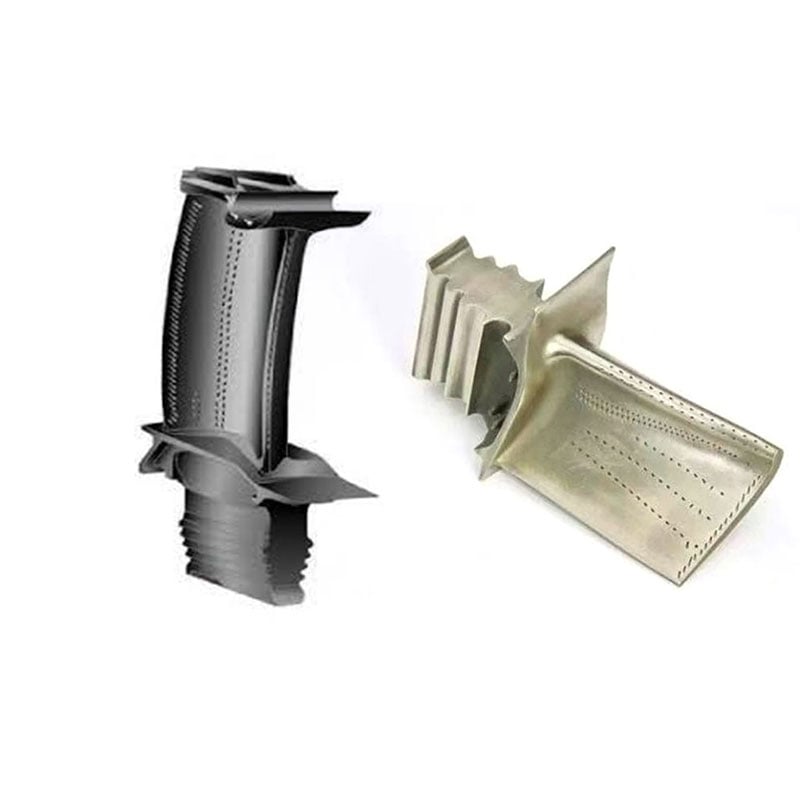
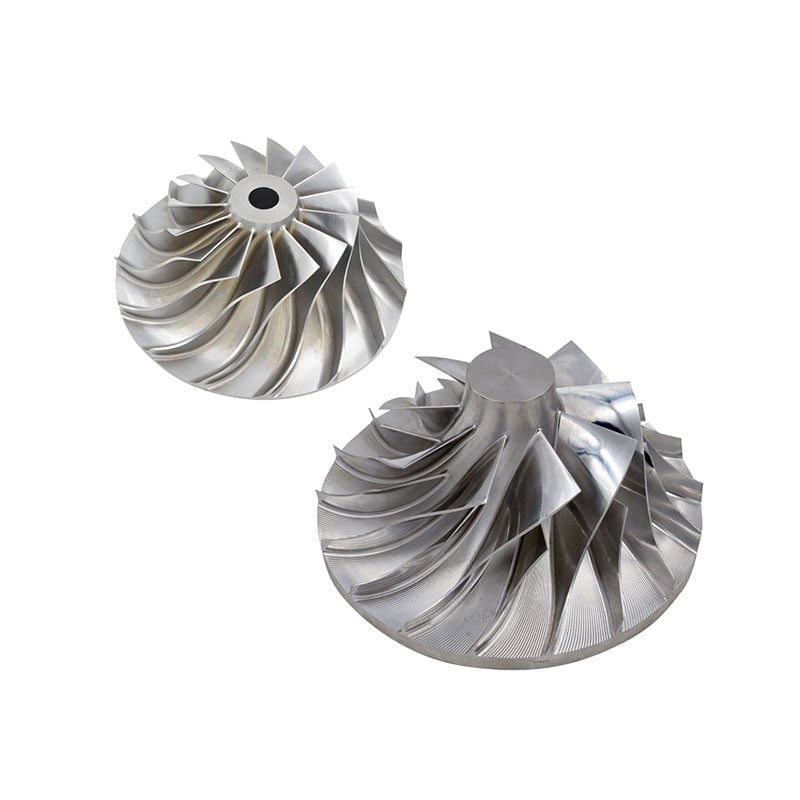
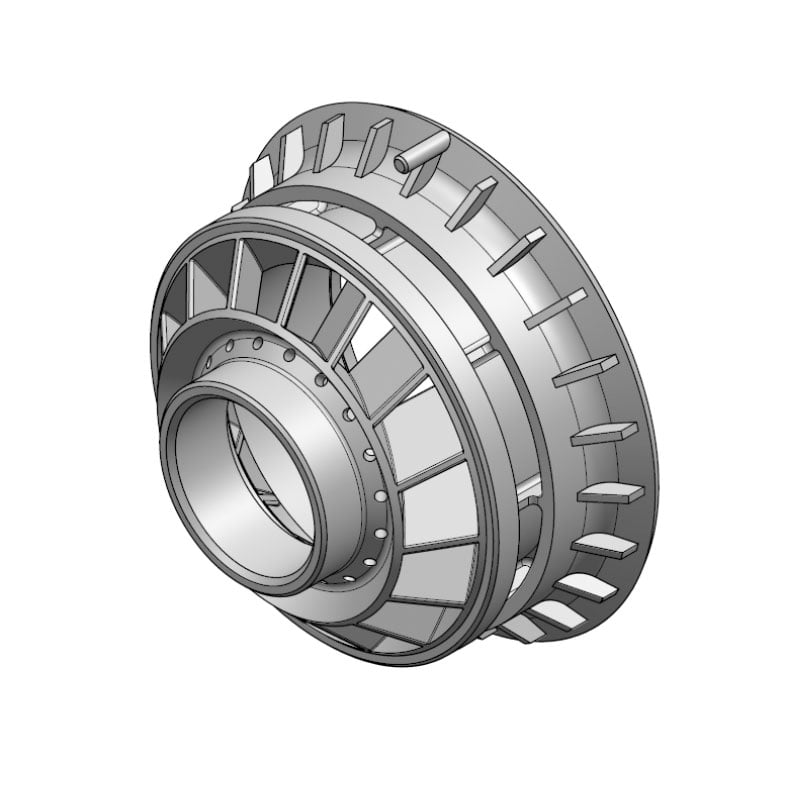
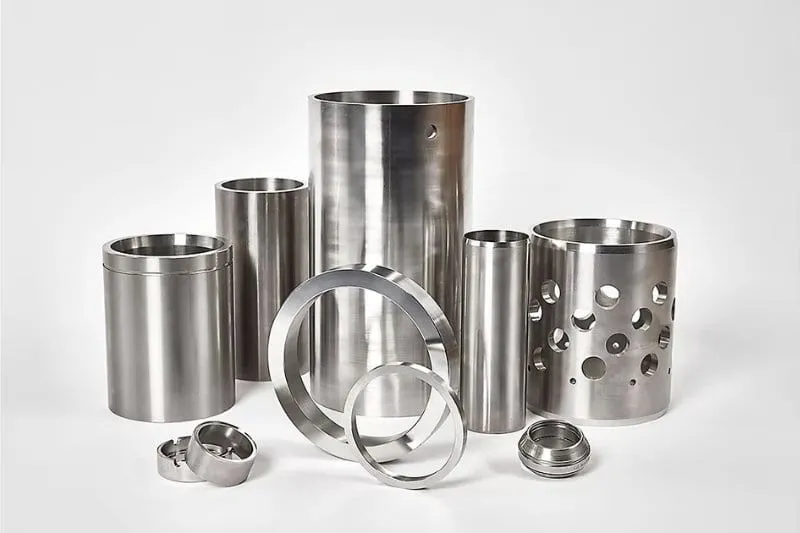
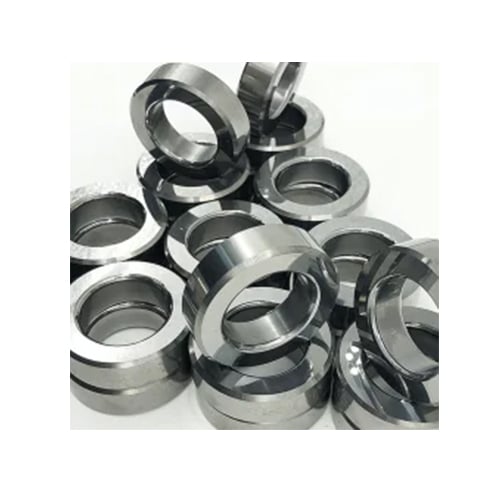
Reaktivní motor, tohle je typ speciálního motoru, který pomáhá letadlu létat vysoko nad zemí. Jsou neobyčejně důležité, protože pohánějí letadlo vzduchem podobně jako vítr tlačí plachetnice přes vodu. Takže reaktivní motory se skládají ze spousty věcí, které mezi sebou interagují různými a úžasnými způsoby, ale mezi nimi tvoří klíčovou součást čepele. Jsou to vlastně malé křídla, která proudící vzduch řídí skrz motor. Během let jsou výzkumníci a inženýři snažili tyto čepele udělat lehčími, aby turbína mohla vyprodukovat více elektřiny za nižší ceny. To pak dává letadlům potenciál létat rychleji, zatímco spotřebovávají méně paliva bez zvýšení nákladů na hromadné nákupy. Co víme, je evoluce materiálů čepelí reaktivního motoru.
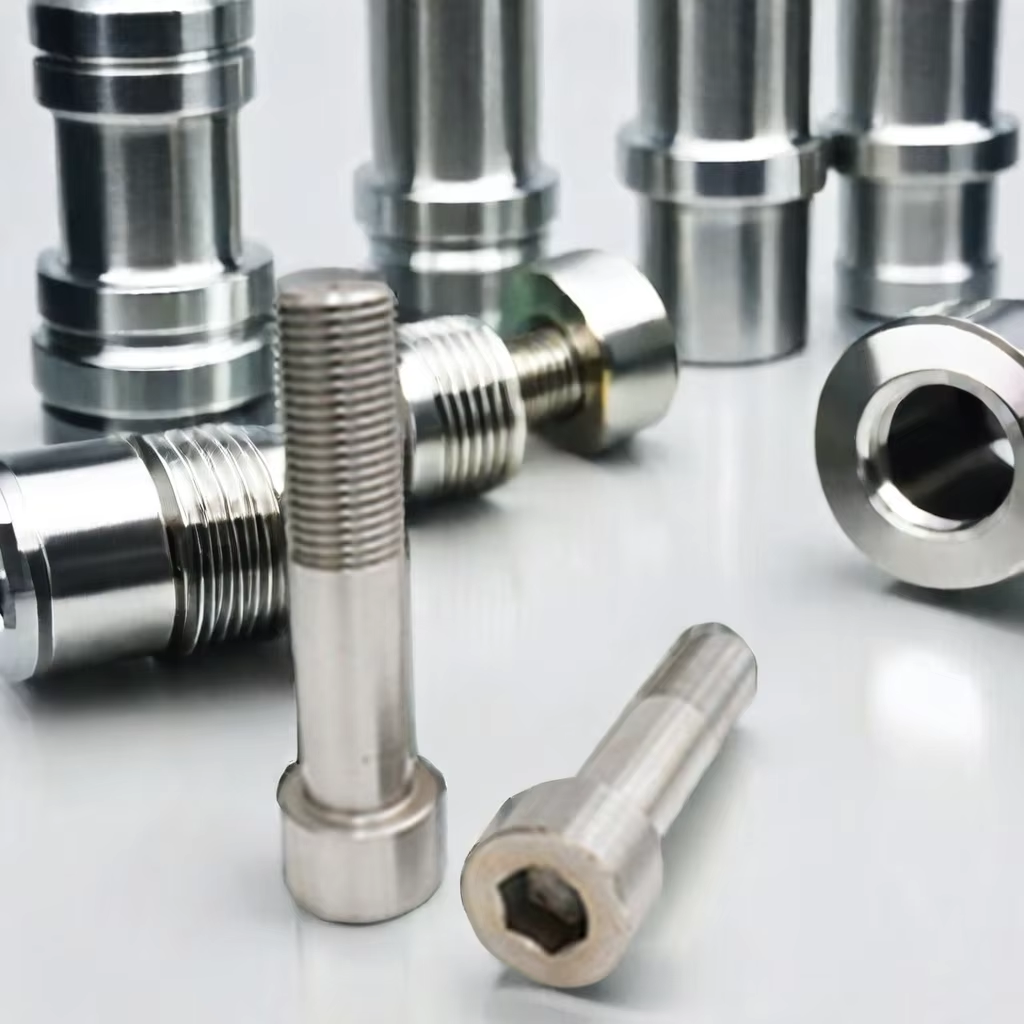
Protože kov je jedním z nejtvrzejších a nejsilnějších materiálů na Zemi, není překvapením, že chtějí použít zymbiotické materiály podobné těmto pro lopatky reaktivního motoru. Jako společnost pro kovovou výrobu je naším úkolem poskytnout lidem tyto přizpůsobené montážní držáky vyrobené z vhodného typu plechu, aluminia nebo oceli. Titán a určité niklové slitiny jsou ještě silnější, což vysvětluje, proč se používají v lopatkách již dlouhou dobu, ale zůstávají významně drahějšími. Ale bohužel, ocel je levnější a proto méně silná než titán nebo niklové slitiny. Když jde o položky jako lopatky reaktivního motoru, a každá volba materiálu musí být provedena tak, aby tyto lopatky spojovaly sílu s dostupností. Navíc musí vědci zajistit, aby tyto materiály odolávaly nadměrně vysokým teplotám uvnitř reaktivního motoru bez zkreslení nebo tavení.
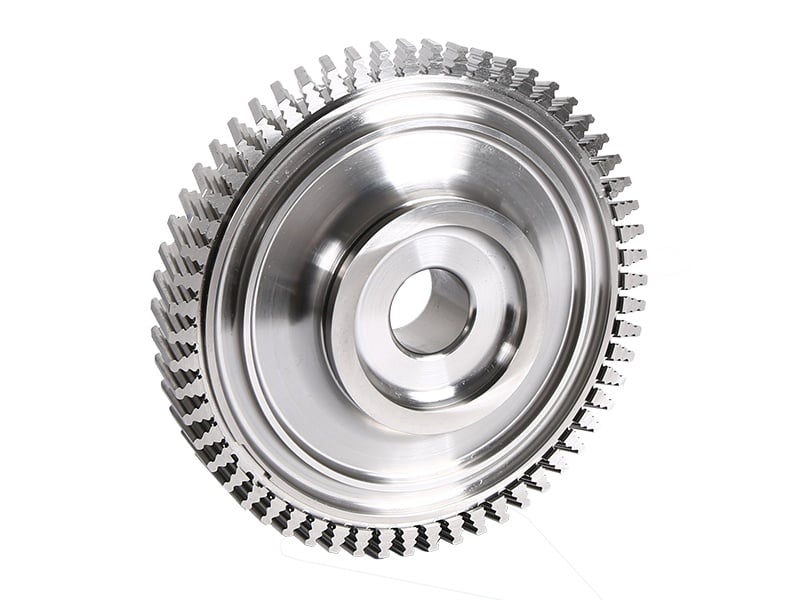
Keramika je směsí hlíny, písku a dalších materiálů. - Speciální materiály Jsou velmi pevné, ale především k vysokým teplotám určitě nejsou obvykle používány keramiky pro vrtule reaktivních motorů, které se točí velmi rychle a dostávají se do styku s velkým množstvím tepla během letu. Keramická matice kompozit (CMC) Keramika: % tvořící b,vc Nejvíce pozoruhodná inženýrská molekula Druh faience je keramická matice kompozitů. Jedná se o jeden z několika keramických maticových kompozitů, kde kombinace keramiky s dalšími materiály (v tomto případě uhlíková vlákna) poskytuje nadřazené poměry síly ke hmotnosti ve srovnání s "jen" monolitickými inženýrskými keramikami. I když CMC ještě nedokázaly svou schopnost plně ověřit a stále jsou testovány v laboratořích, mohou změnit, jak budou navrhovány a vyrobeny budoucí reaktivní motory.
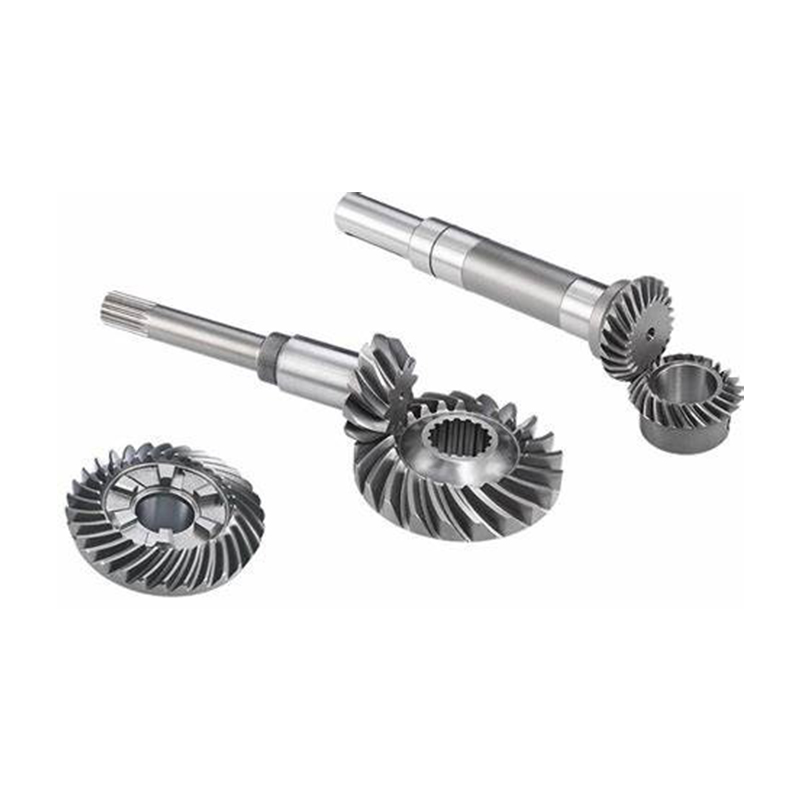
Jedna z podivných forem hmoty, ve které se mnoho a další malé molekuly vážou k sobě, se nazývají polymery. Jsou ultralehké, pružné. Tato vlastnost je také dělá skvělým materiálem pro listy letadlových turbín; tam, kde je prostor omezený a součástky musí být vyrobeny velmi přesně, aby dobře fungovaly. Inženýři nyní navrhují listy letadlových turbín pomocí nových polymerů, jako jsou epoxidy nebo polyimidy. Tyto nové materiály nejsou jen lehké a silné, ale dokáží také vydržet neobvykle vysoké teploty. Použitím těchto nových polymerů, pokud se dostanou do letadlových turbín, by se mohla opravdu zvýšit výkonnost letounu, aby byl rychlejší a spotřebivější.
Vědci a inženýři neustále přepracovávají letadlové motory, zlepšují jejich účinnost. Chtějí to dělat rychleji, lépe a udržet více z nás v bezpečí. Jedna z překvapivějších myšlenek pro materiály čepelí letadlových motorů je 3D tisk. Použití tohoto modulu podporovaného umělou inteligencí dává inženýrům možnost tisknout komplexní geometrie a návrhy, které nejsou dosažitelné nebo jsou extrémně obtížné pomocí tradičních výrobních procesů. Poté se ponoříte do oblastí, kde mohou být použity chytré materiály, jako jsou slitiny s pamětí tvaru. Umění exotiky, tyto materiály se mohou skládat nebo měkčit, když přijdu do styku s teplem a elektřinou. Tento významný krok může vést ke zlepšeným a novým specifikacím v návrhu letadlových motorů, nakonec vyžadujícím méně objem materiálu ve srovnání s současnými standardy.
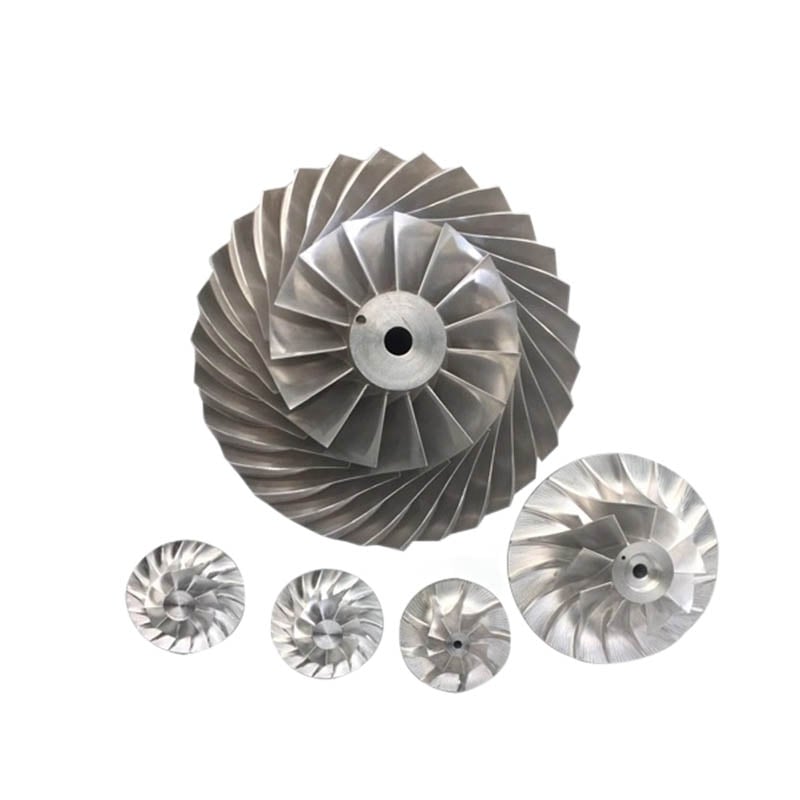
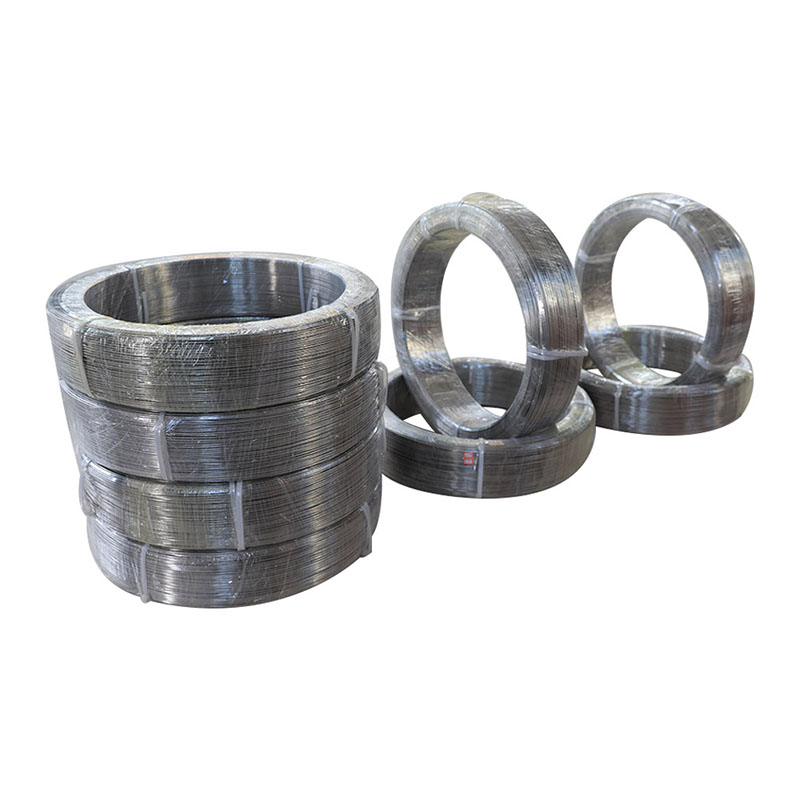
Naše společnost poskytuje materiál pro lopatky reaktivních motorů a dokáže vyrábět turbínové součásti z mnoha různých vysokoteplotných slitin podle požadavků zákazníků. Bez ohledu na velikost, tvar nebo požadovanou výkonnost jsme schopni tyto požadavky splnit pomocí našich flexibilních produkčních procesů a pokročilých technologií. Spolupracujeme s našimi zákazníky blízko, abychom porozuměli jejich potřebám a aplikacím, a následně jim poskytli profesionální radu a doporučení. Máme široké spektrum zpracovávacích technologií a materiálů, které vyhovují specifickým požadavkům různých odvětví a aplikací. Pomáháme našim klientům zvýšit jejich konkurenceschopnost na trhu nabídkou přizpůsobených služeb, které zlepšují výkon a snižují náklady.
Naše společnost dodržuje přísné normy pro materiály používané při výrobě lopatek proudových motorů, aby byl zajištěn vynikající výkon a spolehlivost každé součásti. Kontrola kvality probíhá po celou dobu výrobního procesu – od nákupu surovin až po zkoušky hotového výrobku. Abychom zajistili neustálé zlepšování kvality našich výrobků, pravidelně provádíme audit a optimalizaci procesů. Snažíme se získat důvěru našich klientů a jejich dlouhodobé partnerství tím, že jim dodáváme výrobky vysočí kvality.
Nabízíme komplexní zákaznický servis, který zahrnuje poradenství před prodejem, technickou podporu i servis po prodeji, a to za účelem zajištění nejlepšího zákaznického zážitku. V oblasti materiálů pro lopatky proudových motorů odborní zaměstnanci týmu podrobně pochopí potřeby zákazníka a poskytnou nejvhodnější doporučení týkající se produktů a řešení. Technickou podporu poskytujeme již od výběru produktů až po jejich instalaci a uvedení do provozu. Tím zaručujeme, že naši klienti budou moci naše produkty používat bez jakýchkoli potíží. Máme ustavený proces servisu po prodeji, který nám umožňuje rychle reagovat na dotazy a problémy zákazníků a nabízet účinná a okamžitá řešení. Snažíme se navázat dlouhodobé vztahy se svými zákazníky a získat jejich důvěru a spokojenost prostřednictvím poskytování služeb vysoce kvalitního standardu.
Naše společnost je schopna vyrábět vysoce přesné a stabilní turbínové komponenty pomocí lití, kování a CNC obrábění. Proces lití nám umožňuje vyrábět lopatky proudových motorů z materiálů s komplexními tvary a vysokou odolností, zatímco kování poskytuje součástem lepší mechanické vlastnosti a delší životnost. Naopak nejmodernější CNC technologie zajišťuje nejvyšší přesnost a správnost každé součásti, čímž se snižuje riziko výrobních chyb a vzniku podprůměrných výrobků. Máme zkušený technický tým, který neustále provádí technologická inovace a zlepšování výrobních procesů, aby byly naše výrobky vždy na špičce průmyslu z hlediska technologie. Naším cílem je splnit požadavky našich zákazníků na vysokovýkonné komponenty neustálým rozvíjením technologií.
 EN
EN
 AR
AR
 BG
BG
 HR
HR
 CS
CS
 DA
DA
 NL
NL
 FI
FI
 FR
FR
 DE
DE
 EL
EL
 HI
HI
 IT
IT
 JA
JA
 KO
KO
 NO
NO
 PL
PL
 PT
PT
 RO
RO
 RU
RU
 ES
ES
 SV
SV
 TL
TL
 IW
IW
 LV
LV
 LT
LT
 SR
SR
 SK
SK
 SL
SL
 UK
UK
 VI
VI
 ET
ET
 HU
HU
 TH
TH
 TR
TR
 AF
AF
 MS
MS
 GA
GA
 IS
IS
 LA
LA