 EN
EN
 AR
AR
 BG
BG
 HR
HR
 CS
CS
 DA
DA
 NL
NL
 FI
FI
 FR
FR
 DE
DE
 EL
EL
 HI
HI
 IT
IT
 JA
JA
 KO
KO
 NO
NO
 PL
PL
 PT
PT
 RO
RO
 RU
RU
 ES
ES
 SV
SV
 TL
TL
 IW
IW
 LV
LV
 LT
LT
 SR
SR
 SK
SK
 SL
SL
 UK
UK
 VI
VI
 ET
ET
 HU
HU
 TH
TH
 TR
TR
 AF
AF
 MS
MS
 GA
GA
 IS
IS
 LA
LA

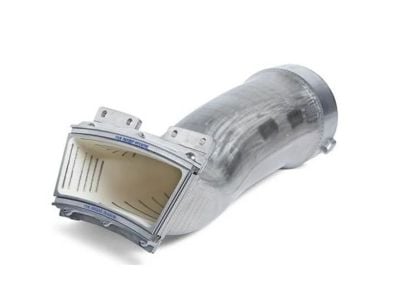
Thermal barrier coatings (TBCs) are advanced materials applied to hot-section components like turbine blades and engine parts to enhance their service life in extreme operating conditions. For B2B buyers, understanding how thermal barrier coatings extend hot-section part service life is crucial, as these coatings significantly impact performance, reliability, and maintenance costs. This article will delve into the specific benefits of TBCs, key specifications for selection, comparative solutions for extreme environments, installation guidance, and common challenges faced with hot-section parts.
How Thermal Barrier Coatings Enhance Service Life for Turbine Parts?
Thermal barrier coatings provide a protective layer that insulates hot-section components from extreme temperatures and oxidative environments. By reducing the thermal conductivity of the substrate, TBCs help maintain optimal operating temperatures and prevent thermal fatigue, oxidation, and corrosion. This is particularly important in gas and steam turbines, where temperatures can exceed 1,600 degrees Celsius. The effectiveness of TBCs can lead to extended service intervals, reducing the frequency of maintenance and replacement.
When properly applied, these coatings can double or even triple the lifespan of turbine components, translating to significant cost savings for operators. By investing in high-quality thermal thermal barrier coatings on turbine blades, manufacturers like QINGDAO OBT POWER CO., LTD. can ensure that their turbine parts maintain performance under rigorous conditions.
Key Specifications for Selecting Thermal Barrier Coatings in Manufacturing
When selecting thermal barrier coatings, several key specifications must be considered:
Material Composition: Common materials include zirconia-based ceramics, often stabilized with yttria. The choice of material affects thermal insulation properties, thermal expansion compatibility with substrates, and mechanical strength.
Coating Thickness: The thickness of the TBC can significantly influence its performance. A thicker coating generally provides better thermal insulation but can also introduce stress during thermal cycling. Buyers should evaluate the optimal thickness based on application requirements and manufacturer recommendations.
Bond Coat: The bond coat serves as an intermediary layer between the substrate and the TBC, enhancing adhesion and corrosion resistance. Understanding the composition and application method of the bond coat is critical for ensuring long-term performance.
Porosity: The porosity level of TBCs affects their thermal performance. Lower porosity is preferable, as it enhances thermal insulation and reduces the chance of spallation during operation.
Surface Roughness: The surface finish of the TBC impacts its performance, particularly in terms of adhesion and wear resistance. A smoother finish can reduce friction and wear in moving parts, while a rougher surface may enhance mechanical bonding.
Buyers should work closely with manufacturers to confirm that these specifications align with their operational conditions and performance expectations.
Comparing Thermal Barrier Coating Solutions for Extreme Environments
In extreme environments, not all thermal barrier coatings will perform equally. Key factors to consider when comparing TBC solutions include:
Temperature Resistance: Different coatings have varying temperature limits. Selecting a TBC with the right temperature resistance for the application is crucial to prevent premature failure.
Environmental Resistance: Consideration of the specific environmental challenges such as humidity, oxidation, and abrasive particles can help in selecting the most suitable TBC. Some coatings are designed to withstand high levels of corrosive gases, while others focus on thermal shock resistance.
Application Method: Various application techniques such as plasma spraying, electron beam physical vapor deposition (EB-PVD), or thermal spraying each have unique advantages and limitations. The chosen method should align with the desired coating characteristics and production capabilities.
Cost vs. Performance: While high-performance coatings may come at a premium, the long-term benefits such as reduced downtime and improved efficiency often justify the investment. Buyers should evaluate the total cost of ownership rather than just the upfront price.
Assessing these factors will help buyers make informed decisions that align with their operational goals and budget constraints.
Installation Guidance for Thermal Barrier Coatings on Engine Components
Proper installation of thermal barrier coatings is critical to their performance. Here are essential steps for ensuring successful application:
Surface Preparation: Thorough cleaning and surface preparation are vital for optimal adhesion. This may involve grit blasting to create a roughened surface that enhances mechanical bonding.
Coating Application: Depending on the selected method, careful control of parameters such as temperature, pressure, and spray distance is necessary to achieve the desired coating properties. For example, plasma spraying requires precise adjustments to maintain the integrity of the coating.
Post-Application Treatments: After the thermal barrier coating on turbine blades is applied, post-treatment processes such as heat treatment or machining may be necessary to enhance adhesion and achieve the desired finish.
Quality Control: Implementing quality control measures during installation can help identify defects early. Non-destructive testing methods, such as ultrasonic or X-ray inspections, can reveal weaknesses that need addressing before the component goes into service.
Buyers should collaborate with manufacturers experienced in TBC application to ensure that all installation practices meet industry standards and specifications.
Common Problems with Hot-Section Parts and Thermal Barrier Solutions
Hot-section components, such as turbine blades and combustor liners, often face specific challenges that can be mitigated with thermal barrier coatings:
Thermal Fatigue: Repeated thermal cycling can lead to cracking and failure. TBCs help alleviate this issue by reducing the thermal gradient experienced by the substrate.
Oxidation and Corrosion: Exposure to high-temperature gases can cause oxidative degradation. A well-chosen TBC can form a protective barrier that minimizes oxidation rates.
Spallation: This is the detachment of the coating from the substrate often caused by thermal stress or improper application. Ensuring correct surface preparation and coating application techniques is essential to prevent spallation.
Erosion: In environments with high-speed gas flow, erosion can wear down turbine components. A robust TBC can absorb some of this impact, extending the life of the underlying substrate.
By addressing these common issues through the use of thermal thermal barrier coating for turbine blades manufacturers can enhance the reliability and service life of critical components, ultimately leading to reduced operational costs and improved performance.
Table of Contents
- How Thermal Barrier Coatings Enhance Service Life for Turbine Parts?
- Key Specifications for Selecting Thermal Barrier Coatings in Manufacturing
- Comparing Thermal Barrier Coating Solutions for Extreme Environments
- Installation Guidance for Thermal Barrier Coatings on Engine Components
- Common Problems with Hot-Section Parts and Thermal Barrier Solutions