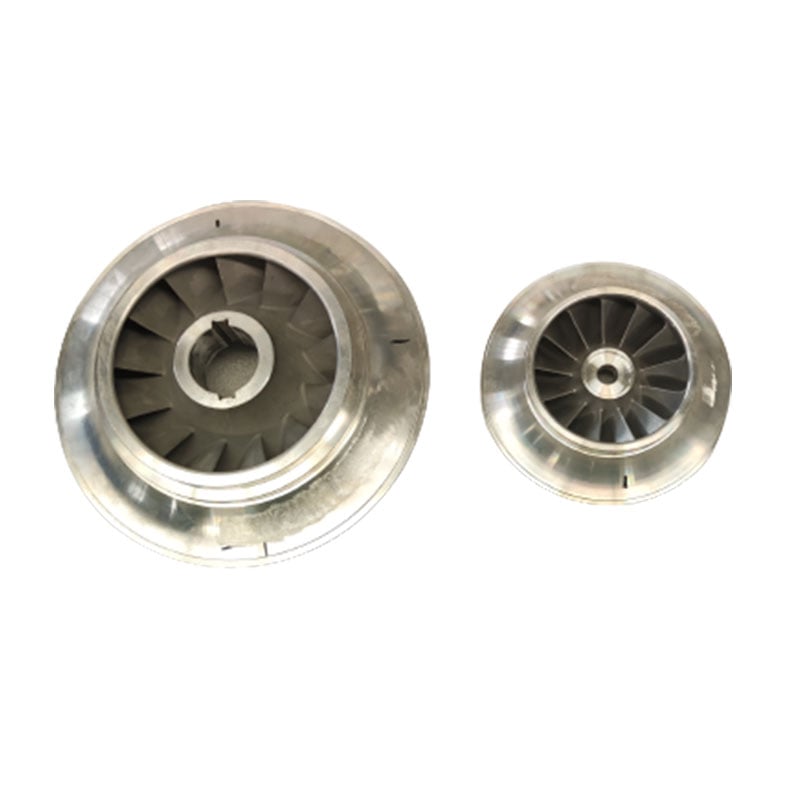
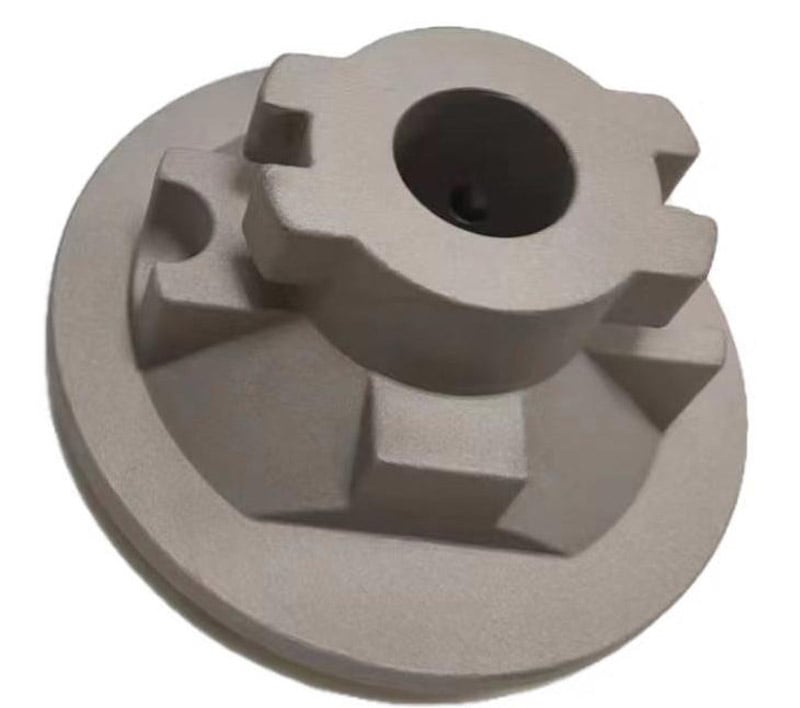
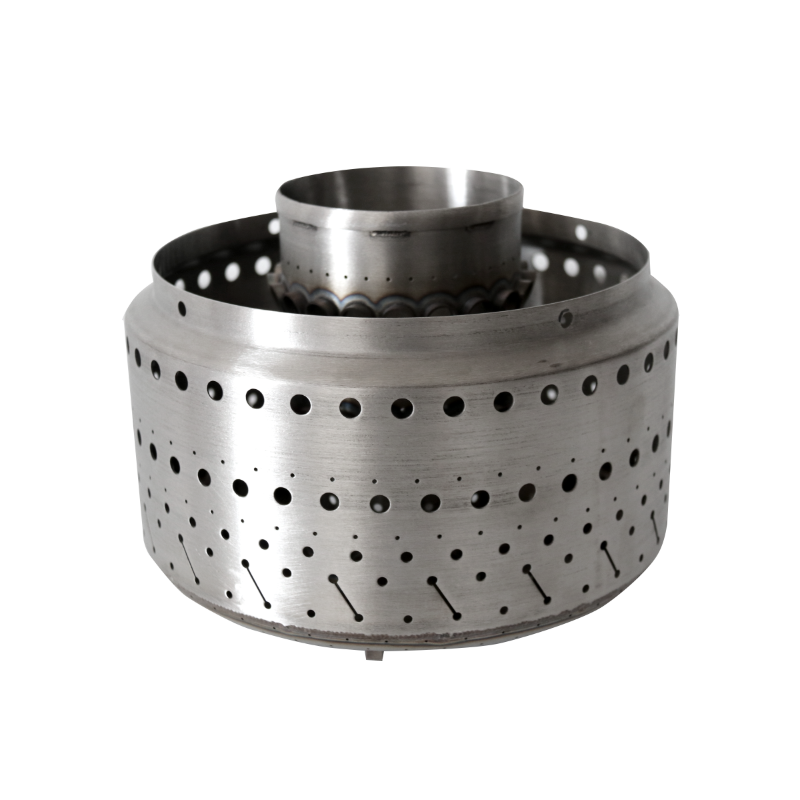
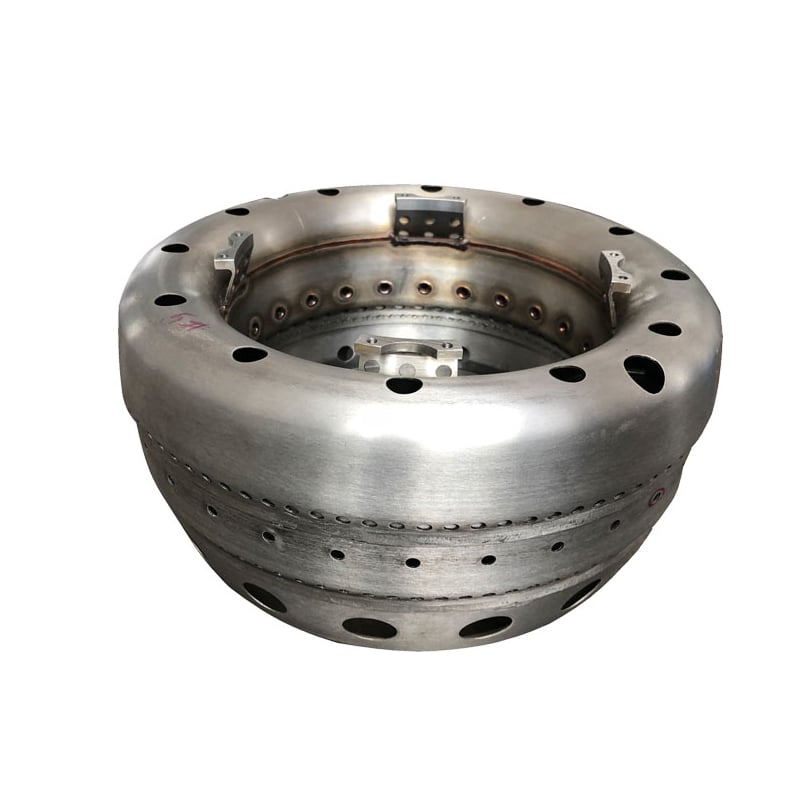
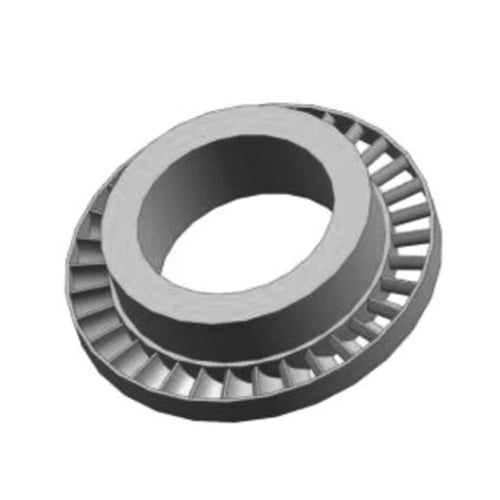
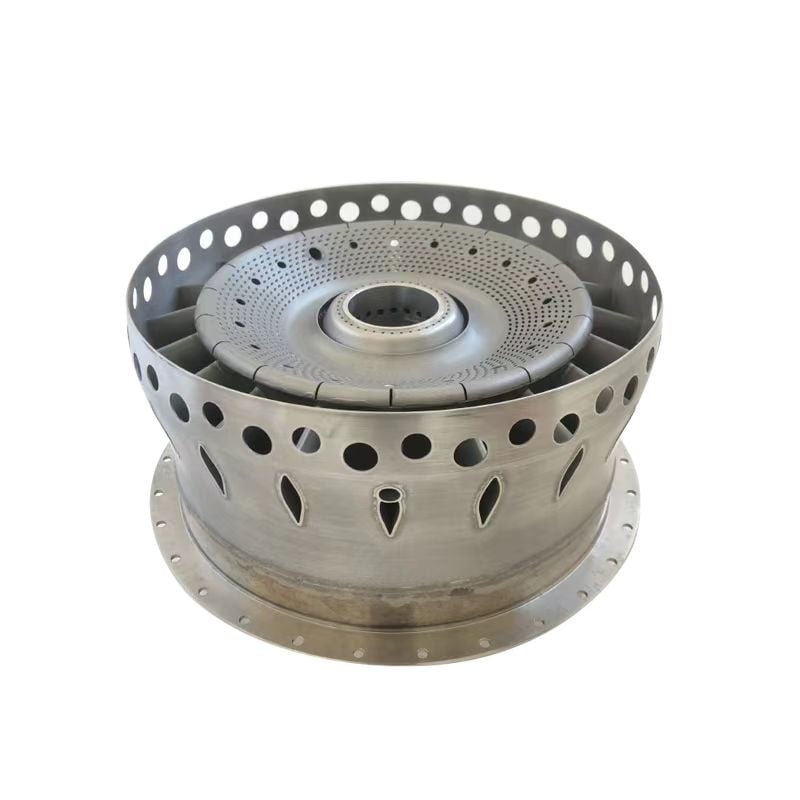
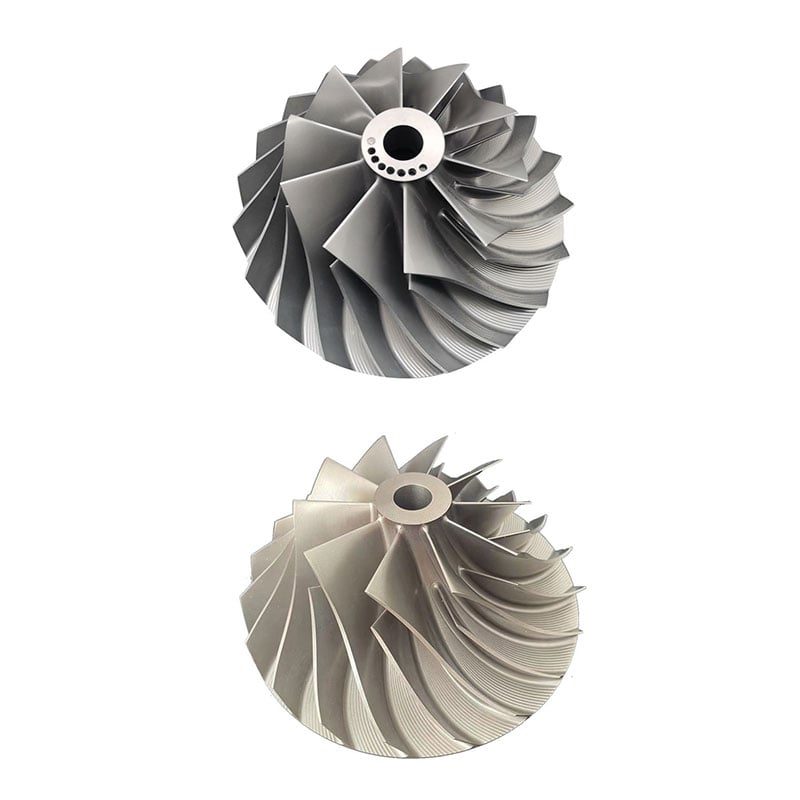
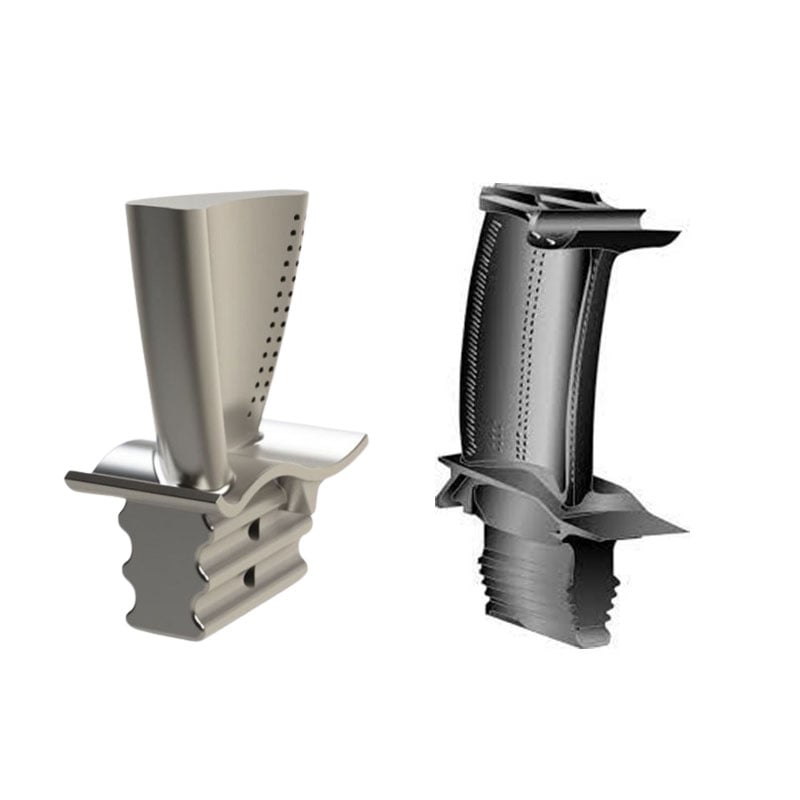
A second-stage turbine blade for a specific type of turbine engine is, in essence, an essential or critical part. Its function is to convert the heat energy created from burning fuel into kinetic energy, which drives your engine. This blade has seen numerous advances in design through the years thanks to new technologies and better materials which make it more efficient, rugged, and overall top-performance oriented.
The major progress in the design of 2nd stage turbine blade is usage of advanced cooling methodologies. This can cause the blade to overheat in combination with heat generated from combustion at very high temperatures and pressurized air passing over it which could potentially damage or even melt! To tackle this problem, the designers have used multiple cooling techniques by introducing internal cooled channels and film-cooling/ transpiration- cooling. These methods combined lead to heat being relieved, while also keeping the blade at acceptable temperatures.
A further key development is the use of CFD, or computational fluid dynamics to create optimized aerodynamics for blade. Designers can adjust the shape of the blade and improve its surface finish using CFD simulations to examine airflow across it, identify stress high areas in wind components. This advancement allowed for smaller and quieter blades of today as opposed to older designs.
Now the second stage turbine blade is a very complex part which has very important role in the turbine engine. Since the blade is at an angle to this flow, and of course must itself fit inside a cylinder (of larger diameter), it causes the airspeed on one side to increase travel around its surface, thus imparting force in other direction propelling turbine wheel. The rotational movement drives the rotor of a generator electricity.
The blade is built to endure high temperatures and pressures, as well as dynamic stresses due to the flow of air over the propeller disk section-or fan-which also features dozens or even hundreds of blades (two in these photos). Furthermore, the blade is also usually made from nickel-based superalloys which has high strength in resistant to deform and break under a state of extreme temperature.
Performance and lifespan are both heavily influenced by the choice of material for this part in particular, > Materials science has improved considerably over the years, leading to new alloys and composites with higher strength, thermal resistance etc., which may be advantageous for a turbine engine.
Nickel based super alloys are the most widely used materials for second stage turbine blades. These metals include chromium, cobalt and tungsten to ensure the necessary mechanical strength as well as high-temperature resistance & corrosion-resistant properties. Recent advances have made it feasible to produce superalloys that can be used at even higher temperatures and pressures, thus providing designers with better trade-offs between engine performance expectations.
Ceramic matrix composites (CMCs) are another material that shows promise for second stage turbine blades. CMCs are lighter and can perform at higher temperatures than nickel based superalloys as well They are also resistant to oxidation and have good mechanical properties. Nevertheless, CMCs present problems because they are more expensive and difficult to manufacture than nickel-based superalloys; this has prevented their widespread use.
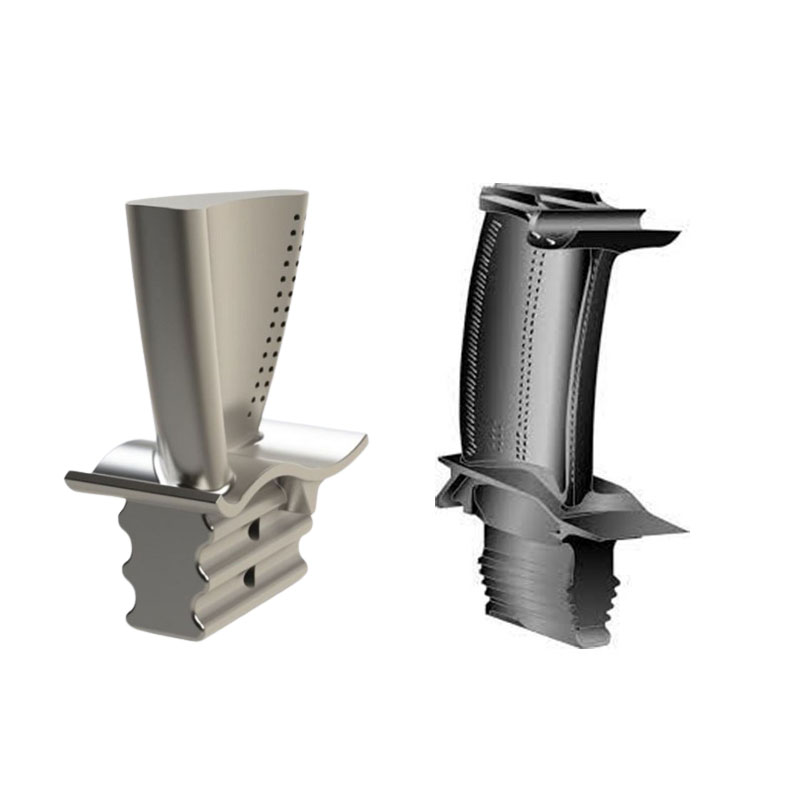
A primary goal for turbine manufacturers is to continuously improve the efficiency of their engines. The improvement in the design of these second stage turbine blades is one common sense approach. Many design improvements and material developments have aided in increasing the objective.
The aero design is their mass production done by advanced CFD (Computational Fluid Dynamics) simulations, as noted earlier. By doing so, the performance can be improved by minimizing energy loss due to vortices and other flows disturbances in order to maximize efficiency of blade.
Additive Manufacturing is another option for increased efficiency. Additive manufacturing technologies such as 3D printing emancipate manufacturers to develop complex geometries that can not be machined by traditional ways. This allows for the creation of blades with more sophisticated cooling channels and other efficiency-enhancing attributes.
Second Stage Turbine Blades - Keeping The Power Moving in Renewable Energy Applications
Second stage turbine blades are also expected to change, as the world moves towards more wind and solar power - a different type of renewable energy. The use of turbines to produce power will always be important, but not in the manner that turbine engines are used today as combustion turbine plants.
For example, second stage turbine blades are one of the most important components used in wind turbines to convert mechanical energy from rotating blade into electrical energy. These blades will eventually be designed even better as wind turbine technology progresses. Unlocking cool materials alongside aerodynamics will inspire the elite designers to form longer-lasting, less expensive blades which could lead to cheaper wind energy.
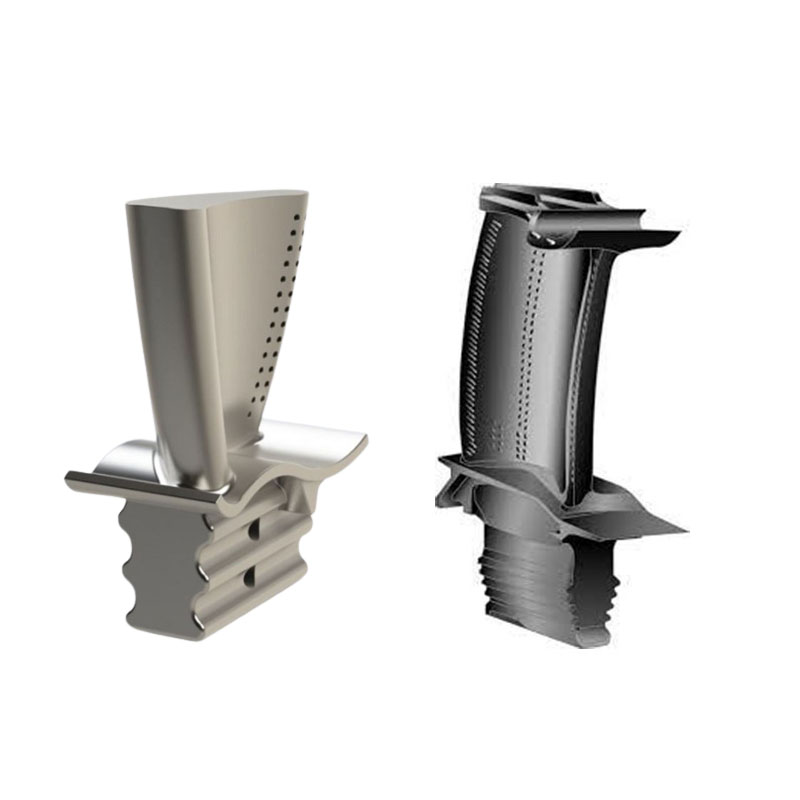
The second stage turbine blade is a key part of any gas-turbine engine, and the design and materials in these blades has evolved dramatically over time. Blades are more efficient, tougher and can withstand higher temperatures because of advances in cooling technology, aerodynamics and material science. As renewable energy sources are growing more and more common, the use of second stage turbine blades will become increasingly important for windmills as well for other renewable energy installations.
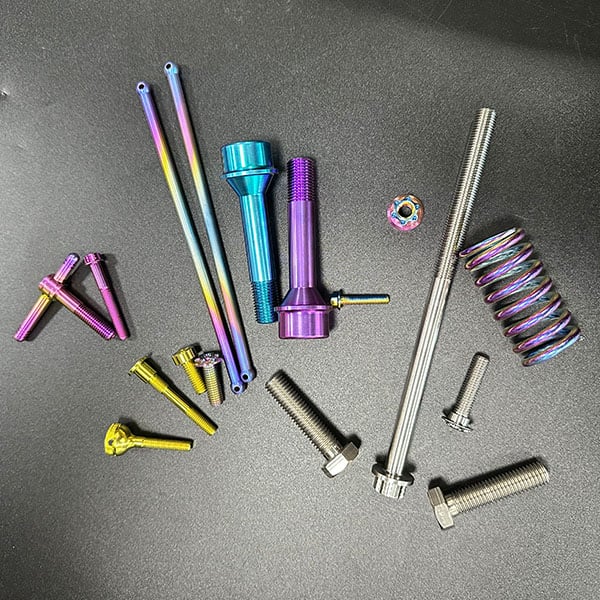
Our company offers customized services and is able to fabricate turbine components from many different high temperature alloys based on customer specifications. Our flexible production flow along with our advanced process technology and our capability to meet the second stage turbine blade, such as size and shape, as well as performance can allow us to meet any requirement. We work closely with clients to comprehend their needs and the potential scenarios for their applications, and then give them professional guidance and solutions. Our wide range of products processing capabilities, processing capabilities, and specific requirements for applications allow us to fulfill the particular requirements of various industries and application. With our customized services, we help our customers optimize efficiency and costs of their products, and improve market competitiveness.
We are able to create turbine components with high accuracy and consistency using CNC casting, machining and forging processes. Casting allows us create parts with the second stage turbine blade, strong and durability. Forging offers parts more durable and superior mechanical property. CNC machining, on the contrary is extremely precise and consistency for each part. This eliminates mistakes and poor quality products. Our experienced technical team is continuously researching technological advances and process optimizations in order to keep our products at the leading edge of industry technology. We're committed to meeting the demands of our customers for high-performance turbine components by the continuous advancement of technology.
We offer a comprehensive customer service that includes pre-sales consultation as well as technical support and after-sales assistance so that our customers have the most pleasant experience In the pre-sales stage our experienced team will understand the customer's needs in detail and provide the most appropriate suggestions for products and solutions For technical support we offer full guidance from product selection to installation and commissioning to ensure that our customers use our products with ease We have developed an after-sales program that enables us to quickly respond to customer concerns and issues and to provide effective and timely solutions We are determined to develop long-term relationships with our clients and the second stage turbine blade their trust and satisfaction through offering high-quality services
We follow the second stage turbine blade for quality control to ensure the performance and reliability of every component. The entire process of production is subject to quality control, from the raw material purchase until the final testing of the product. We also regularly conduct quality audits and improvements to ensure continuous improvement of product quality. We are determined to gain the trust of our clients and to maintain their long-term relationship by offering high-quality products.
 EN
EN
 AR
AR
 BG
BG
 HR
HR
 CS
CS
 DA
DA
 NL
NL
 FI
FI
 FR
FR
 DE
DE
 EL
EL
 HI
HI
 IT
IT
 JA
JA
 KO
KO
 NO
NO
 PL
PL
 PT
PT
 RO
RO
 RU
RU
 ES
ES
 SV
SV
 TL
TL
 IW
IW
 LV
LV
 LT
LT
 SR
SR
 SK
SK
 SL
SL
 UK
UK
 VI
VI
 ET
ET
 HU
HU
 TH
TH
 TR
TR
 AF
AF
 MS
MS
 GA
GA
 IS
IS
 LA
LA